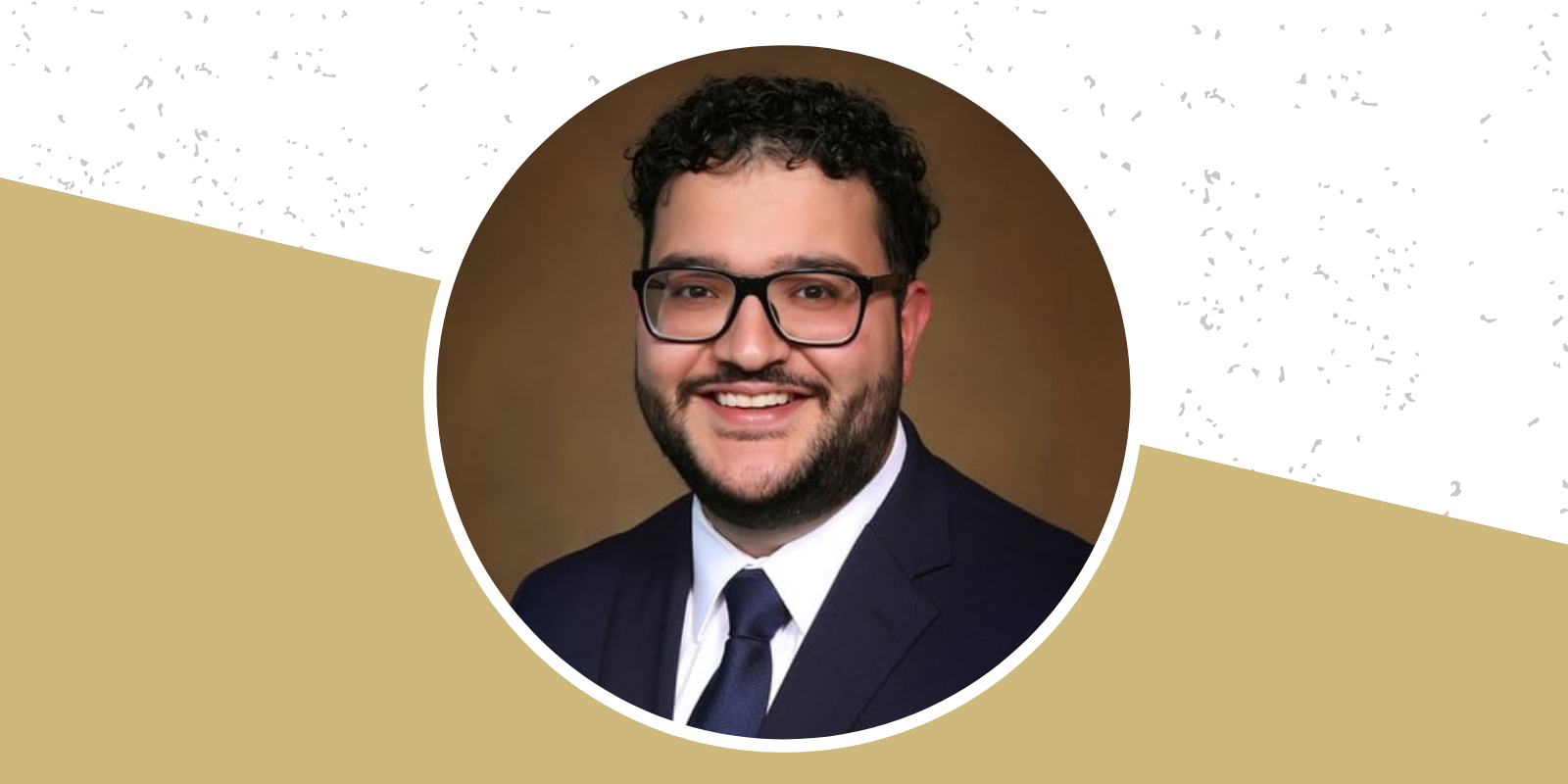
For his work in health policy research and reform, Ahmad Hider, MD, MPhil, a second-year general surgery resident in the University of Colorado Anschutz Department of Surgery, has been named a 40 Under 40 Leader in Minority Health by the National Minority Quality Forum (NMQF).
Each year, NMQF selects 40 health leaders under the age of 40 who are leading the charge to better patient outcomes and build sustainable, healthy communities. “These 40 leaders have persevered in strengthening their communities and reducing health disparities amid ongoing challenges within the health care system,” the organization said in a press release.
“I approach my work as a health policy researcher focused on improving surgical outcomes and addressing systemic inequities that impact vulnerable patient populations,” says Hider, whose health-policy-focused research has appeared in journals including JAMA Surgery, NEJM Catalyst, Nature Cell Biology, and the Journal of Cystic Fibrosis. “My work integrates clinical surgery and policy with the goal of identifying systemic gaps in care and designing scalable, evidence-based solutions.”
Driven by inequities
A native of Michigan, Hider earned his undergraduate and medical degrees from the University of Michigan and his Master of Philosophy from the University of Cambridge. Prior to beginning residency at CU, he served as a White House Intern in the Office of Science and Technology Policy.
“During my medical training, I observed significant inequities in the care patients experience,” he says. “Although clinical medicine plays a central role, many of the factors that shape outcomes lie outside the hospital. This underscores the importance of policy in addressing the social determinants of health and improving care delivery.”
Among Hider’s recently published papers are a JAMA Health Forum Viewpoint article that explains how a bundled model for surgical care can become a tool for health care systems to reduce their carbon footprint and a JAMA Surgery Viewpoint article advocating for improved hernia mesh procedures in the operating room.
Clinician scholar
In addition to his award from the NMQF, Hider recently was named a National Clinician Scholar, a program that immerses participants in a rigorous program of research, policy, and leadership training that equips them to partner with communities and health systems, engage and lead diverse teams to impact health policy, and generate and use evidence that will inform new strategies and models of care that improve health and health care for all.
He will return to the University of Michigan for the NCSP program before completing his surgical residency at the University of Colorado.
“Moving forward, I hope to contribute more meaningfully to national health care decision-making,” Hider says. “I envision a career that extends beyond clinical and scientific work to include shaping policy that improves care at a systems level.”
Expanding the field
Hider says he pursued a career in medicine to intertwine his love for science and his love for people. He appreciates the equal opportunity to interact with people through the clinical space and improve health care systems through research.
“Medicine is often described as a calling to help others, but it is also about pursuing work that is both meaningful and fulfilling,” he says. “I am passionate about surgery, and I believe in expanding the identity of surgeons to include clinician-advocates, clinician-scientists, and leaders in health policy.”