Despite the best planning and protocols, adverse events, including unexpected complications and patient deaths, can happen during or after surgical procedures.
But surgeons, trainees, and advanced practice providers (APPs) in the University of Colorado Anschutz Department of Surgery don’t have to bear the burden of such events alone. A year-old peer support program offers anyone who has experienced an adverse event the opportunity to have a one-on-one session with a volunteer trained in empathetic listening.
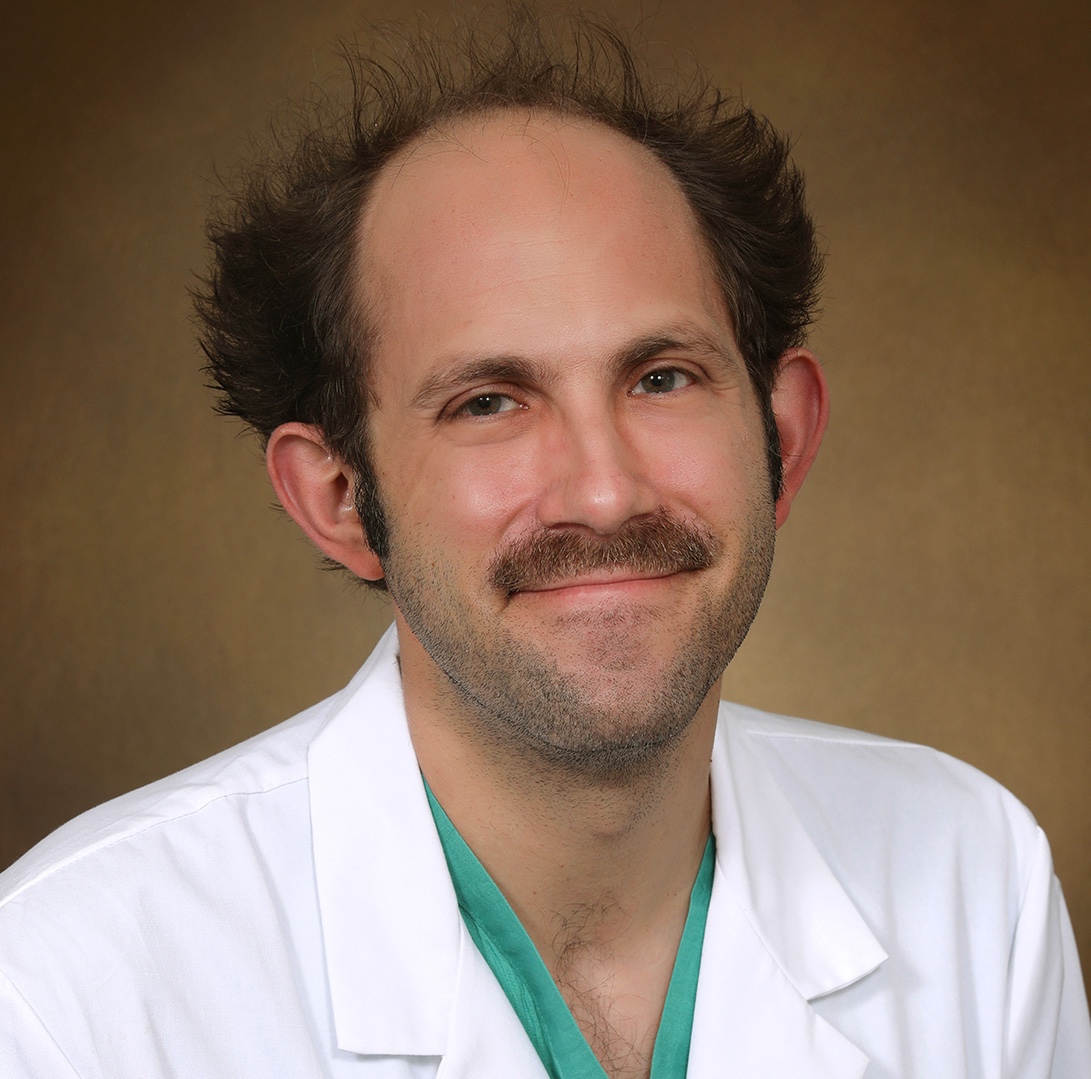
“We know from our well-being survey data that about half to two-thirds of clinicians in the Department of Surgery, whether it's residents, fellows, APPs, or physicians, have experienced an adverse event within the last year,” says Zachary Asher, PA-C, associate professor of clinical practice and co-creator of the peer support program. “We also know that most of the time, people want to talk to a peer afterward, if they want to talk at all.”
Flexible timing, empathetic listening
People can self-refer or refer others into the program, which is modeled after similar peer support programs at Children's Hospital Colorado, led by Jenny Reese, MD, and the surgical trauma ICU at UCHealth. Peer support is a major initiative of the CU Anschutz School of Medicine and Chief Well-Being Officer Lotte Dyrbye, MD, MHPE, who has been extremely supportive of the surgery peer support program.
Once program leaders identify the person in need of support, they connect them with a volunteer who reaches out to see what sort of meeting the affected person prefers.
“We leave it up to them to determine, ‘Do you want to meet for coffee? Do you want to have a phone call? Do you want to do a Zoom session?’ It's up to the two of them to figure out what is most convenient and ideal, because the last thing we want to do is to add something else onto somebody's plate who has already experienced an adverse event,” Asher says.
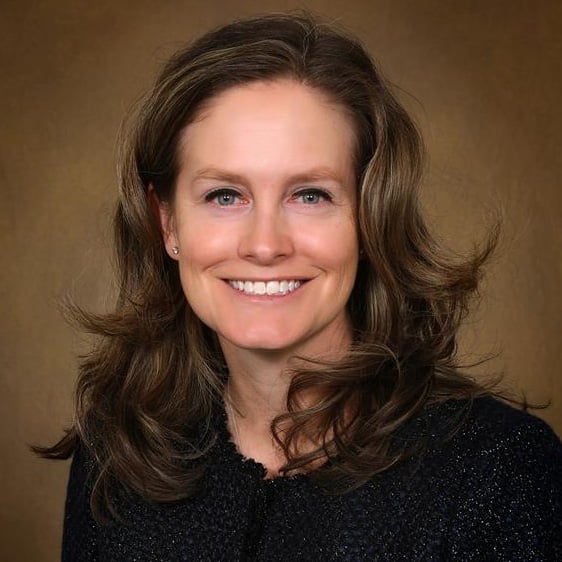
Asher and program co-creator Elizabeth A. David, MD, MAS, professor in the Division of Cardiothoracic Surgery, coordinate training for volunteers in empathetic listening, which David describes as “genuine listening, where you are focused on the speaker’s emotional responses, not necessarily the medical details.”
“Peer support is not about breaking down the medical events of a situation,” she says. “It is about listening to how the event is impacting the DOS member from an emotional or even physical standpoint — if the emotional response is bad enough to impact physical well-being.”
Asher adds that normalizing the feelings that go along with an adverse event is important, as is “making sure that they're still remembering to eat and to get sleep, and if things deteriorate, what resources are available on campus and beyond.”
No more suffering in silence
Active for a little over a year, the peer support program is proving to be a boon for surgery team members who have undergone traumatic events. It also is helping to strengthen the Department of Surgery as a whole, Asher says. The program is still in its infancy, he adds, and as it grows, it will change as the needs and culture of the department evolve.
“Knowing that our colleagues care about us and take the time to check in creates a more caring community and environment, and that can really strengthen our department,” Asher says. “We know that burnout reduces productivity and increases errors in clinical decision-making, so if we can mitigate that, I think we have a stronger clinical program and a better environment and culture overall.”
With physician and surgeon suicide rates on the rise within the surgical profession, as well as rising rates of burnout and depression among surgery departments nationwide, a peer support program can help keep people in the profession even when it might seem easier to leave, Asher says.
“Everybody goes into their day hoping for the best and planning for a good outcome, but no matter how experienced or prepared you are, unexpected or bad outcomes can still impact you,” Asher says. “The days of suffering in silence need to end.”