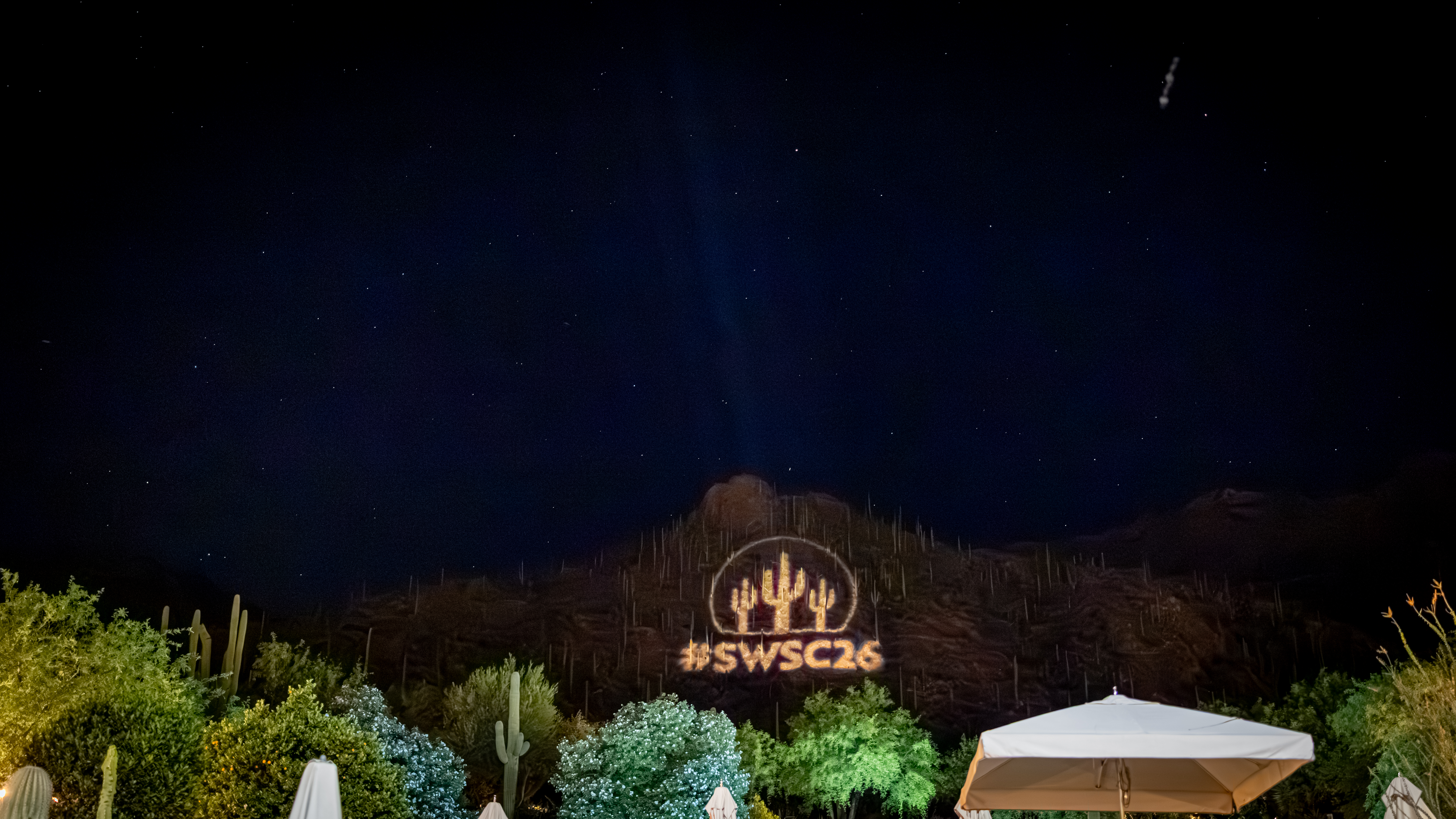
What’s the best part of attending the Southwestern Surgical Congress (SWSC) annual meeting as a resident? Getting to interact with your attending physicians outside of the operating room, say two University of Colorado Department of Surgery residents who attended this year’s SWSC meeting in April.
Thanks to the generosity of an anonymous alumnus of the CU surgery residency program, Teressa Borg, MD, and Denise Garofalo, MD, both received scholarships to go to the conference this year.
“It meant a lot to receive the scholarship and to be able to join my fellow residents and spend time with the attendings who have been teaching us,” Borg says. “It's not like being in the operating room or working with them. It's a much more relaxed environment where we were able to get to know them more.”
Connecting across specialties
The scholarship was established in May 2017, with the donor funds matched by then-department chair Richard Schulick, MD. The anonymous donor got so much out of going to SWSC as a resident that they wanted to share the experience with other residents who might not have the resources to attend, says Clay Burlew, MD, FACS, professor in the Division of GI, Trauma, and Endocrine Surgery.
“It's a really wonderful meeting,” Burlew says. “It's a terrific place for residents to get involved early in their careers and to see what it's like to attend and present at national meetings. It's a very family-friendly, resident-friendly, inclusive group that really encourages young surgeons.”
Burlew says another valuable thing about the SWSC conference, from the resident standpoint, is that it’s a meeting for surgeons from all specialties, allowing for cross-pollination and serving as a resource for those who have not yet decided on a specialty.
“So many meetings are siloed into subspecialties, whether it's trauma, surgical oncology, or transplant,” she says. “Southwestern Surgical draws surgeons from across all of those specialties, so you start to form friendships that can be lifelong, whether you're a resident, a young surgeon, or a fellow. Having colleagues and mentors across specialties is one of the unique things about Southwestern Surgical that I have appreciated over the past 25 years that I've been a member.”
Outings and presentations
Borg says she enjoyed the social as well as the educational opportunities at the conference, from team dinners and planned social events to the academic presentations that opened her eyes to work going on around Denver and beyond.
“I went to a lot of the scientific sessions where the talks were around eight minutes, and I learned a lot,” she says. “I learned a lot about work that's going on at the University of Colorado and Denver Health that I didn't know we were even looking into. We're such a big program that you're not always going to know what everyone is doing.”
Joining a community
For Garofalo, who attended three other conferences in 2026 prior to SWSC, the scholarship allowed her to go a fourth conference she otherwise would likely have had to skip.
“It enabled me and empowered me to be able to go, especially in a time when funding nationally for medical research is down,” she says.
As for the anonymous alum who established the scholarship, Borg and Garofalo both express their gratitude and say the donation is a perfect fit for SWSC.
“I think it really rings true to the culture of Southwestern,” says Garofalo, who has attended the conference twice in the past. “It feels like a community, where the same people are going back every year, and it fosters long-term relationships and collaboration between institutions in the region.
“Especially when you're working at a quaternary center, it's really important to develop those relationships, because you'll be transferring patients and possibly establishing multi-hospital trials and things like that,” she adds. “It makes sense that this alum would be devoted to inspiring other young surgeons to be able to develop those relationships.”