When an older person talks with a medical provider about health risks that may come with age, the conversation often covers driving, falls, medication side effects, and memory and thinking changes. A new commentary article co-authored by a University of Colorado Anschutz Department of Emergency Medicine leader makes the case that the conversation should include another key topic: firearms safety.
Every day, about 21 adults ages 65 and older die from firearms-related injuries in the United States, and more than 90% of those deaths are by suicide, the article says.
Yet while the American Academy of Pediatrics strongly recommends that pediatricians routinely screen and counsel families about firearm safety and safe weapon storage during well-child visits, there is no equivalent recommendation for those providing geriatric care, and firearm safety isn’t required as a topic in the annual wellness visit for Medicare Part B enrollees.
“One opportunity for closing this gap could be to incorporate firearm-safety discussions into Medicare’s annual wellness visit,” the article suggests.
“Although (further) research is needed on age-related considerations for assessing and addressing firearm-related risks among older adults, we believe the high burden of injury and death in this population compels action now,” it says.
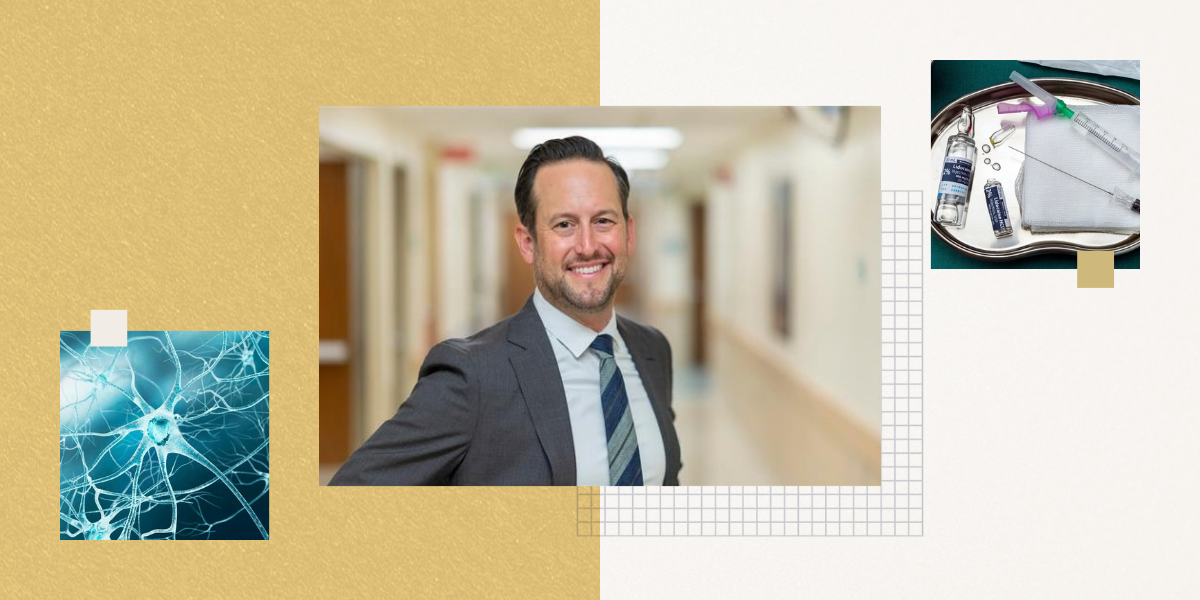
Emmy Betz, MD, MPH, an emergency medicine professor, is senior author of the perspective article, published recently in the New England Journal of Medicine. She is also director of the department’s Firearm Injury Prevention Initiative (FIPI) and associate dean for centers and institutes in the CU Anschutz School of Medicine.
Her co-authors are Lena Makaroun, MD, and Timothy Farrell, MD, on the geriatrics faculty of the medical schools at the University of Pittsburgh and the University of Utah, respectively.
The article was featured in a recent New York Times report on firearms safety among older adults.
→ Building the Next Generation of Firearms Injury Prevention Scholars
Risks increase with age
Betz is a nationally renowned firearms-safety researcher. FIPI, which Betz launched three years ago, is known for bringing together groups with varying views on firearms ownership to find common ground on safety and harm reduction.
Betz says Makaroun approached her about collaborating on a journal commentary on how to incorporate conversations about firearms into routine geriatric care. “It's something I've been interested in a long time and have written about before, but this was a lovely opportunity to frame it in a way that hopefully could reach a big clinician audience,” she says.
Previous research showed that about 45% of U.S. adults ages 65 and older live in a household with one or more firearms present. And the new article says that aging can make firearms riskier, with vision and hearing loss, neuropathy, cognitive decline, and depression all playing a part.
At least 30% of people with dementia have access to a gun, the article says, yet previous research led by Betz showed that only 5% of their caregivers say a health professional has talked with them about firearm safety.
→ From PBS: Emmy Betz on how families of firearms owners with dementia grapple with safety
Age-friendly care
According to the article, more than 6,000 hospitals, practices, and long-term care organizations nationwide have adopted the Age-Friendly Health Systems program for offering high-quality care to older adults while respecting what matters to them.
“A primary goal of age-friendly care is to avert harm to older adults, especially people with multiple chronic conditions,” the article says. “This framework doesn’t formally address firearm-related risks, however.”
“Age-friendly health systems recognize that aging is a varied and not always linear process,” Betz says. “People need different things. We should be thinking about how we incorporate patient-centered approaches and counseling on firearms, in a way that makes sense for clinicians and fits into our workflows, and that takes into account what an individual's risks are.”
In advocating for inclusion of firearms safety in Medicare wellness visits with clinicians, the article notes that about 60% of Medicare beneficiaries have a wellness visit each year, and that the session already covers topics such as alcohol use and home safety.
It says the wellness visit “presents an opportunity to engage older adults and their families or caregivers in needed conversations about firearm access, use, and future planning in the context of an individual patient’s physical and cognitive functioning, mental health, and overall goals and priorities.”
The authors call on medical societies and the U.S. Centers for Medicare & Medicaid Services, which administers Medicare, to develop recommendations for discussing firearms safety. Meanwhile, they say, clinicians can start making firearm discussions a routine part of age-friendly care now.
While talking about firearms can be touchy in many contexts, Betz says research shows “that patients are OK with being asked these questions when it's done respectfully and makes sense in the context of other questions about home safety or driving risk. If you do it in a way that is collaborative and not judgmental, the data tell us that people will be fine with that.”
→ CU Anschutz Hosts a Forum on Firearm Suicide Prevention in the Military
A series of recommendations
The article makes a series of recommendations to clinicians for incorporating firearms safety into conversations with older patients, including:
- Framing the discussion as a home-safety issue, treating firearms like other household risks that change with age, such as stairs or a deep bathtub.
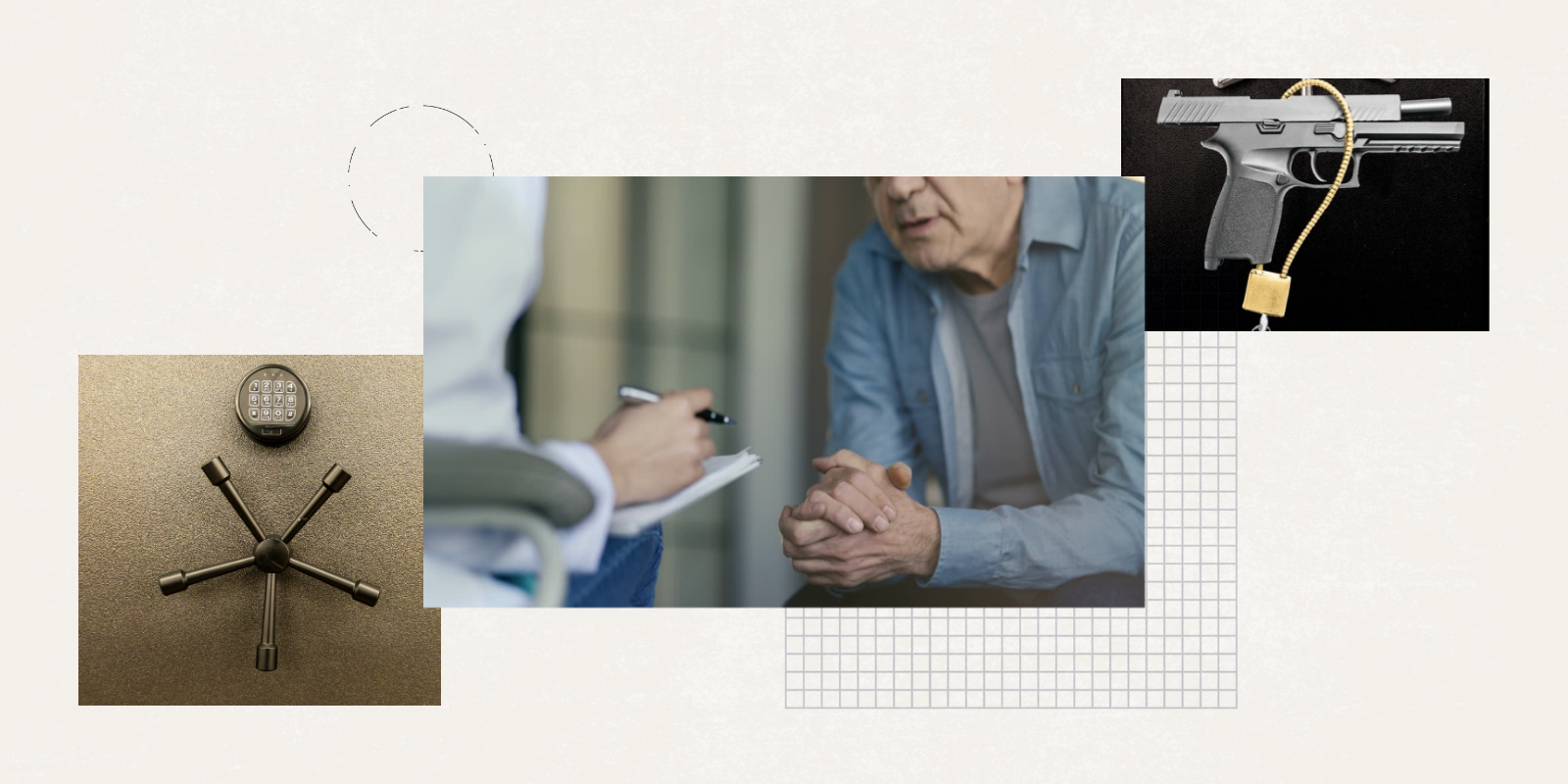
- Providing all older patients with information on secure weapons storage, locking devices, and places that will temporarily store firearms, regardless of whether they own guns.
- Adding targeted screening for higher-risk people, such as those with dementia, mental health concerns, or children in the home. Any patient with severe depression or thoughts of self-harm should be asked about firearm access, the article recommends.
- Discussing with patients ahead of time how future health changes may affect firearms safety, and what to do with firearms when someone can no longer use them safely or after they die.
- Enlisting care managers, social workers, and occupational and physical therapists to carry out follow-up conversations after the main wellness visit.
Supporting people
The article provides links to several firearm-safety resources for older adults and their clinicians, some developed by Betz and her colleagues. They include Safety in Dementia (for people with dementia and their families), Firearm Life Plan (to help firearms owners plan in advance for future handling of their weapons), Lock to Live (for adults at risk of suicide), Pause to Protect (for firearm owners and retailers), and The BulletPoints Project (for clinicians and medical educators).
Betz acknowledges that asking clinicians to add firearms safety to their conversations with older patients may not be “an easy fix” given that their patients may have multiple ongoing health issues to cover in a visit.
“It’s not like geriatricians always have plenty of extra time to be talking about new things with their patients,” she says. “But in theory, if the Medicaid wellness visit already involves a questionnaire that the clinician runs through with the patient, it shouldn’t be hard to add things. Ultimately, it’s about how we include firearms safety with the other safety topics – like driving, home safety, and fall risk – that come up in the annual visit.”
Betz says that since the NEJM article and the New York Times coverage appeared, as with all the work she’s done in this space over the last decade, “I’ve gotten only positive feedback from the public health and medical community and from geriatric patients, and I haven’t heard anything negative from firearm owners. I think that comes from making it clear that this is about patient-centered interventions. It's about supporting people and their families. It's not about gun grabbing. It’s about making sure people can be as safe and healthy as possible.”