As the devastating war in Ukraine has dragged on, the toll of injuries and deaths has steadily mounted – and bacterial infections that resist antibiotics have also increased among the wounded.
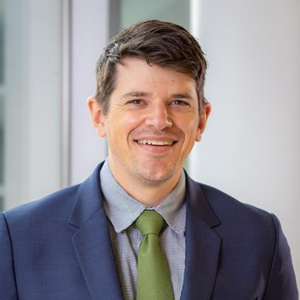
Medical research into ways to prevent and treat infected trauma wounds in Ukraine is vitally needed, says Corey Bills, MD, MPH an associate professor in the University of Colorado Anschutz Department of Emergency Medicine and the lead of its Global Emergency Care Initiative. Bills also is co-principal investigator of the ATLAS (Airway, Trauma, Lung Injury, and Sepsis) Research Program.
But conducting clinical trials to test new treatments and other interventions in a war-torn country is phenomenally difficult, especially given the typical time frame of several years for a clinical trial.
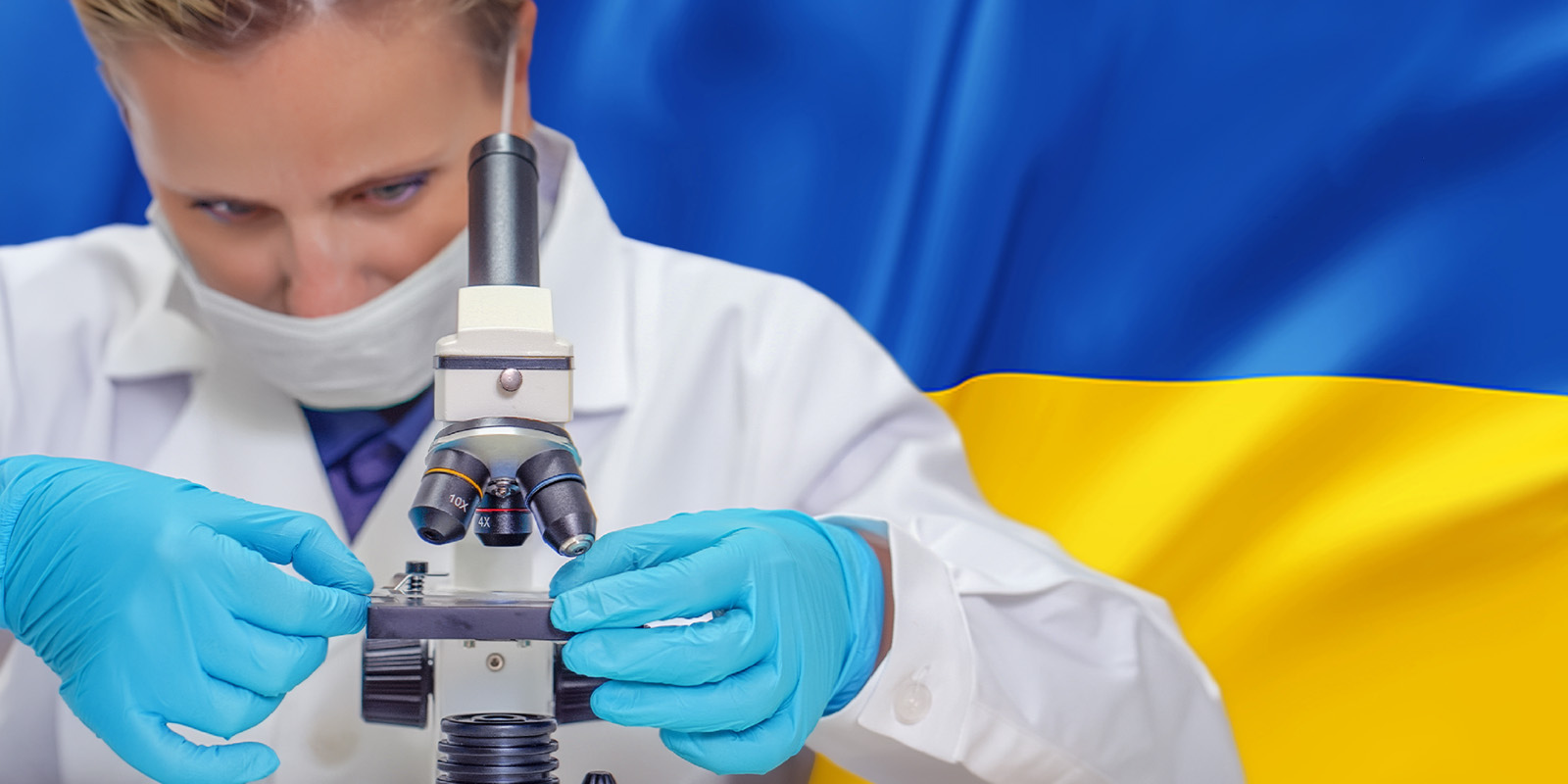
So Bills and his CU Anschutz colleagues have partnered with medical researchers in Ukraine to develop a master protocol – a streamlined platform for multiple clinical trials that takes into account Ukraine’s dire circumstances, and which he hopes can lead to trial results in one to two years.
It’s called PACT-ARROW, for Prevention and Treatment Clinical Trials for Antimicrobial Resistance Research to Improve Outcomes of Traumatic Wounds in Ukraine.
Bills was lead author of an article describing the protocol that was published online on May 5 in The Journal of Trauma and Acute Care Surgery.
The master protocol concept accelerated during the COVID-19 pandemic, but a master protocol for clinical trials has never before been applied to patients with acute traumatic wounds in a war zone, the journal article says.
“Even in the best of times, we don't have a lot of clinical trials in this space,” Bills says. “And when you add on the complexity of war, that makes conducting clinical trials that much more challenging. This methodology is one way to try to help alleviate some of the difficulties with doing clinical trials during an active war.”
"Antimicrobial resistance is one of the hardest problems in trauma care, and war makes it harder,” says Vik Bebarta, MD, chair of CU Emergency Medicine and founding director of the CU Anschutz Combat Medicine Research Center. “Corey and his team are building a way to test treatments fast enough to help people being injured right now. That's the work this department exists to do.”
→ ‘The Best of Both Worlds’: Corey Bills, MD, MPH, Explores Health Issues Globally and at Home
A growing threat
Since Russia’s full-scale invasion of Ukraine in 2022, about 41,000 civilians have been injured and 15,000 killed, the United Nations reported in February. Injuries and deaths among Ukrainian military forces have been roughly estimated at more than 500,000.
“The war complicates health care delivery in general” in Ukraine, Bills says. “Russia has targeted not only health care facilities, but also health care personnel and EMS providers.”
There have been more than 3,000 attacks on Ukraine’s health care sites and personnel across more than four years of war, the World Health Organization reported on May 8.
Bills says that in Ukraine, patients with traumatic wounds often get transferred from hospital to hospital for treatment, depending on their level of need. “And because of the strain on the health system and patients moving through that system, we found increasing rates of antimicrobial-resistant bacteria in these wounds.”
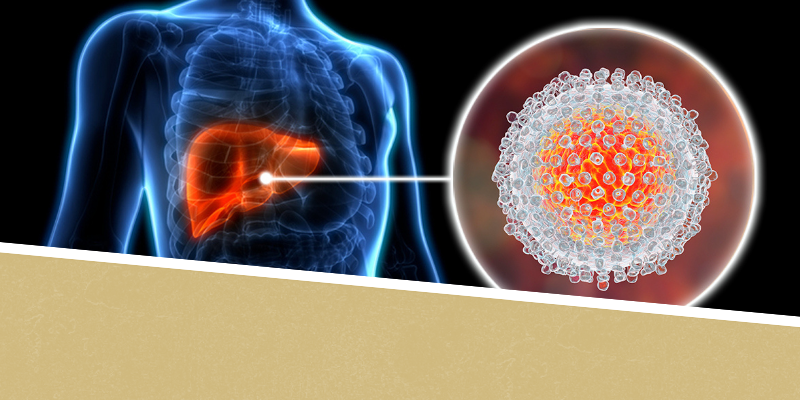
Even before the war, studies showed growing rates of multidrug-resistant infections in Ukraine that are untreatable with existing antibiotics, often acquired in hospitals. These “superbugs” are an urgent and growing global health threat, leading to longer hospitalizations, amputation, and increased death rates.
Laying the groundwork
PACT-ARROW is an outgrowth of CU Emergency Medicine’s joint U.S.-Ukraine research initiative called RESOLUTE – Research and Scalable Infrastructure to Improve Outcomes on the Front Lines of Ukraine by Advancing Treatment and Evaluation.
The project is led by Bills and Adit Ginde, MD, MPH, professor and vice chair for research at CU Emergency Medicine and senior associate dean for clinical research at the CU Anschutz School of Medicine. Ginde, senior author of the PACT-ARROW paper, also was named recently as the leader of the new CU Anschutz Office of Clinical Trials.
Under RESOLUTE, an observational study called ARROW was launched to lay the groundwork for developing the PACT-ARROW protocol, Bills says. At five Ukrainian hospitals, ARROW enrolled over 500 injured patients, then tracked their progress through 28 days of hospitalization to gather data on outcomes related to their injuries without testing a specific intervention.
With ARROW, “we started to identify what interventions might lead to better outcomes for these patients,” Bills says.
It’s intended that trials launched under PACT-ARROW will evaluate a wide range of potential interventions against antimicrobial-resistant wound infections, including preventive measures, diagnostics, wound dressings, topical therapies, antibiotics and other antimicrobial treatments, and surgical approaches.
"There is tremendous urgency for the Ukrainians suffering from wounds, our national security, and public health globally to identify solutions to prevent and treat antimicrobial resistant wound infections,” Ginde says.
“We launched the PACT-ARROW clinical trial platform to meet the moment through an efficient and streamlined partnership with government, industry, regulators, and our Ukrainian colleagues to rapidly test multiple interventions during this crisis," he says.
Multi-arm, multi-stage
The PACT-ARROW protocol calls for a “multi-arm, multi-stage” (MAMS) trial-platform design, which means that, unlike a typical clinical trial:
- The same patient enrollment process and data collection methods can be used across multiple trials, saving time and resources.
- Multiple interventions can be studied simultaneously, rather than one at a time.
- Trials are conducted under an ethics and regulatory framework already approved in Ukraine and the U.S.
- Trials can start and stop as results come in, without shutting down the whole trial platform.
- Each trial will designate one main outcome from a standardized list, including survival, wound healing, hospital discharge, signs of infection, and bacterial culture results.
- Outcomes will be tracked for up to 28 days in the hospital, to keep data collection manageable during wartime.
A steering committee of specialists, Ukrainian leaders, global health experts, and potential sponsors will review potential interventions to determine whether they are aligned with the mission of the trial and have sufficient evidence to warrant testing.
Broader applications
Already, patient enrollment has begun for a clinical trial under the PACT-ARROW protocol – called HERO, for Healing Electroceutical Dressing for the Recovery of Open Wounds – to test a special wound dressing that uses micro-currents to promote healing while disrupting bacteria. CU Emergency Medicine is collaborating with the University of Pittsburgh on HERO.
Over the next year, Bills expects the launch of trials to test additional interventions using the PACT-ARROW protocol. Those interventions might include unique ways to clean dirty wounds, new antibiotics as well as diagnostic methods, he says.
Even with PACT-ARROW, there will still be obstacles to speedy completion of clinical trials in Ukraine, including the potential difficulty of data collection during frequent power disruptions and the complexity of shipping biological samples and medical supplies in and out of the country.
Bills and others have been meeting regularly in Poland with collaborator Roman Fishchuk, MD, MSc, a clinical research leader at Central City Clinical Hospital of Ivano-Frankivsk in western Ukraine, as well as other Ukrainian site leaders, to discuss the project’s progress. Fishchuk visited CU Anschutz in January to speak on conditions in Ukraine.
Bills and his team hope that PACT-ARROW becomes a model for conducting clinical trials that can change clinical practice in other conflict zones, sites of humanitarian crises, and public health emergencies – wherever traditional research methods are impractical. They also foresee the project leading to shorter time frames for clinical trials here at home.
“While the protocol itself is unique to Ukraine,” Bills says, “you could apply this same approach to speed up the time from thinking about a clinical trial to having patient-level impact in a civilian setting as well.”
Disclaimer: This effort was funded under MTEC solicitation MTEC-24-01-MPAI and is funded by Combat Casualty Care (CCC) under the Department of Defense. The views and conclusions contained herein are those of the authors and should not be interpreted as necessarily representing the official policies or endorsements, either expressed or implied, of the U.S. Government.