

.png)
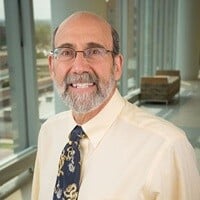
Hank Brand, second year medical student and 2nd Lt. in the Air Force, and Megan Lykke, MD, professor of Family Medicine with the University of Colorado Anschutz, pose for a photo at the PrimeHealth+ building in Grand Junction.
“A Look at CU's Pipeline for Rural Doctors.”
Grand Junction Daily Sentinel
February 2026
The University of Colorado Anschutz School of Medicine Rural Program has been recognized for its role in cultivating the next generation of rural physicians in a recent Grand Junction Daily Sentinel article titled “A Look at CU’s Pipeline for Rural Doctors.” The article highlighted that the Rural Program has, “seen substantial success in attracting medical students through a firsthand experience of the nuances and importance of rural healthcare.”
With 13% of Coloradans living in rural regions, only 8.5% of active, licensed Colorado doctors provide healthcare in those areas. The Rural Program has been recognized as a strong initiative aiding this issue as, “of the 209 students who graduated through the Rural Program since its founding in 2009, nearly 40% are now practicing rurally—compared to just 11% of active physicians nationwide working rurally.”
Faculty members and leaders of the Rural Program including Mark Deutchman, MD; Megan Lykke, MD; Rebecca Fulmer, MD; and Angela Kuzminski Gao, DO—alongside current students and grads—were interviewed about the one-on-one instruction and meaningful interactions between students, instructors, and patients in the ten-month clerkship.
From the article:
“The program is a concurrent supplement to CU Anschutz’s traditional medical school, comprising roughly 10% of each year’s total cohort, or about 18 to 20 students.
With that, [Dr.] Deutchman said that prospective students undergo the standard medical school application, but joining the Rural Program requires additional one-on-one meetings and an essay outlining the applicant’s interest in rural healthcare and CU’s program specifically.
‘The first year is the same, except that we meet with our students once a week during that whole first year, and we do seminars and workshops that bring a rural focus to what they’re learning, so they don’t lose their perspective,’ [Dr.] Deutchman said. ‘We say that we do it to keep the rural spark alive.’
While those weekly workshops are important, [Dr.] Deutchman added that every year a rural student stays in an urban center (like Anschutz’s Denver campus) makes them increasingly prone to lose interest in serving the countryside.
The importance of that ‘rural spark’ was the main motivator for establishing the program’s 10-month longitudinal clerkship.”
Read more of this story in The Grand Junction Daily Sentinel.
(Cover photo courtesy of Grand Junction Daily Sentinel.)
.png)
.png)