<img height="1" width="1" style="display:none" src="https://www.facebook.com/tr?id=799546403794687&amp;ev=PageView&amp;noscript=1">

In His Own Words: Christopher Lieu, MD

minute read

by Staff | March 26, 2026
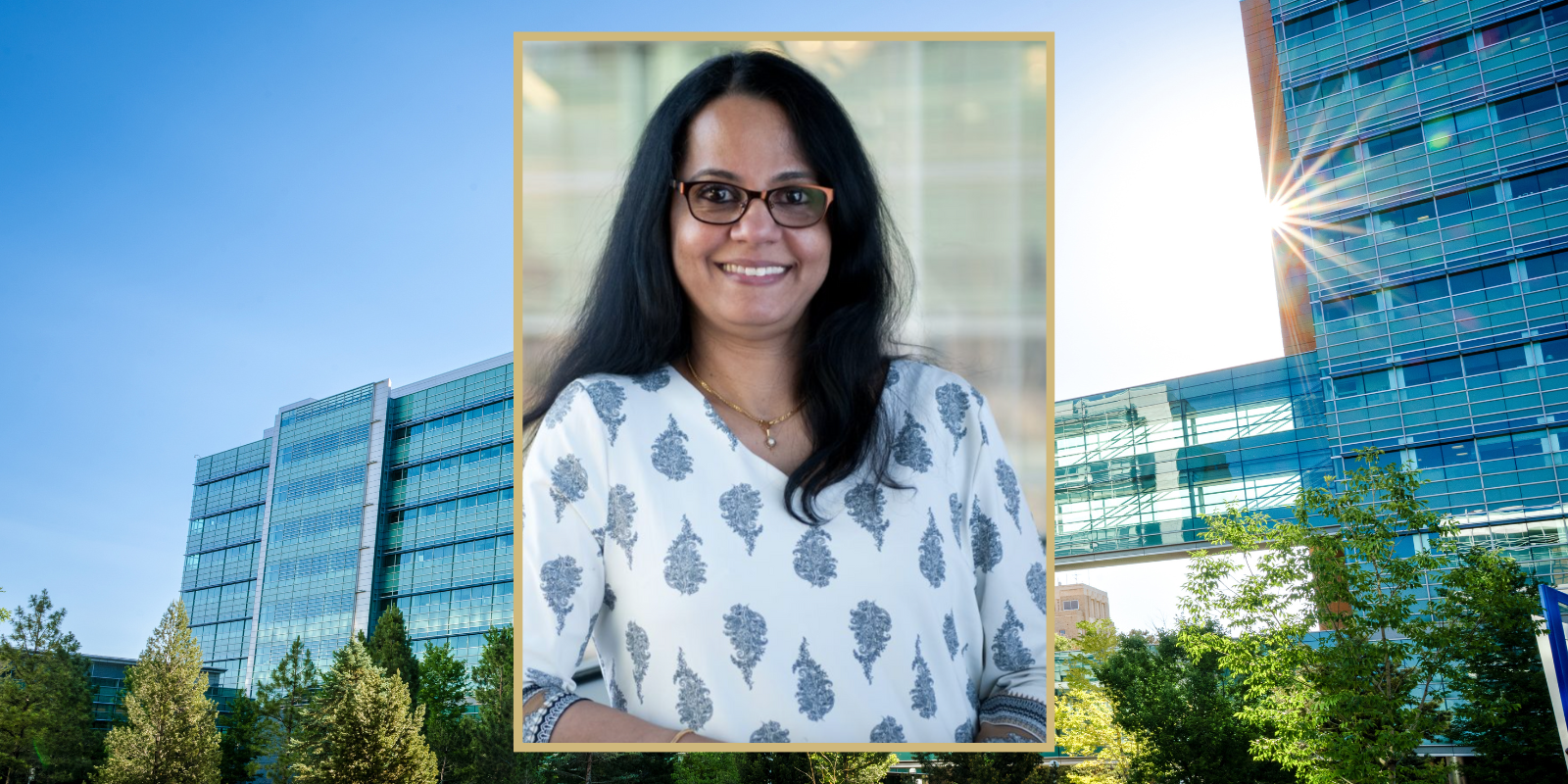
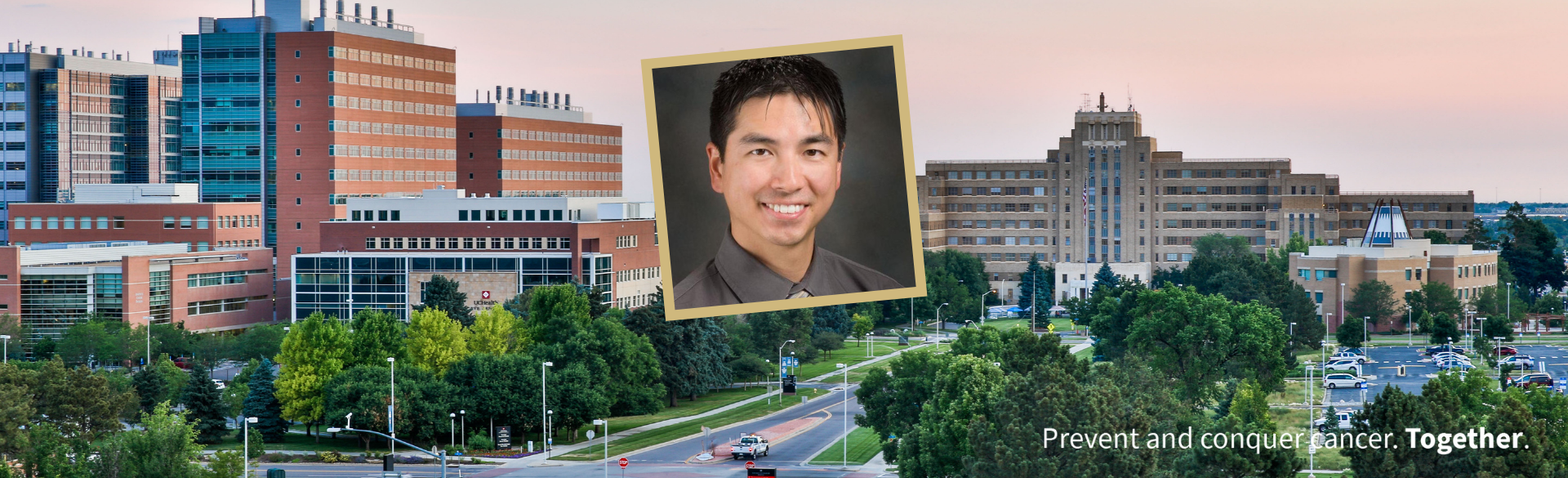
Christopher Lieu, MD, will lead solid tumor research

This Colorectal Cancer Awareness Month, we’re highlighting the work of Gates Institute research member Chris Lieu, MD—an innovator whose impact spans CU Anschutz and far beyond. A leader in gastrointestinal oncology, his research targets some of the field’s most urgent challenges, from early-onset cancers to treatment resistance, while advancing promising therapies into first-in-human clinical trials. In his roles across the CU Anschutz Division of Medical Oncology, the CU Anschutz Cancer Center, and GI Medical Oncology, he brings vision and collaboration to every effort. When the Dudley Solid Tumor Cellular Therapy Fund was formed, creating a partnership between Gates Institute and CU Anschutz Cancer Center, he was a natural fit to lead research that aims to drive the development of a first-in-class cellular therapy for colorectal cancer, pushing the boundaries of what’s possible in cancer treatment.

Q&A Header

What do you love most about your work?

 First and foremost, I love the opportunity to take care of patients and to treat this deadly disease with the best therapies possible. Our patients are inspirational heroes, and it’s an honor to be part of their care team. However, we know that our current treatments are not nearly as good as our patients deserve them to be. So, the other part of my work that I love is pushing the field further and faster through cancer research. Research is changing the field of cancer medicine faster than any other field in medicine, and being part of improving cancer outcomes through the most cutting-edge treatments possible is incredibly exciting.

How has cell and gene therapy revolutionized your field?

Cell and gene therapies have revolutionized the field of cancer, but in many GI cancers, particularly colorectal cancer, they have not had a significant impact. So, for our patients with GI cancers, cell and gene therapy have yet to revolutionize their field, and this is something that absolutely needs to change.

This is why research is desperately needed for our patients. The ability to utilize the body’s immune system to fight cancer is a revolutionary step in treating this disease, but the correct strategy hasn’t been unlocked for patients with GI cancers, and this represents a huge gap that needs to be filled.

Tell us about your current research with the Dudley Family Solid Tumor Cellular Therapy Fund.

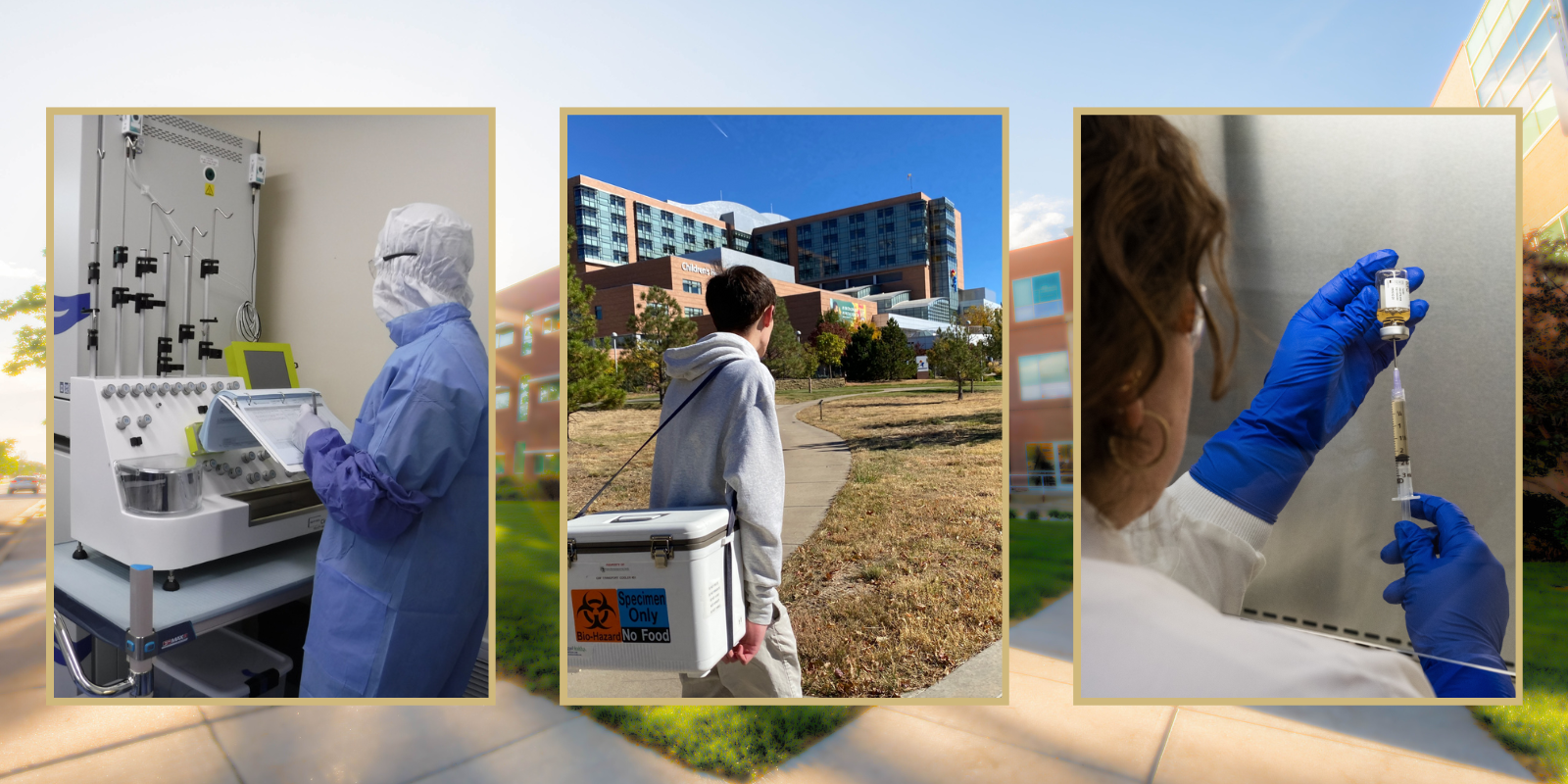
We are designing and conducting a chimeric antigen receptor T-cell (CAR-T) study in colorectal cancer. It is a completely new and novel strategy to attack colorectal cancer cells using engineered T-cells trained to target a receptor that colorectal cancer cells overexpress. This represents a potentially new and groundbreaking treatment for colorectal cancer, where immune-based treatments have been ineffective for a vast majority of patients.

What does philanthropy mean to you? 

Philanthropy is an investment in hope and a strategic partnership. It represents a shared vision that we can and will do better for our patients with cancer. It’s also a partnership where investment into groundbreaking research connects the vision of our donors with the cutting-edge science needed to bridge the gap between the laboratory breakthroughs and the patient’s bedside as quickly as possible.