<img height="1" width="1" style="display:none" src="https://www.facebook.com/tr?id=799546403794687&amp;ev=PageView&amp;noscript=1">

Setting Up Your Environment for Better Health

A Q&A with Coach Marsha Miller

minute read

by Wellness Connections | November 4, 2025
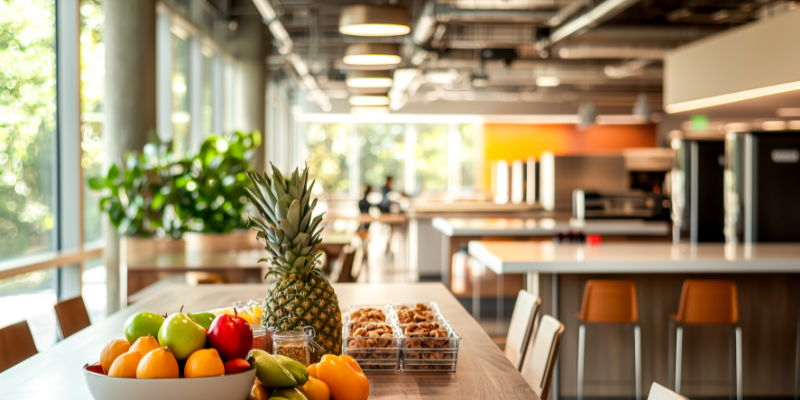
A kitchen-like environment with fresh fruits and muffins on the counter.

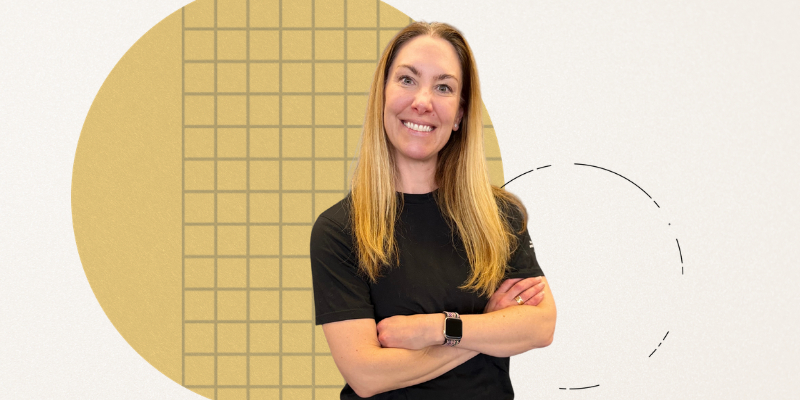
Everywhere we turn, food is part of the landscape, at the office, in our homes, during social gatherings, and in food marketing strategies on TV. It’s easy to feel overwhelmed by the constant temptation. To help us make sense of it all, we sat down with Coach Marsha Miller, Lifestyle Programs Manager at CU Anschutz Health and Wellness Center.  A registered dietitian and leader of many weight management classes at AHWC, Marsha has spent over 20 years coaching people how to build sustainable habits for long-term health.

"If you want to change your behavior – change your environment" - Coach Marsha

Q&A Header

Why does it feel so difficult to make healthy choices these days?

Food is embedded into nearly every part of our day at work, home, social events, and even in the media we consume. Sometimes it feels like the odds are stacked against us. But when we become more aware of our environmental cues (the influences that trigger certain thoughts and behaviors), we can tip the balance back in our favor by creating a supportive environment. It helps to make the healthier choice easier by changing just one simple thing in your environment. For example, keep healthy snacks (fruits, veggies and yogurt) available and less healthy snacks unavailable (just don’t buy them). Minimize the number of times you are exposed to the cue.

If food cues are everywhere, how do we avoid feeling defeated?

The goal is to just make progress – never perfection. We can’t completely control what’s around us, but we can change how we purposefully respond. Small, thoughtful shifts in our surroundings help us feel more empowered, less overwhelmed and more capable of creating a healthier environment.

You often coach about the “In-Out-Replace” method. What is that?

 It’s a simple way to engineer your environment to support healthier habits: 

  • IN: Add things that set you up for success. For example, if drinking enough water is a challenge, bring calorie-free flavored water to work and choose a cool water bottle to carry with you throughout the day. If you are trying to eat more vegetables, bring a bag of veggies to munch on as a snack at work and salsa or flavored Greek yogurt dip to dip them in if it makes them taste more appealing.
  • OUT: Remove things that make it harder to stay on track. If high-calorie snacks (chips or cookies) are your after-work weakness, don’t keep them in the house. If food-focused TV shows cue you to eat when you’re not hungry, take a break from them.
  • REPLACE: Swap old habits for healthier ones. Love sweetened tea? Try a sugar-free version. Find buffet-style dining tough for portion control? Try restaurants with plated and portioned meals instead.

Where should someone start when trying to make these changes?

Focus on the most challenging space for you in your current environment. For some, it is the kitchen, the car, the office or even a favorite restaurant. Start with the area that is your biggest challenge and make one simple tweak i.e.: if your current habit is to come home and go straight to the kitchen for the chips and salsa – perhaps decide to come home and go for a walk and by-pass the kitchen. Re-engineer your environment. Make it easier to choose healthier habits.

What are some quick strategies people can use right away?

I like to share three simple tips in my classes: 

  1. Be mindful of your table space & portion sizes: Use smaller plates and bowls to reduce portions naturally. For drinks, tall, slender glasses can help limit calories. Slow down the pace – eat slowly – put your fork down between bites; think about what your food looks, tastes and smells like – Enjoy your food!

  2. Plan ahead: Planning ahead can help us make healthier choices the default option. Keep quick and easy “go-to” options for meals and snacks on hand and available.

  3. Make tempting foods less convenient: Keep higher calorie snacks out of sight and out of reach, while placing healthier options like washed grapes or cut veggies at eye level in the refrigerator.