
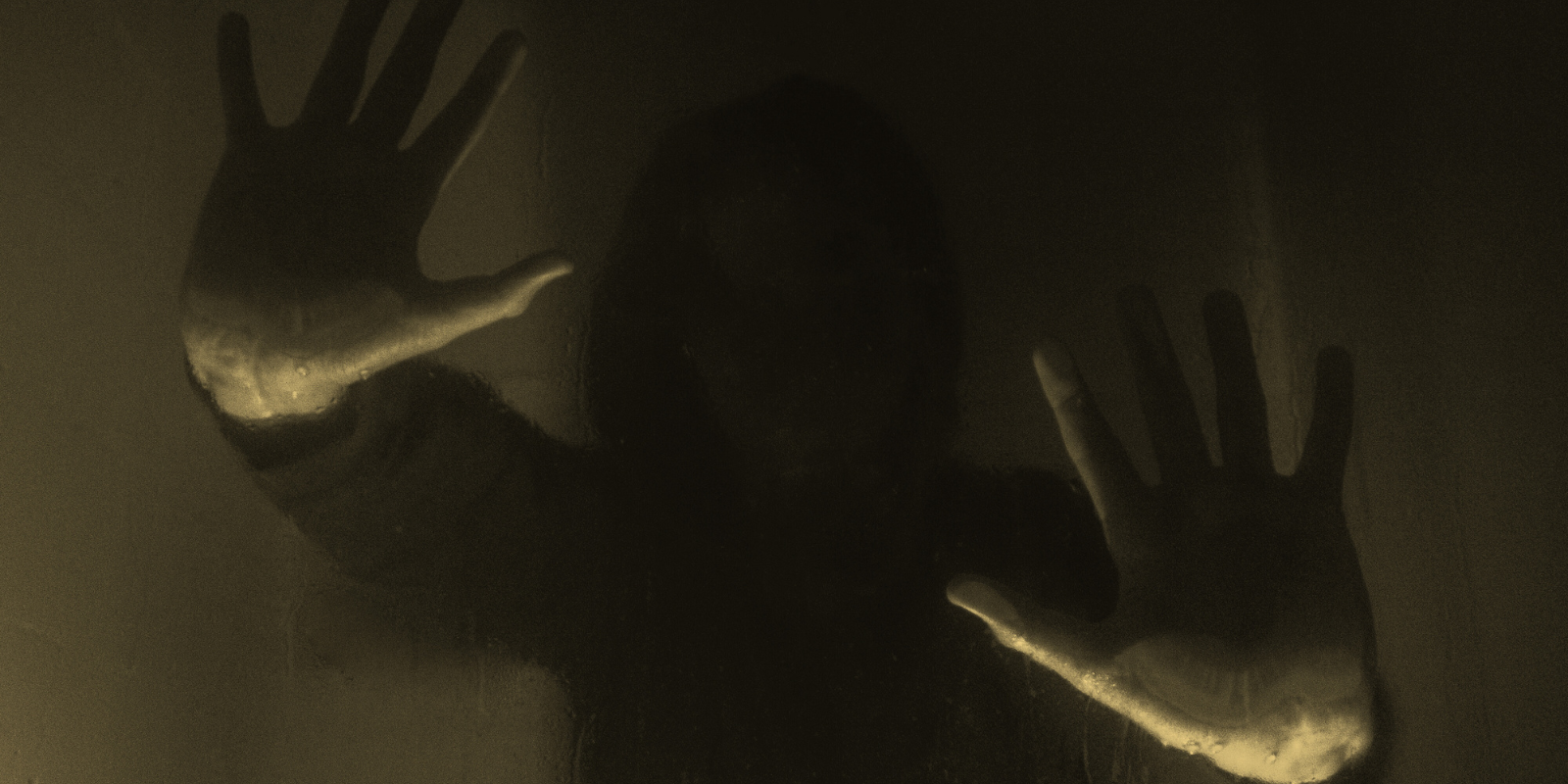
The menacing shadowy figure that perches upon your chest making it hard to breathe and rendering you paralyzed for a few moments between sleeping and waking probably isn’t a nightmare come to life or a phantom that bubbled up from the underworld.
It’s more likely to be a hallucination that happens along with sleep paralysis, a largely harmless phenomenon that Katherine Green, MD, medical director of the University of Colorado Sleep Center, says happens to as many as 70% of people at some point in their life.
“Many people have this experience and while it’s mostly benign, it can understandably be frightening,” says Green, who is also an associate professor of otolaryngology at the CU Anschutz School of Medicine.
Records go back more than 300 years describing similar sleep paralysis experiences to what people report today. In 1664, a Dutch physician’s collection of case histories included the earliest known clinical description of sleep paralysis — writing that a female patient sometimes believed “the devil lay upon her and held her down” and could hardly speak or breathe while she “was in that strife”— and in 1781, Swiss artist Henry Fuseli painted “The Nightmare,” a famous depiction of what it’s like to experience a sleep paralysis demon, sometimes called an incubus in folklore. Historians believe the painting was inspired by Fuseli’s own experiences with “waking nightmares.”
We spoke with Green about the medical aspects of sleep paralysis, what’s happening in the body and brain, and what to do to lessen the anxiety that sometimes accompanies these chilling encounters.