


In response to physician shortages in certain specialties of medicine, as well as changes in federal student loan borrowing limits, the University of Colorado Anschutz School of Medicine is joining the ranks of medical schools nationwide that offer an accelerated three-year MD degree.
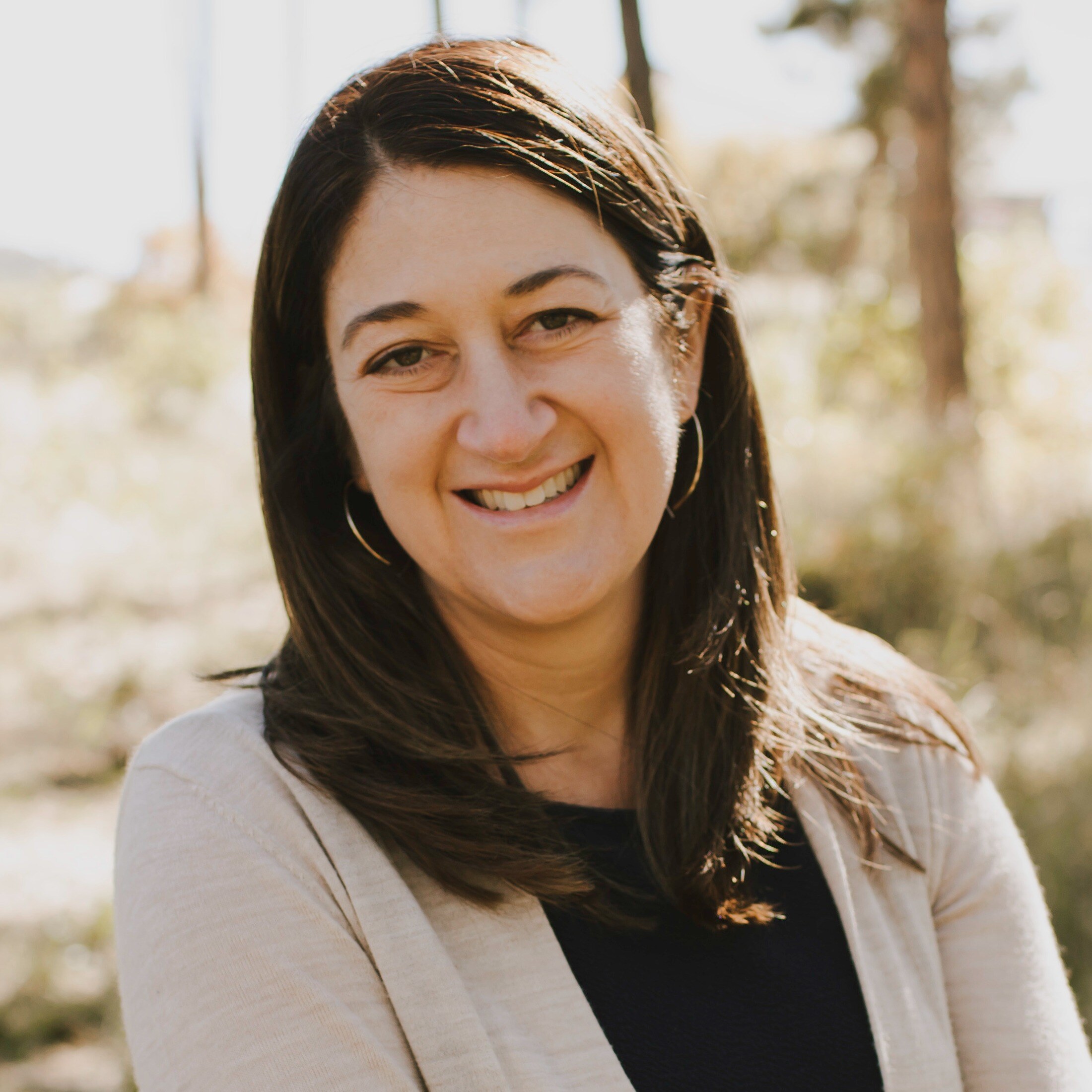
“There are about 35 medical schools around the country that are doing this right now,” says Jennifer Adams, MD, professor of internal medicine, associate dean of medical education, clerkship phase, and director of accelerated pathway programs. “We're joining a small but mighty group that is trying to address two important factors. One is rising concerns around student debt and the cost of medical education, and the second thing is physician workforce shortages.”
Cost calculation
Adams says a recent change to federal student loan rules that caps the lifetime amount student can borrow at $257,000 will put medical school out of reach for many students who already have taken loans for their undergraduate or other graduate degrees, especially as the cost of medical school continues to rise.
“It has put into sharp focus how important it is for us to think creatively about how we can reduce the cost of medical school, or we face a future where students from disadvantaged backgrounds, those from the communities we think are really important to serve and to bring in future trainees, simply can't attend medical school,” she says. “Shortening training from four years of tuition to three is one concrete way we can do that.”
Premier pathways
The CU Anschutz School of Medicine is enrolling now for the first class of students in the three-year program, called the Peak-to-Peak Pathway, which will matriculate its first class in summer 2027.
The core curriculum will be identical to that taken by students in the traditional four-year program; only certain electives,career preparation courses, and unstructured time that current students use to interview for residencies will be eliminated. Students can select one of five accelerated-track pathways that are linked to residency programs in Colorado that students will directly enter once they graduate.
“We're going to enroll eight students, one or two per pathway, in pediatrics, rural family medicine, urban family medicine, urban primary care internal medicine, and internal medicine/infectious diseases,” Adams says. “We want to identify students at the time they matriculate who are committed to these specialties, grow them up in this work environment, and provide early mentorship. If everything goes according to plan, then they have a directed pathway into residency. We eliminate a lot of the extra time and resources required in the residency match process, because they slide right into that residency spot after completing three years of medical school.”
Meeting demands
In addition to addressing the growing cost of medical school, the Peak-to-Peak Pathway program is designed to solve a second problem — a shortage of physicians in areas such as pediatrics, infectious diseases, and primary care.
In a recent report, the Association of American Medical Colleges expects physician demand to continue to grow faster than supply, leading to a projected shortage of between 13,500 and 86,000 physicians by 2036.
“There's a mismatch and a discrepancy in the type of specialties and the type of geographic locations that many of our students are going to and where there are real needs and real gaps,” Adams says. “We are hoping to take those students who are really goal-directed and really clear in what they want to do, eliminate a lot of the elective time for career exploration, and get them into the workforce sooner.”
Following their passion
Adams predicts that the students most likely to succeed in the Peak-to-Peak Pathway are those already committed to the included specialties who want to serve communities in Colorado.
“I think it has to be the students who have a passion for the specialty and for the practice; otherwise, it doesn't work,” she says. “I know there are students out there who want to do this work and are committed to doing this work but are scared away when they look at the salary discrepancies in these specialties and the size of the loans. They say, ‘Gosh, I want to be a primary care doctor, but I can't take on this kind of debt, and how am I going to pay that off?’
“We can try to solve this problem by taking those students who are really committed to the work and trying to reduce the debt to make it possible for them to be successful in this career path.”

.png)