In the Cannabis, Health, and Addiction Over the Lifespan (CHAOS) Lab, directed by Kent Hutchison, professor of psychiatry at the University of Colorado School of Medicine, researchers are pondering what it means to be beautiful.
Specifically, what’s happening in the brain when beauty is perceived and how that may overlap with the neuroscience of psychedelic substance use.
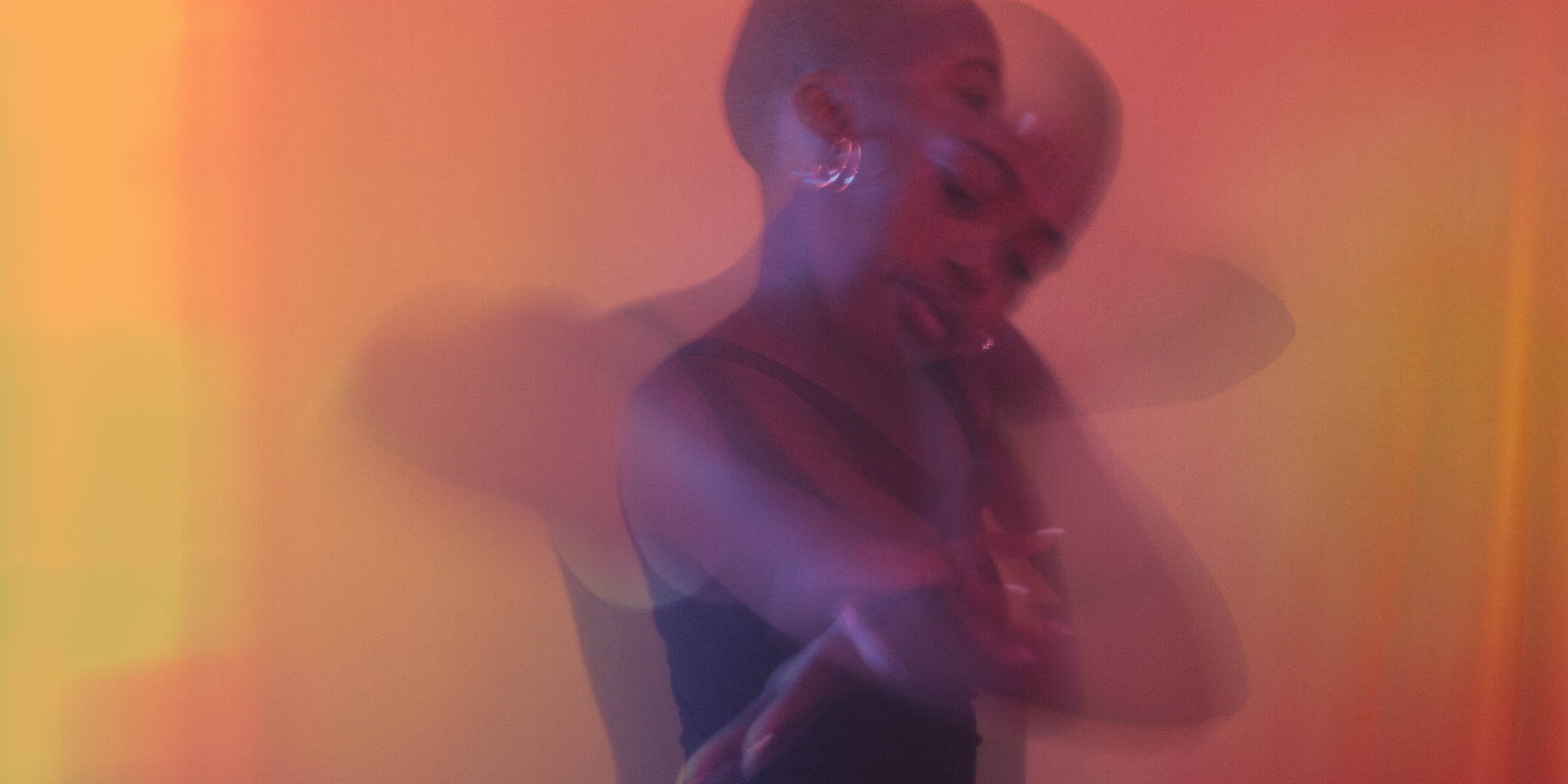
“We suggest that psychedelics have potential to create an endogenous state akin to the experience of viewing a magnificent work of art, where environmental elements are optimally encoded to extract perceptual, emotional, and semantic information,” the researchers write in a new paper on the potential of neuroaesthetics of the psychedelic state published in the journal Neuropsychologia.
“However, instead of an actual piece of art, a heightened appreciation may be applied to otherwise ordinary objects within the user's environment such as plants, fabrics, or furniture,” they continue.
While the research field of neuroaesthetics is relatively new, the researchers propose that there’s potential for incorporating psychedelics into the work because of how those substances affect the brain. They also say the reverse is true and that learning more about how the brain perceives beauty could help create better psychedelic therapeutic experiences in clinical settings.
"With psychedelics becoming more widely used both inside and outside of clinics, finding ways to make these experiences more beneficial for people is an important direction for research," Hutchison says.
Jake Hooper, a clinical research coordinator for the CHAOS Lab and lead author of the paper, explains the basics of neuroaesthetics and what this specialty may lend to the future of therapeutic psychedelic use.