
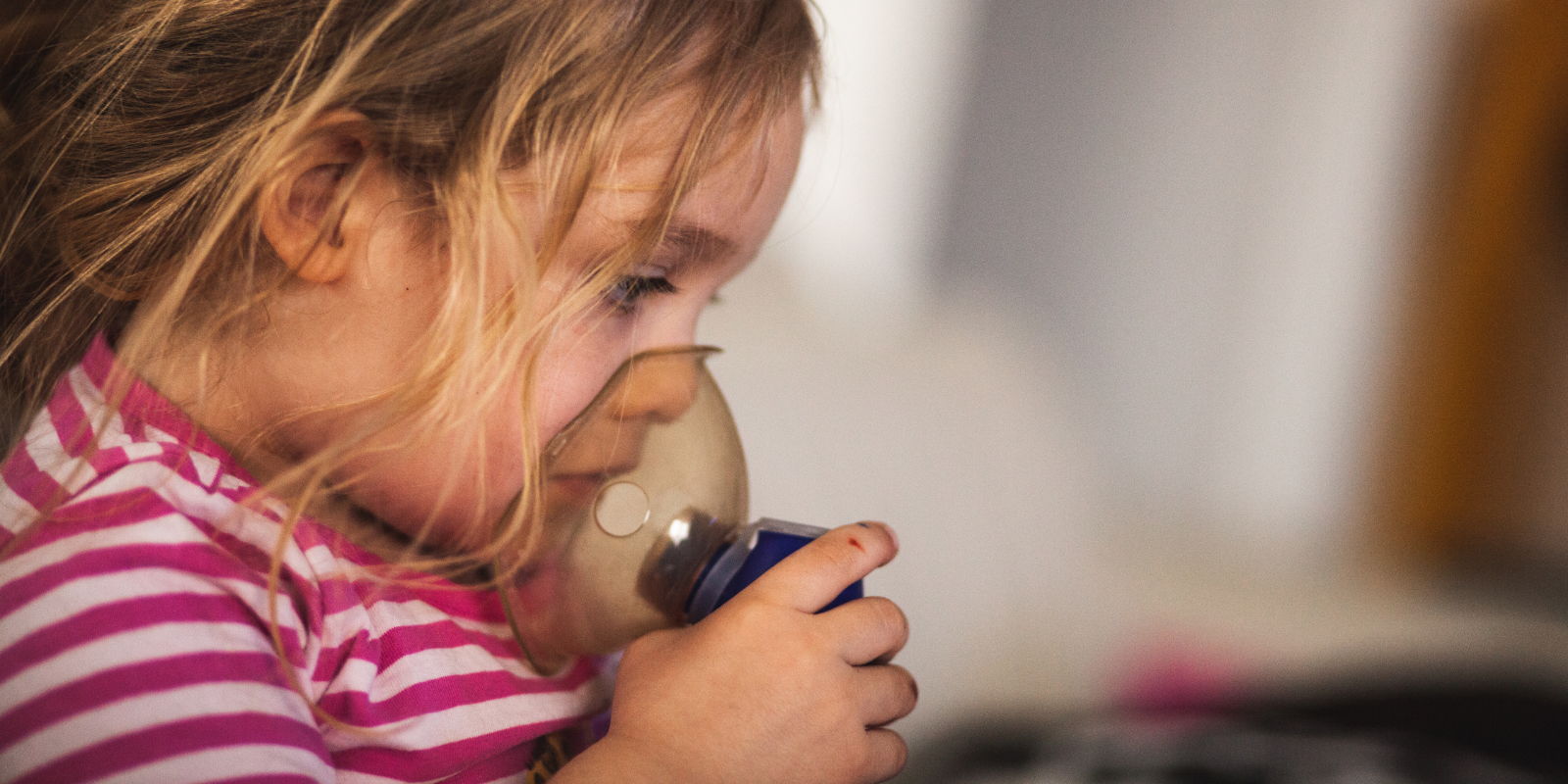
Pediatric acute respiratory failure (ARF) — a life-threatening condition where children’s lungs stop being able to efficiently take in oxygen or get rid of excess carbon dioxide — is one of the most common conditions that can send young patients to the emergency department or pediatric intensive care unit (PICU). An estimated two-thirds of children admitted to PICUs enter the hospital with an ARF diagnosis, usually from a severe respiratory infection.
Although ARF is also serious in adults, children are more vulnerable to it because certain breathing muscles and structures in the airways are less developed. Children with ARF often need ventilation to survive and recover from their illness, and they may need to stay in the hospital for several days to weeks.
Surviving the PICU is only part of the battle: After leaving the hospital, young people recovering from ARF may have trouble being as physically active as they were before becoming ill. They may still feel weak or fatigued, so they can struggle with daily activities like playing sports or walking to and from school, which can lead to social isolation, mental health struggles, and developmental challenges.
To better support these children, Aline Maddux, MD, an associate professor of pediatric critical care medicine with the University of Colorado Anschutz School of Medicine, is spearheading a multi-phase study that will use wearable physical activity monitors to gauge recovering pediatric ARF patients’ level of activity after leaving the hospital, examine what helps (or hurts) their ability to be active, and seek ways to help them return to living full, vibrant lives as quickly as possible.
Maddux believes the physical activity monitors will provide more robust data about how well patients are recovering. Previous research has relied on surveys of children and their family members that ask how recovery is going.
“We're using the monitors to answer the questions of, ‘What are these kids doing? Are they feeling okay because they're sitting on the couch all day and not trying to do things? Or are they feeling okay and they are also really active?’ And then we also want to measure their lung function,” says Maddux. “We’re trying to create a systematic way to really understand patients’ physical recovery, both from an activity perspective as well as from a lung injury perspective, so that we can help inform the way that we take care of them in the PICU.”
For this work, Maddux has received two major grant awards — both an R01 and an R21 grant —from the National Institute of Health (NIH). Maddux has also received a CU Anschutz Across the Finish Line (AFL) award from the Dean’s Academic Enrichment Fund for this work.
The AFL program offers three different tracks of funding aimed at helping researchers gain additional funding outside the university. These tracks – preliminary research funding, pivot funding, and expanded gap funding – each address potential challenges in advancing research. Most awards run from 6 to 12 months, and the typical budget is up to $100,000. Applications are reviewed, and winners are selected, by School of Medicine faculty members.
“Receiving the AFL was a fantastic opportunity to get this study off the ground. It helped us understand a little bit about the technology that we're using and how it would work in the real world with patients. And it gave us just enough preliminary data to allow us to secure other funding. It’s the reason we now have this R01,” Maddux says.
Preventing long-term damage from ARF
In children, most cases of ARF arise from infections like influenza, strep infections, or COVID-19. It can also have other causes, like certain types of lung injury, but infections are the most common cause, Maddux says.
When an infection turns severe, it can physically injure and inflame the lungs. The tiny sponge-like air sacs within the lungs, known as alveoli, are where the lungs exchange oxygen for carbon monoxide, but they can become filled with pus or fluid during an infection. If systemic inflammation (sepsis) sets in, it can damage the tissue between the alveoli and the blood vessels that carry blood to and from the lungs.
This lung damage can lead to difficulty breathing and ARF. Patients often develop low oxygen levels along with high carbon dioxide levels. In the hospital, patients may need antibiotics, ventilation (including potentially intubation), and other strategies to maintain basic bodily functions.
Although most children survive ARF, those who need ventilation often fare worse after their illness than they did before. Maddux’s own prior research shows that almost half of children who need three or more days of invasive ventilation (intubation) reported a lower quality of life than before they were ill, even when more than a month had passed since they left the hospital. About a third of the patients still had a reduced quality of life a year after being discharged.
And even for patients who don’t require ventilation, hospital stays of around two weeks also take a toll. Some patients, Maddux says, never get back to the level of physical activity they were at before they became sick.
“We know that when kids are in the ICU and on breathing support, they're not able to get out of bed and move around normally. They lose strength and endurance after just a few days,” says Maddux.
Looking ahead
Maddux hopes to use her research to help ARF patients get back to normal physical activity in less time to improve their quality of life. In the first phase of Maddux’s study, she and her team will have patients aged 5 and older wear physical activity monitors to track their physical activities for a period of time after leaving the hospital. The monitors directly measure how much movement each patient is getting, and the team will also collect data about lifestyle and environmental factors that could be affecting each person’s activity level.
The next stage of Maddux’s research will look at how to help children recover after pediatric respiratory failure. She plans to conduct a small randomized clinical trial where physical therapists and child life specialists will help develop tailored activity plans for each patient.
Maddux hopes improved recovery will help avoid the negative feedback loop where patients feel fatigued and weak, so they get less physical activity, which leads to them feeling even worse in the long run. If patients can feel themselves getting better over time, it could provide the encouragement they need to keep progressing with their recovery.
“The initial three months after leaving the hospital is really a critical period where patients can start to improve, or not,” she says. “Instead of patients saying, ‘I can't so I won't’, we want them to see their ability to improve over time so, instead, they say, ‘I can’ and ‘I did’.”