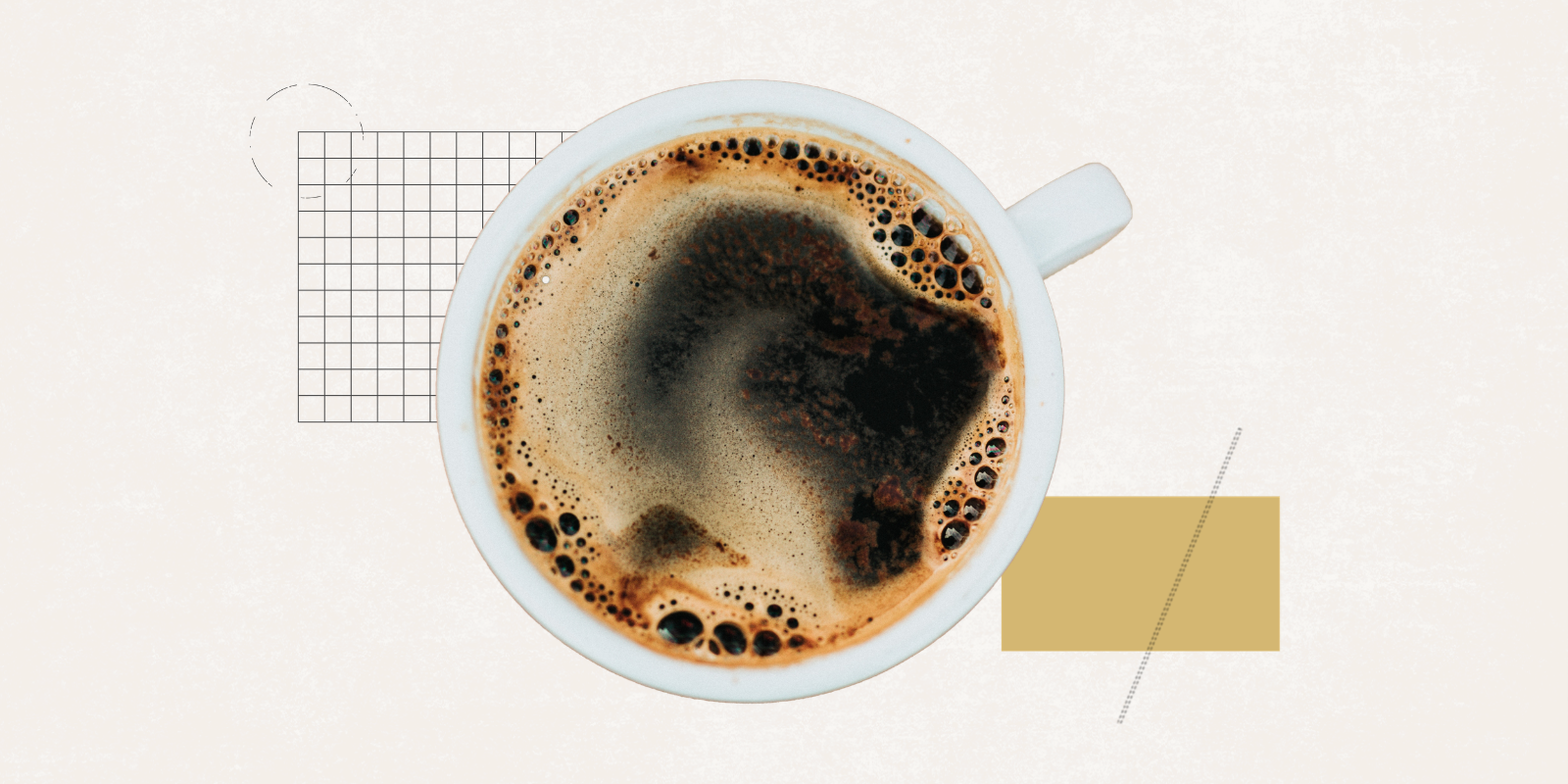
Consuming up to five cups of caffeinated coffee per day, about 400mg of caffeine, is safe for most adults and linked to some cardiovascular health benefits, according to a new scientific statement from the American Heart Association.
The announcement is part of a growing consensus that coffee, the main source of caffeine in most research studies, can be part of a heart-healthy diet and is linked to lower risk of type 2 diabetes, heart disease, stroke heart failure, and some irregular heart rhythms.
For many patients of University of Colorado Anschutz cardiologist David Kao, MD, associate professor of medicine, that’s excellent news.
“I’ve had patients hug me in clinic when I tell them they don’t have to cut back on their coffee,” he says. “Having coffee in the morning is part of so many people’s routines and ends up being a daily ritual, so a lot of patients are relieved to hear that they don’t have to stop drinking it or change their daily habits.”
Even so, the relationship between caffeine and the cardiovascular system is complex and there’s still much to learn.
Kao, the Jacqueline Marie Schauble Leaffer Endowed Chair in Women’s Heart Disease at the Ludeman Family Center for Women’s Health Research, says it’s important to consider the source of caffeine, but for coffee lovers, there may not be any reason to change daily consumption habits.
Cardiovascular research
Not all caffeine intake is equal. While the scientific statement concludes that 400mg of caffeine in coffee is safe and can be beneficial for the average adult, cardiologists and health researchers caution that other caffeinated beverages— such as energy drinks and shots — could be harmful and should be avoided because they may increase risk of high blood pressure and irregular heart rhythm.
Adding sugar, milk or cream, or flavored syrups, may likely reduce the potential benefits of caffeinated coffee, researchers say. However, there’s a need for more research.
In 2017, Kao and colleagues at the CU Anschutz School of Medicine conducted research showing drinking coffee is linked with reduced risks for heart failure, stroke, and coronary disease. Their review of data, collected in the Framingham Heart Study, found that every extra cup of coffee consumed per day reduced heart failure by 5% and stroke by 6%.
Since that research paper published, more studies have indicated there may be health benefits, including protecting cognition long term.
As energy drinks and other caffeinated beverages grow in popularity, Kao says there’s an opportunity to dive in further to the relationships between caffeine and health and what about the compound seems to be impacting various aspects of health.
Change isn’t necessary for most
When a person consumes a cup of coffee, the caffeine is metabolized by the liver. The effects of the mild stimulant are short lived, typically less than about an hour, Kao says. “But people drink a lot of coffee, so sometimes you can sort of re-up those impacts relatively frequently.”
That’s why it’s important for research to separate the caffeine from the vehicle by which it’s consumed. Some research has suggested that caffeinated coffee — black with no sweetener or additives — may reduce insulin sensitivity short term, but it’s unclear whether that’s because of the caffeine or other compounds found in coffee.
In researching the effects of cholesterol, researchers have found that cafestol, which is found in both caffeinated and decaffeinated coffee, is associated with ‘bad’ cholesterol, but seems to disappear when the coffee is brewed with paper filters or instant coffee. More research is needed there as well to better understand the potential relationship.
Overall, the main takeaway from the American Heart Association statement and from various research studies, Kao says, is for most people, daily coffee consumption isn’t a problem and daily habits, and morning rituals don’t need to be altered to improve health.
“I think all we can say right now is that you don’t have to change what you’re doing when it comes to coffee and tea,” he says.