Growing numbers of researchers at the University of Colorado Anschutz are taking advantage of a powerful tool that lets them comprehensively study cellular disease processes in body tissue samples.
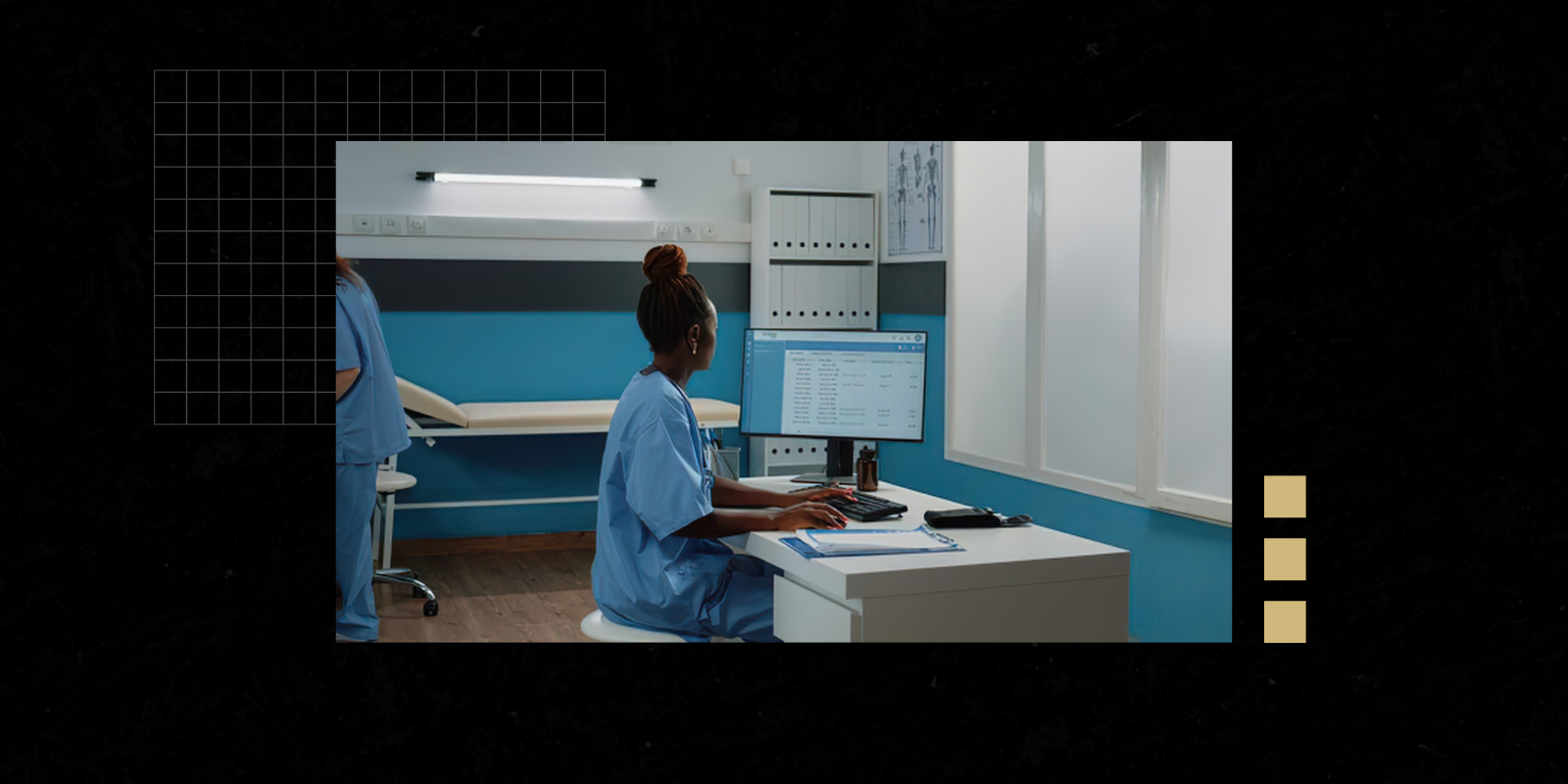
RefinedScience, a company created by CU Anschutz Innovations and UCHealth, provides a unique platform that integrates biobank tissue samples with patients’ clinical records, AI analysis tools, and expertise from the university’s accomplished faculty. So far, the company has focused primarily on studying cancer and autoimmune conditions, but officials said it could expand to other disease types. All clinical patient data is secure and compliant with applicable regulatory, privacy and ethical standards.
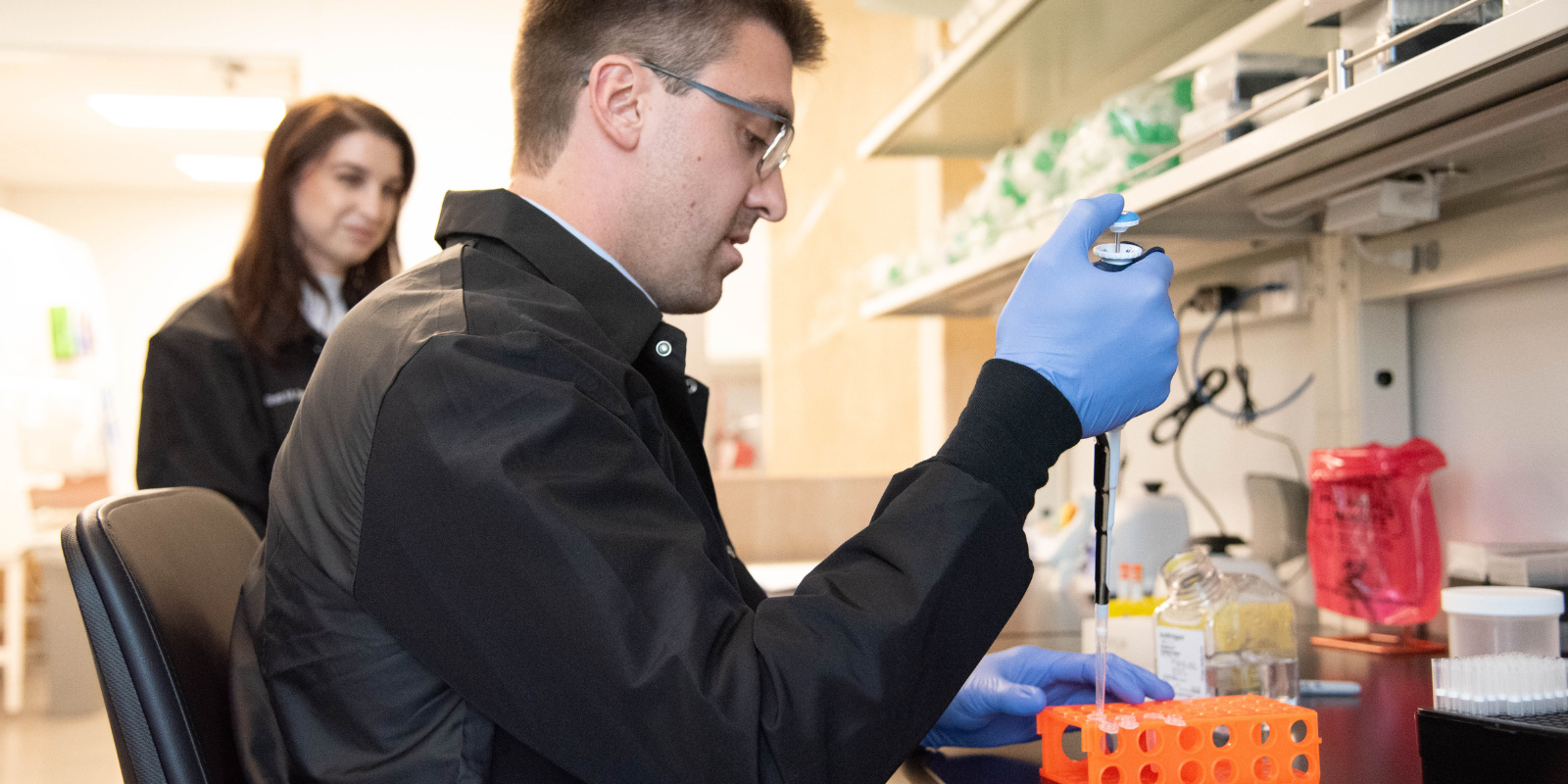
Technicians start by pulling samples of tissue from campus tissue banks and matching each sample with corresponding clinical data in the RefinedScience lab. This one-to-one integration creates versatile, multi-omic data sets for researchers.
Integrating the tissue samples and clinical data in this way helps researchers in the CU Anschutz School of Medicine and elsewhere on campus discover new drug targets, identify biomarkers, test potential drugs, and improve designs of clinical trials.
Using data to fight ovarian cancer
History of RefinedScience and Its Connection to CU AnschutzRefinedScience is a Colorado-based company with the goal of improving drug discovery and development by helping researchers make more informed decisions by connecting real-world patient data with cutting-edge biological research. RefinedScience’s first-ever data set focused on acute myeloid leukemia (AML). Adjoint Professor Clay Smith, MD, and Professor Craig Jordan, PhD, spearheaded that effort. Brett Atwood, president of RefinedScience, says when Smith first introduced him to the concept of cell multi-omic sequencing, the idea immediately piqued his team’s interest. “We loved the idea, and we co-invested with the university to build up that first AML data set,” says Atwood. “From a data set perspective, we get a very high-resolution look at a patient's tumor or disease, and we can separate that out at the single-cell level.” Today, the RefinedScience team has grown to roughly 40 people, consisting of both university academics and industry professionals. It has expanded its capabilities by combining clinical records, tissue samples, and molecular data to create datasets that support research in diseases such as acute myeloid leukemia, pancreatic cancer, rheumatoid arthritis, and other complex conditions. |
Benjamin Bitler, PhD, is a professor and researcher in the CU Anschutz Department of Obstetrics and Gynecology and member of the CU Anschutz Cancer Center, who says RefinedScience has been instrumental to his research on ovarian cancer. Bitler leads the Gynecologic Oncology Research Group in close collaboration with practicing physician-scientists in the Gynecologic Oncology Division.
Today, Bitler and the Gynecologic Oncology Research Group are working on building the world’s largest single-cell platform transcriptomic data set for ovarian cancer — an effort that’s been underway for nearly a decade. They’re aiming to have the first iteration of this extensive and annotated data set complete within the next year.
The goal of the ovarian cancer data set, Bitler says, is to gather a huge amount of ovarian cancer tissue data on a single sequencing platform and combine it with longitudinal clinical information. Most previous studies have either examined a small number of tumors annotated with extensive clinical data or a larger number of tumors with less clinical information.
Clinical data captured by the Gynecologic Oncology Research Group includes age, location, smoking status, family cancer history, response to chemotherapy, disease progression during treatment, and molecular testing results. RefinedScience enhances this dataset by making it more feasible to collect this data, safely and privately link it to tissue specimens, and search for patterns.
“Not only will we have the robust sequencing data, but when you pair it with the clinical data, now all of a sudden you have a dataset that you can ask questions of,” Bitler says. “In a smaller, less annotated dataset, you could only potentially pick out signals of things that were having major effects because of the sample size being so low.”
Bitler says that because RefinedScience is connected with CU Anschutz and UCHealth, accessing electronic medical records, with patient consent, is straightforward and will allow the team to develop a more thorough clinical understanding in a shorter time.
Giving patients ‘a fighting chance’
The Gynecologic Oncology Research Group is focusing on ovarian cancer because it’s one of the deadliest gynecologic cancers. It’s curable when discovered early, but too often, ovarian cancer isn’t diagnosed until it has already spread to other parts of the body and is much harder to treat. It also can recur in patients who have previously recovered from it.
Some of the team’s research goals include working toward earlier detection of ovarian cancer, uncovering what causes the cancer to recur in some people, searching for new drugs to treat it, and exploring why some types of ovarian cancer resist both chemotherapy and immunotherapy.
For Bitler, the decision to study cancer was personal. After losing his mother to breast cancer at a young age, he began studying breast cancer and women’s health in graduate school. He later fine-tuned his focus after learning that research into ovarian cancer lagged far behind other types of cancer. Because ovarian cancer is less common than some other cancers, patient sample sizes are often too small for large-scale research studies.
“I hope we can move toward detecting this disease early and eradicating it, giving patients a fighting chance,” he says. “Research is working! There have been meaningful, dramatic shifts in how we think about this disease over the last decade, and we’re starting to see some of that in patient outcomes. But there's still work that needs to be done.” And the Gynecologic Oncology Research Group, consisting of talented physicians and biomedical trainees and closely aligning with RefinedScience, is poised to get the work accomplished.
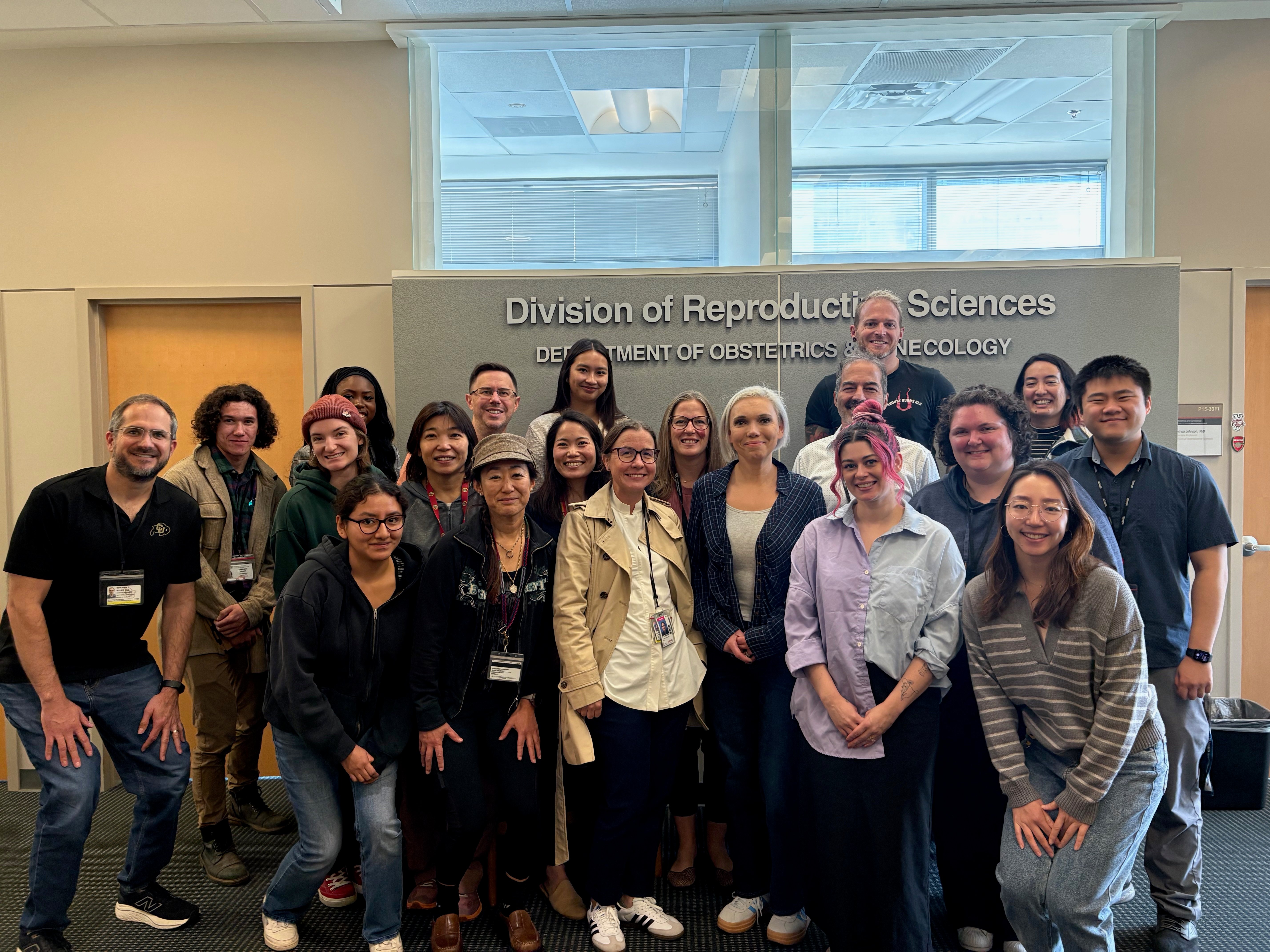
Researchers in the Gynecologic Oncology Research Group
Bitler is one of numerous researchers on campus who have been utilizing RefinedScience services. Andrew Kent, MD, PhD, a leukemia and stem cell transplant specialist and assistant professor of hematology, says RefinedScience has made him a stronger scientist.
“Working with RefinedScience has been a deep, mutually beneficial collaboration,” he says. “Through working with RefinedScience, I have learned so much about how to assemble and use clinical data for hypothesis generation, and about the power of merging that clinical insights with comprehensive biological data for drug discovery and therapy design.”
Kent adds that the RefinedScience model, which merges science with business, has helped ideas progress to clinical trials and new treatments for patients.
“RefinedScience's openness to ideas and willingness to collaborate has allowed projects born from the purely academic side to take flight,” he says. “What I have learned about the bedside-to-bench-to-bedside process embodied by RefinedScience applies to all aspects of my career going forward, and it has given me practical knowledge I would not have garnered otherwise.”
RefinedScience is available as a resource for faculty and researchers on the CU Anschutz campus.