Clinical trials are the final, crucial gateway to regulatory approval for new medical treatments. These treatments can radically change patients’ lives for the better, but the road leading up to that point is not always a smooth one.
Tricky logistical challenges can bog down trials and cause them to drag on, delaying potential treatments from entering the market. In ophthalmology, clinical trials are notoriously difficult to run because researchers frequently struggle to recruit the minimum number of patients needed for their studies.
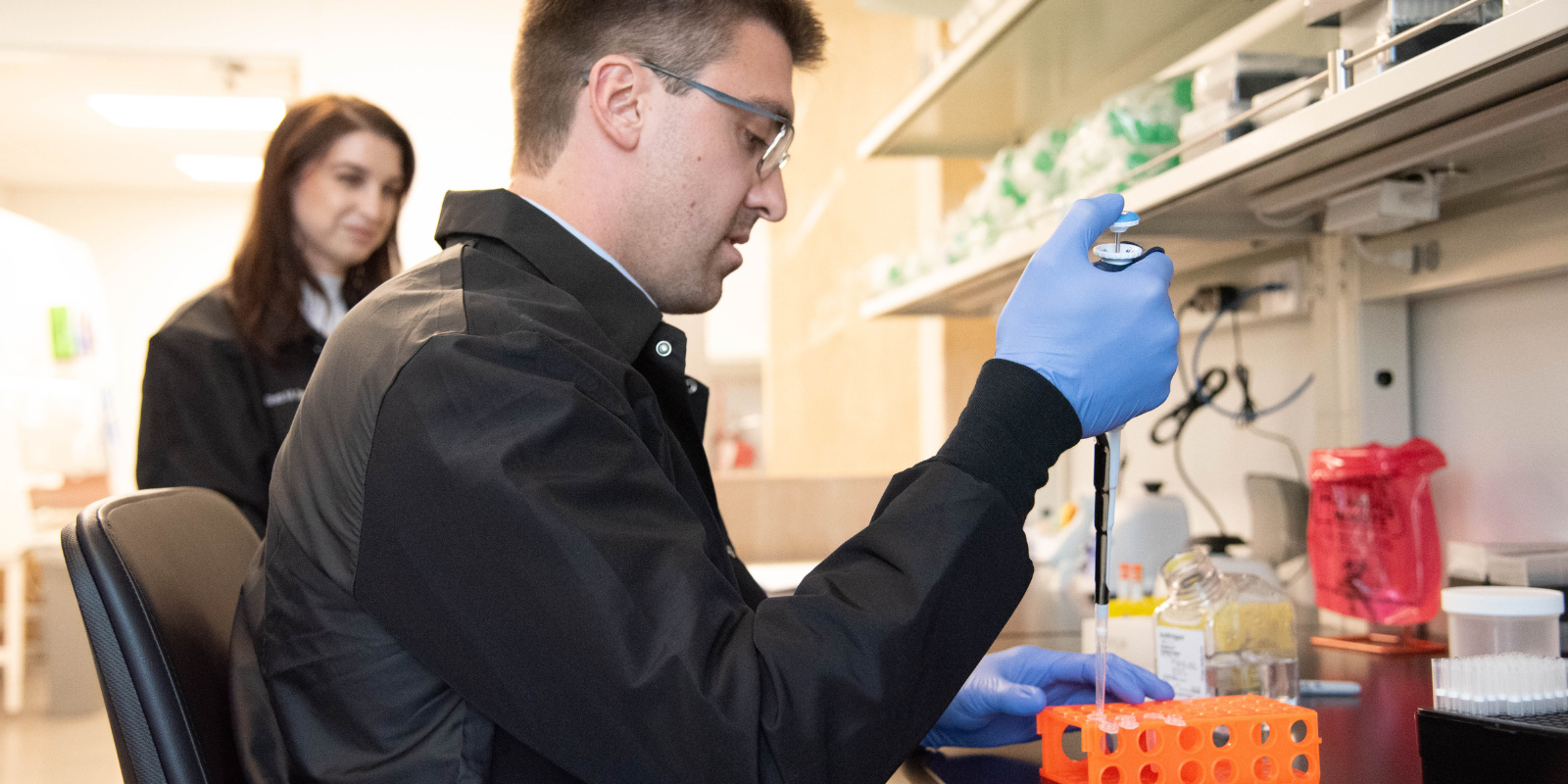
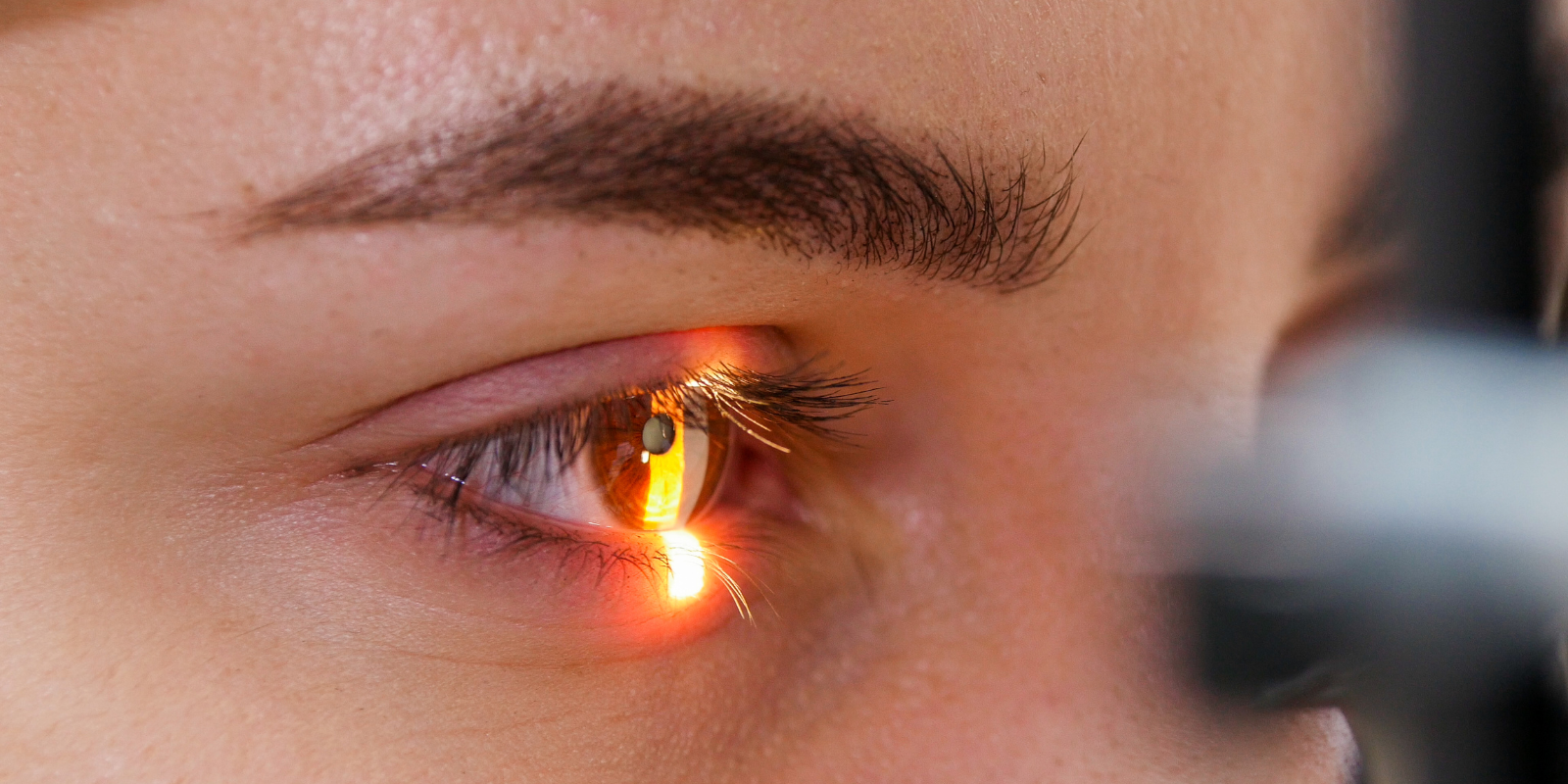
A group of University of Colorado Anschutz Department of Ophthalmology researchers who study retinal disorders has created a new AI tool designed to quickly find and reach the patients who qualify for their clinical trials based on retinal imaging.
Patients with these disorders must meet stringent imaging criteria to participate in clinical trials. The AI tool could save researchers immense amounts of time spent searching for just the right patients, according to Niranjan Manoharan, MD, associate professor of ophthalmology in the CU Anschutz School of Medicine.
“We basically looked for a way to find clinical data in the electronic health record to see who meets our criteria and then marry that data with imaging AI tools that our group has built,” he says. “Now, we can find these diamonds in the rough.”
All clinical patient data is secure and compliant with applicable regulatory, privacy and ethical standards.
Challenges recruiting for ophthalmic clinical trials
Worldwide, patient recruitment presents a major challenge for ophthalmology researchers for numerous reasons. It often takes specialized equipment and diagnostics to detect ophthalmic conditions, and these aren’t always easy to access. Additionally, patients with a specific type of eye condition may be spread across different geographic areas, or they may have visual impairments that make it harder for them to navigate transportation, attend appointments, and physically participate in a clinical trial.
For Manoharan and his fellow researchers, having specific criteria for patients to meet makes it even harder to recruit patients. He says it’s challenging for primary health care providers to keep such a long list of criteria in mind and evaluate patients on the fly to see if they might qualify for one of the group’s trials.
“Eventually, these kinds of studies fall off the top of people's radars,” says Manoharan, who also serves as director of informatics at the Sue Anschutz-Rodgers Eye Center.
The pool of potential trial participants for these researchers is small. And when those rare patients get missed, it may take a long time to reconnect with them due to the nature of the clinical trial cycle. It can be easy to simply lose track of these patients.
Clinical trials in general require a minimum number of patients in order to assess whether a treatment has a measurable, statistically significant effect. There are also typically strict regulations requiring new drugs to be tested on a minimum number of patients. For a new drug to be approved in the U.S., scientists need to test the drug on anywhere from 250 to 1,000 patients, depending on what phase the clinical trial is in. It can take years to find that many patients for ophthalmology studies.
That’s why an AI tool to identify these “diamonds in the rough” could be so impactful. The researchers spent years developing a process for pulling in clinical data and imaging from patients who opt in, then using the new imaging AI tool to filter out the patients who don’t meet the group’s criteria.
The tool was developed by a large research team, including Manoharan, led by Jayashree Kalpathy-Cramer, PhD, professor and chief of the CU Anschutz Division of Artificial Medical Intelligence in Ophthalmology. The team received funding and commercial project development support through the CU Anschutz SPARK program, managed by CU Anschutz Innovations.
Using AI to accelerate ophthalmic research
Manoharan has been the principal investigator on several patient studies of geographic atrophy, a condition that occurs in the later stages of dry age-related macular degeneration (AMD). In AMD, the macula — a specialized part of the retina — starts to deteriorate, which gradually causes effects such as blurred vision and difficulty reading. With no cure and limited treatment options, AMD is the top cause of vision loss of people over age 50.
Manoharan and fellow researchers were only able to recruit five patients across three studies over the course of five years, and they eventually paused the studies. Now, armed with the new AI tool and updated screening process, the researchers are trying another geographic atrophy study and have recruited five patients and counting in a matter of a few weeks.
“We started contacting patients identified by the new AI tool and almost immediately reached our recruitment goal,” he says. “We were very excited.”
Manoharan says the group is currently piloting the technology with several external partners and working on commercializing the AI product with support from Innovations. Looking forward, he’s hopeful that the AI tool can speed up ophthalmic research by making it much easier to recruit patients for trials. Faster enrollment brings sight-saving therapies to patients sooner and spares them failed screening visits. The development costs it saves can ultimately be reflected in what patients pay.
“If we can accelerate drug approval timelines by months or years, we can get a lot of these drugs to the finish line much sooner,” he says. “If you're spending two or three years on a study only to not recruit enough patients, that costs everybody a lot of money. With this, not only are we saving costs, but we're also hopefully getting drugs approved much faster to treat patients.”