September 2016 marked a big milestone for diabetes care. That year, the U.S. Food and Drug Administration approved the Medtronic MiniMed 670G, the first commercially available hybrid closed-loop system, often called the “artificial pancreas,” for outpatient use in people with type 1 diabetes who need insulin therapy to live.
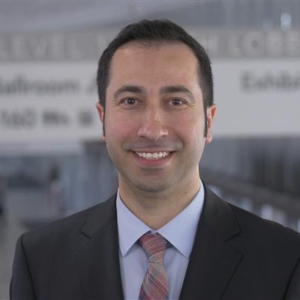
For Halis Akturk, MD, associate professor of pediatrics and medicine at the University of Colorado Anschutz School of Medicine and medical director of the adult diabetes division at the Barbara Davis Center for Diabetes who had just started his first job as an endocrinologist following fellowship training, it was also a foreshadowing of what was to come in the world of diabetes technology — rapid improvement in devices and a lack of opportunities for new endocrinologists to learn them.
So, Akturk set out to create his own program that would meet the needs of trainees who were about to embark on a career of taking care of patients with diabetes, just as he had two years earlier. In 2018, Akturk, with the help of an internal grant from the Barbara Davis Center Adult Clinic, put on the inaugural Diabetes Dialog, a free program designed to educate adult endocrinology fellows.
In eight years, the program has trained more than 200 from around the country and helped them better understand new developments in diabetes care while offering hands-on experience with new technologies, insulin pumps, and continuous glucose monitors and hybrid closed-loop systems.
Opportunities to be at the forefront of care
Diabetes Dialog welcomes 40 fellows to the conference each year but regularly receives more than double the number of applications.
“I chose to focus this conference on fellows because these trainees don’t yet have a requirement for continuing medical education credits and therefore don’t often have the funds to partake in something like this and because these fellows are about six months away from officially beginning their careers in caring for patients with diabetes,” Akturk says. “They need this information to be the best clinicians they can be.”
Device companies underwrite and help fund the program — which is completely free to the participants — but don’t have a say in any of the content of the three-day training. Akturk says the goal is for the fellows to be fully emersed in learning the technology.
“We get the pumps and other devices donated, and I request 40 of each so that every trainee can see how they work and practice them,” he says. Even during the COVID pandemic, the program continued with “gift boxes.” Akturk packed each one to send to participants so that they wouldn’t lose the interactive aspect of the conference.
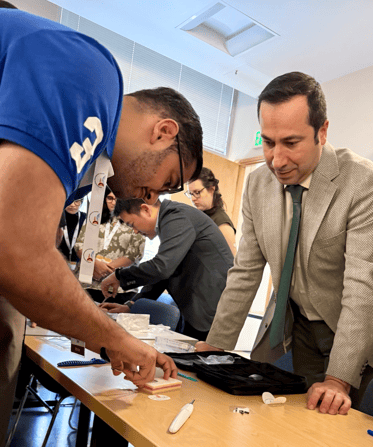
Halis Akturk, MD, right, oversees a fellow at the Diabetes Dialog conference, which welcomes 40 participants each year. Photos courtesy of Halis Akturk.
Patients with diabetes often rely on managing their blood sugar with the help of portable and wearable technology. However, setting specific parameters for many devices requires some specialty training. As technology evolves, so does the need to learn and understand it.
“When we started this program there was only one device for automated insulin delivery, but I saw the future and knew what was ahead,” Akturk says. “Today, we now have four glucose measuring devices approved by the FDA and about seven different automated insulin delivery systems. We must be at the forefront of this technology.”
Education in a time of need
Despite mounting interest in the program, Akturk and his colleagues have decided to keep the number of trainees at 40 for now so the program can remain highly focused on hands-on training.
No fellowship program outside of CU Anschutz can send more than one of their fellows, even as some have up to four or five fellows apply. The goal is to be able to disperse resources appropriately, and Akturk hopes that fellows can return to their institutions and help teach and train their peers.
This is especially critical amid a shortage in endocrinologists and diabetes care specialists across the country. A 2022 study found that there about 8,000 active endocrinologists in the U.S., “which amounts to 41,460 individuals in the general population who may receive potential care by each endocrinologist.”
The reality is that most patients with diabetes receive care from a primary care doctor.
“There’s absolutely nothing wrong with primary care doctors caring for these patients, but when you need a specialist, it can be difficult to access,” Akturk says. “We don’t have enough endocrinologists. There is a huge deficit. But how can we make the ones that we do have as strong as they can be? It starts with training them from the very beginning of their career.”
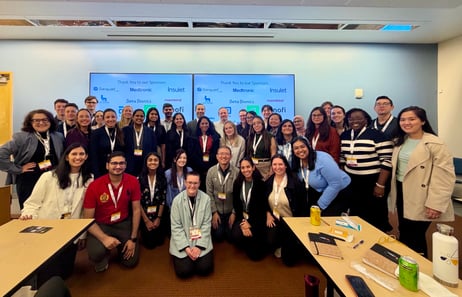
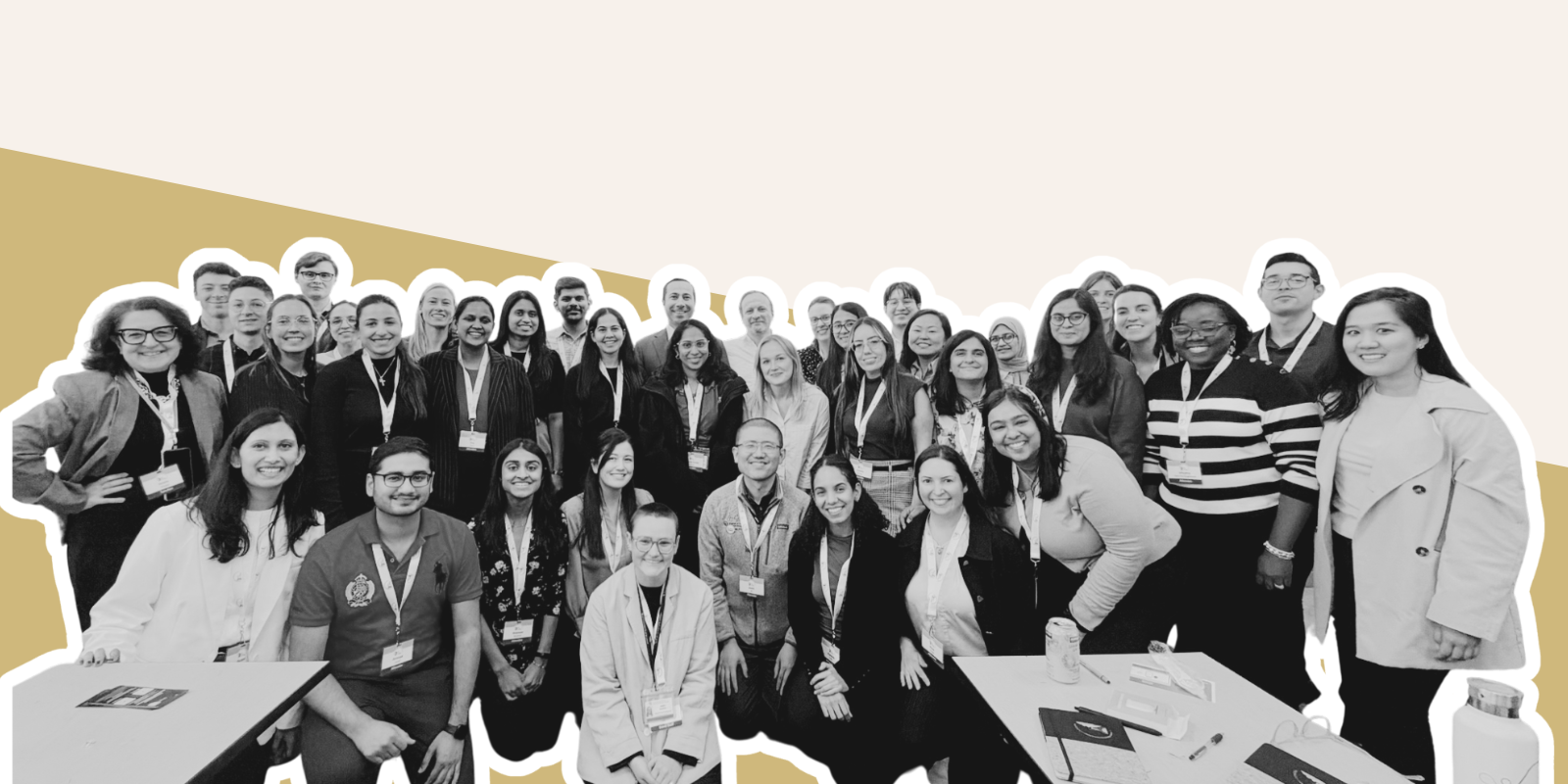
A group of endocrinology fellow at Diabetes Dialog. The program is free to attendees, an important aspect for founder Halis Akturk, MD, so that soon-to-be clinicians can step into their career with the latest knowledge of diabetes technology.
The program is ultimately good for patients, too. The first wave of diabetes device technology was all about automation, now it’s personalization, which is in part due to the rise of artificial intelligence (AI). Understanding that evolution and what’s ahead is vital for the physicians and their patients.
“In starting this program, my goal was always to improve patient care,” Akturk says. “We’re always thinking about how we can improve the patient experience, how the device user can benefit even more from the technology, and how they can live a healthier life.”