
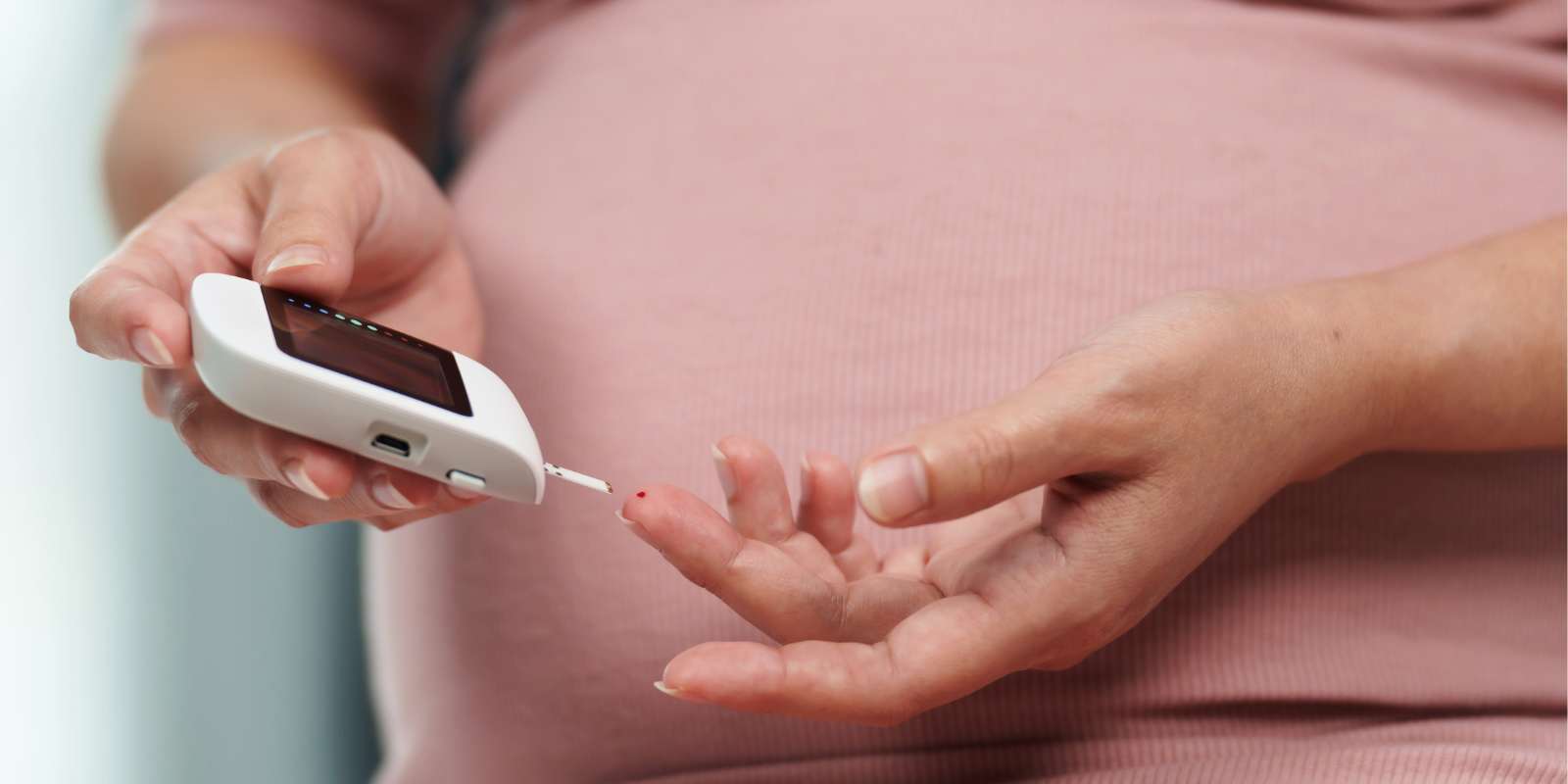
Women with preexisting diabetes should receive proper preconception care and access to emerging diabetes technology to manage blood sugar prior, during, and after pregnancy, according to a new set of guidelines jointly released from the Endocrine Society and the European Society of Endocrinology.
The guidelines, announced in July, were the work of a multidisciplinary panel of clinical experts, including endocrinologist Linda A. Barbour, MD, MSPH, FACP, professor of endocrinology and maternal-fetal medicine at the University of Colorado School of Medicine, who specializes in diabetes in pregnancy.
“At least 2 to 3% of the population of reproductive age has preexisting diabetes. Type 2 diabetes is rapidly increasing and exceeding the prevalence of Type 1 diabetes,” Barbour says. “Almost 40% of the population of women of childbearing age have prediabetes, and as high as 50% of women with gestational diabetes will develop Type 2 diabetes in the next five to 10 years. Many will become pregnant again, never realizing they already have diabetes and that undiagnosed hyperglycemia could increase their risk of birth defects.”
Preexisting diabetes can contribute to serious adverse pregnancy outcomes, including miscarriages and birth defects, which can exceed 25% in patients with poorly controlled diabetes. Both outcomes are largely preventable with good glycemic control at the time of conception. These guidelines aim to ensure patients receive appropriate care and reduce health risks for the mother and baby. They also highlight the need for additional research and investment in preconception care.
Proper care prior, during, and after pregnancy
The new recommendations begin prior to conception to help individuals achieve the healthiest pregnancy possible.
“We went beyond giving guidance at only ob-gyn or endocrine visits and gave recommendations for all individuals who have the possibility of becoming pregnant. Data shows that asking the question and having a conversation about pregnancy intentions at every reproductive visit, every diabetes visit, every primary care visit, even urgent care visits, is extremely important and can dramatically decrease major malformations, preterm birth, miscarriage, unplanned pregnancies, terminations, and adverse pregnancy outcomes for both the mother and her baby,” Barbour says.
The new guidelines suggest:
Screenings: Asking all women with diabetes of reproductive age about their intent to conceive at every reproductive, diabetes, and primary care visit. Preconception counseling that includes optimizing glycemic control and co-morbidities substantially improves pregnancy outcomes.
Delivery: Babies born to women with diabetes should often be delivered earlier — 37 to 39 weeks — based on risk assessment rather than expectant management. Often, maternal and fetal risks associated with continued pregnancy may outweigh those of early delivery.
Medications: Based on limited safety data, women with diabetes should discontinue anti-obesity GLP-1 medications prior to pregnancy so that optimal glucose control with insulin and/or metformin can be achieved given sudden discontinuation of a GLP-1 receptor agonist can cause hyperglycemia and rapid weight regain. Although safe in the first trimester, it is not routinely recommended that metformin be added to insulin in the 2nd trimester in women with Type 2 diabetes due to concerns of fetal growth restriction that may result in a potential increased risk of childhood obesity.
Technology: In individuals with Type 1 diabetes, hybrid closed-loop pumps, in which the insulin is adjusted according to an algorithm using a continuous glucose monitor (CGM), are preferred to insulin pumps without CGM-based adjustments.
Contraception: Providers should recommend and prescribe contraception in women with diabetes when pregnancy is not desired until they are ready to become pregnant.
Barbour and fellow researchers prioritized 10 clinically relevant questions to diabetes and pregnancy and developed recommendations based on available research. Those spanned preconception care, contraception, pregnancy, delivery, and postpartum care.
“It’s crucial to educate providers and patients about diabetes and pregnancy because many women think that they are not able to become pregnant, but more often than not, they do. The result is commonly unplanned pregnancies and unaddressed medical conditions that result in serious risks and adverse outcomes that could have been prevented,” Barbour says.
Those screenings can also lead to meaningful conversations about medications, such as timing and use of GLP-1s, which are currently not approved for use in pregnant individuals.
Most critical is the optimization of glycemic control before 5-8 weeks of pregnancy during which the baby’s organs form and are most vulnerable to the toxic risk of hyperglycemia, when most women don’t know that they are pregnant.
“We observed in one of the randomized controlled trials in women with Type 2 diabetes that adding metformin to insulin in the second and third trimester can cause nutrient restriction and lead to small-for-gestational-age infants in some pregnancies, although it may modestly decrease weight gain and reduce insulin requirements.” Barbour says. “When you give birth to either a small baby or too big of a baby, both babies have higher risks of childhood obesity, especially when exposed to an obesogenic environment after birth.”
Opportunities for further research
The Endocrine Society and the European Society of Endocrinology jointly call for more research to benefit providers, pregnant individuals, and babies.
“The data supporting some of these recommendations were of very low to low certainty, highlighting the urgent need for research designed to provide high certainty evidence to support the care of individuals with diabetes before, during, and after pregnancy,” the panel of researchers wrote in their report published in the Journal of Clinical Endocrinology & Metabolism.
Barbour says there’s especially a need for more implementation science, including investigating how to educate and give providers time to do preconception counseling. Another pressing question is whether there are resources to effectively implement CGM in pregnant women with Type 2 diabetes and what glycemic metrics are required to improve pregnancy outcomes in these patients.
Learning more about how GLP-1 medications impact pregnancy is also crucial, she adds. “So many women are already using these medications and benefitting from them to achieve a healthier weight prior to pregnancy, which is very beneficial for pregnancy outcomes. However, we have inadequate data about exposure during pregnancy to determine potential risks and benefits. We know that abruptly stopping these agents when pregnancy is discovered often causes marked rebound weight gain and hyperglycemia, but at this time we do not know if lower dosing strategies could be safe during periods of pregnancy.