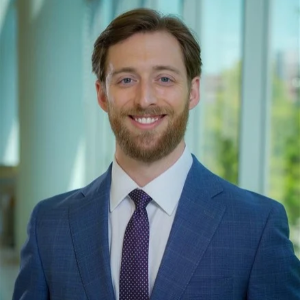
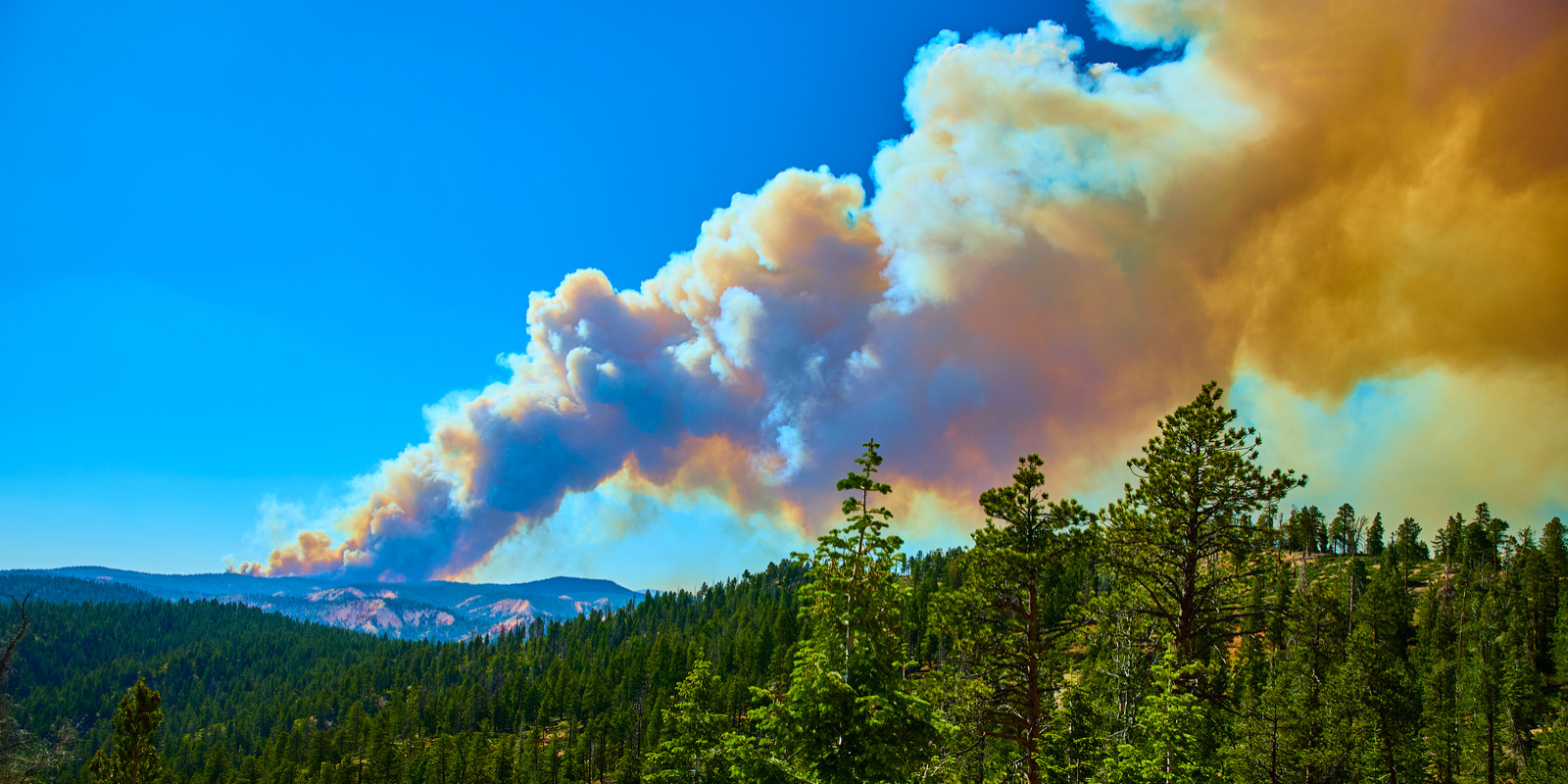
Logan Harper, MD, saw the Oregon skies fill with dense dark wildfire smoke while more than 1 million acres burned across the state in 2020 during his medical school training.
“At that time, we had the worst air quality of any major city in the world, and I was going to the ICU every day watching COVID patients on ventilators get this toxic air pumped into their lungs because the hospital ventilation system was insufficient to keep the smoke out of the air,” Harper recalls. “I knew in that moment that climate change would continue to be a massive public health crisis and that it would impact my practice no matter what specialty I chose.”
Now, the assistant director of the Climate and Health Science Policy Fellowship and assistant professor of family medicine at the University of Colorado Anschutz School of Medicine, has found a place in medicine that he says is ripe with opportunity to help address climate change and the ways it impacts human health.
“Family medicine is all about an ounce of prevention beats a pound of cure. We spend a lot of time thinking about how to keep patients from getting sick before it's too late, before we must admit them and treat them with expensive, unpleasant, prolonged, and sometimes unsuccessful interventions,” he says.
“The same thing goes for our society. If we can prevent wildfires from getting worse, if we can reduce the air pollution, if we can build neighborhoods that protect people from heat exposure, we're going to keep people from getting sick and make our society healthier,” he continues.
Climate affecting health
The wildfires that Harper experienced in Oregon in 2020 revealed in real time the ways climate and health often intersect.
The Centers for Disease Control and Prevention reported that the state experienced a 25% increase in people seeking care for asthma-like illness during the fires. These types of illnesses, and even death, are becoming more common as climate change accelerates.
In the United States, 41,380 excess deaths are attributed to wildfire smoke annually, which is expected to increase and deaths directly attributed to heat more than doubled from 1,100 in 1999 to more than 2,300 in 2023, and researchers expect to this trend to continue.
Longer and more intense wildfire seasons driven by climate change now expose 2.18 billion people worldwide each year, Harper writes in a new American Family Physician article along with Bhargavi Chekuri, MBBS, MD, who is also CU Anschutz family medicine faculty member.
“Warmer temperatures also worsen air quality by accelerating the formation of ground-level ozone, a harmful pollutant that is the primary component of smog,” they write in the article. “Climate change leads to higher concentrations of PM2.5 through drought-related dust and heat waves that raise energy demand, leading to more fossil fuel use. Climate change also contributes to longer and more intense pollen seasons across the United States that worsen the burden of allergic airway disease (e.g., rhinitis, hay fever, asthma, COPD).”
For physicians like Harper, these events can lead to more patients with climate-related conditions landing in their clinics, so, education, preventative measures, and helping address the root causes of climate change are vital.
Patient education
Nearly every area of medicine is being affected by climate change, Harper says, “Whether you're a psychiatrist, a geriatrician, or a nephrologist, you are going to see patients impacted by climate-related health harms, probably every week, if not every day.”
Family medicine, however, is often the first touch point for many patients. Visiting a family doctor provides opportunities for education and counseling, particularly to issues related around climate change, Harper says. This includes diet, illness prevention, heat risk, and even creating individualized disaster plans.
“Air pollution is a big one,” he says. “It negatively impacts every organ in the body, so counseling patients on managing their exposure to air pollution, whether it's indoor air or outdoor air, is vital to prevent the progression of air pollution-related diseases, which include cardiovascular disease, lung disease, stroke, dementia, negative birth outcomes, and, well, the list goes on.”
Climate negatively affecting health isn’t just an issue on smoky days during wildfire season. Harper points to Denver’s notorious and chronic “brown cloud,” a haze of pollutants that hang over the city because of temperature inversions. Communities that endure this pollution are most often vulnerable and have a higher risk of developing health complications.
Fortunately, there are more tools today to help family medicine physicians when it comes to climate-related conditions, Harper says, and there are more initiatives drawing attention to climate-smart health care.
“What is good for human health generally is also good for climate and the environment, and that's the key take-home point here,” Harper says. “If you have an ability to bike to work, walk to work, or take the bus to work, which involves walking, you are probably improving your cardiovascular health. At the same time, you’re shrinking your carbon footprint and you’re limiting the number of harmful pollutants into your community.”
Resilient primary care
When clinics and physicians take climate into consideration, it can be a win-win-win, Harper says. Reducing overuse, such as low-value imaging, excessive and unnecessary prescribing, or unnecessary office visits can benefit individual patients, the community, and environment.
Education and training are also an important pieces of finding better climate-smart health solutions now and in the future.
"Our overarching goal at the Climate and Health Science Policy Fellowship is to elevate physicians as leaders at all levels of climate policymaking because they are among the most trusted and effective messengers on the science of climate change,” Harper says. “Ultimately, we believe physician leadership results in faster reductions in greenhouse gas emissions and reduce global warming, while simultaneously reducing the health impacts of climate change by centering the wellbeing of people and communities in climate policymaking.”