

The National Academy of Medicine (NAM) announced the election of four University of Colorado Anschutz School of Medicine faculty members to its membership Oct. 19.
Being elected to the Academy is one of the highest honors in health and medicine. Each year, 90 new regular members and 10 international members are selected by current members for demonstrating excellence in professional achievement, commitment to service, and making strides to advancement of medical sciences, health care, and public health.
The School of Medicine faculty members elected to NAM this year are:
- Vikhyat Bebarta, MD
- Lilia Cervantez, MD, MCSC
- Lauren Hughes, MD, MPH, MSc, MHCDS, FAAFP
- Matthew Wynia, MD, MPH
“I am incredibly proud to see four faculty members elected to the National Academy of Medicine this year,” says John H. Sampson, MD, PhD, MBA, dean of the School of Medicine. “Drs. Bebarta, Cervantes, Hughes, and Wynia embody the spirit of discovery and service that drives our institution. Their election is a testament to the excellence we are building across our school as we pursue our Top 10 in 10 vision.”
The four new members represent a range of expertise, including military medicine, public health, health equity, and family medicine. Their work at the CU Anschutz School of Medicine and beyond lays the foundation for impactful research, exceptional patient care, and transformative education.
This year’s elections bring the total number of School of Medicine faculty members in the Academy to 19.
“I also want to recognize Tracy Bale, PhD, professor of psychiatry and The Anschutz Foundation Endowed Chair in Women's Integrated Mental and Physical Health Research at the Ludeman Family Center for Women’s Health Research, and David Schwartz, MD, professor of medicine associate dean for translational sciences, for their leadership in fostering a culture where faculty champion the accomplishments of their peers and help bring well-deserved recognition to their work,” Sampson continues.
As members of NAM, the faculty members will help address critical issues in health, science, and medicine and work alongside the National Academy of Sciences and National Academy of Engineering to provide independent and objective analysis to solve complex problems and inform public policy. They will also volunteer their service in National Academies activities.
Vikhyat Bebarta, MD | Department of Emergency Medicine
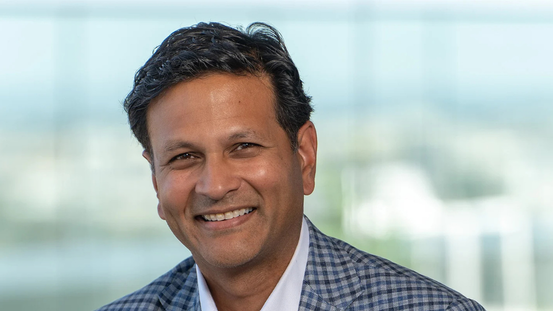
Vikhyat S. Bebarta, MD, is an endowed professor and chair of emergency medicine at the CU Anschutz School of Medicine and founding director of the CU Anschutz Combat Medicine Research Center (COMBAT). A physician-scientist, medical toxicologist, and U.S. Air Force colonel, Bebarta has spent his career advancing emergency and trauma care for military and civilian patients. He has led large-scale research programs funded by the National Institutes of Health and the Department of Defense and authored more than 270 scientific publications, with findings that have changed clinical practice in emergency, trauma, and brain health care across military, veteran, and civilian health systems. Through the COMBAT Center, he has built partnerships across academic medicine, the military, government, and industry to move research into clinical practice. His work has informed national health and defense policy, strengthened military-civilian medical partnerships, and trained the next generation of emergency medicine leaders.
“I'm deeply honored to be elected to the National Academy of Medicine. CU Anschutz and the School of Medicine have created an exceptional environment for research, innovation, and collaboration, and I'm grateful to the colleagues and partners who have made this work possible,” Bebarta says. “This recognition reflects what we've built together. I see this as an opportunity to continue serving by working with leaders across the country to improve health care, shape national priorities, and bring new discoveries into practice.”
Lauren Hughes, MD, MPH, MsC, MHCDS, FAAFP | Department of Family Medicine
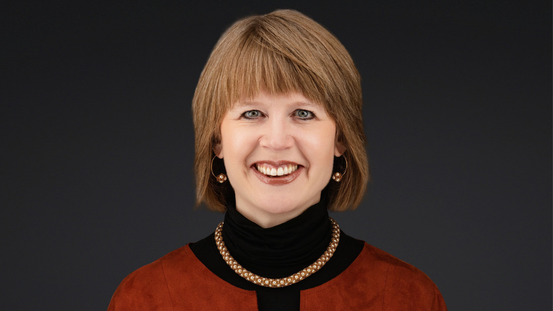
Lauren Hughes, MD, MPH, MSc, MHCDS, FAAFP is a family physician working to change policies and systems in innovative, equitable, and sustainable ways to help marginalized communities thrive. She currently serves as a 2026-27 fellow for the Robert Wood Johnson Foundation Health Policy Fellows program at the National Academy of Medicine in Washington, DC. She is also the state policy director of the Eugene S. Farley, Jr. Farley Health Policy Center and professor of family medicine at CU Anschutz, where she researches how to improve primary care payment and financing, strengthen rural health care delivery, and enhance access to integrated behavioral health services. Hughes previously served as deputy secretary for health innovation in the Pennsylvania Department of Health, helping co-design and launch the Pennsylvania Rural Health Model. From 2023 to 2026 she co-chaired the Standing Committee on Primary Care within the National Academies of Sciences, Engineering, and Medicine, and in 2026 co-published the textbook “Primary Care in a Public Health Emergency: Lessons from the Frontlines of the COVID-19 Pandemic.”
"I am deeply honored to be elected to the National Academy of Medicine and incredibly grateful to my mentors and collaborators throughout the years who have supported my career interests and nurtured me as a leader,” Hughes says. “I look forward to meeting new colleagues and furthering the Academy's mission to inform health policy change that will improve the lives and wellbeing of patients and communities nationwide."
Matthew Wynia, MD, MPH | Department of Medicine
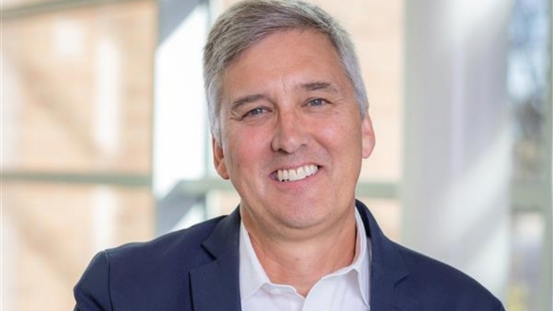
Matthew Wynia, MD, MPH is the director of the CU Anschutz Center for Bioethics and Humanities, where he is a professor of medicine and public health. He is the author of more than 230 published articles and has worked nationally and internationally on issues related to professionalism, ethics, and how health professionals navigate competing roles. He has worked with organizations including the American Medical Association, the National Academy of Medicine, the American Board of Medical Specialties, the Joint Commission, the U.S. Holocaust Memorial Museum and others. He has served on more than 10 consensus committees, forums and working groups for the National Academies, is a member of the Lancet Commission on Medicine, Nazism and the Holocaust, and a fellow of the Hastings Center. He has been president of the American Society for Bioethics and Humanities, chair of the Ethics Forum of the American Public Health Association, and chair of the Ethics Committee of the Society for General Internal Medicine.
“It’s a tremendous honor to be elected to the National Academy of Medicine, especially along with colleagues from the School of Medicine whom I admire greatly,” Wynia says. “With only 90 national members elected each year, it’s especially notable that our school has four, and two from the same department.”
Lilia Cervantes, MD, MSCS | Department of Medicine
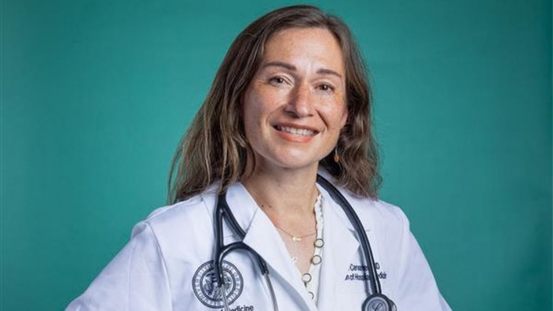
Lilia Cervantes, MD, MSCS, professor of hospital medicine and director of immigrant health is a physician-scientist dedicated to advancing health equity. Her work has transformed care for immigrants with kidney disease through research that bridges clinical medicine, community partnership, and health policy. Alongside patients, families, and community organizations, she helped catalyze Colorado's 2019 Medicaid policy change and informed similar reforms in more than 20 states, expanding access to life-saving care for thousands of patients nationwide. Cervantes leads Research for Change, a community-partnered advocacy and research program that develops and evaluates strategies to improve health care for historically marginalized populations. She currently leads an ABIM Foundation-funded initiative that integrates advocacy into medical professionalism and physician training, serves on the NIDDK National Advisory Council, and the Denver Health and Hospital Authority Board.
"My career began with patients whose suffering was visible every day at the bedside but largely invisible in policy discussions. The patients and families who courageously shared their experiences taught me what questions mattered most and inspired the work that followed,” Cervantes says. “This recognition reflects the power of partnering with communities to generate evidence that can improve lives and inform policy."