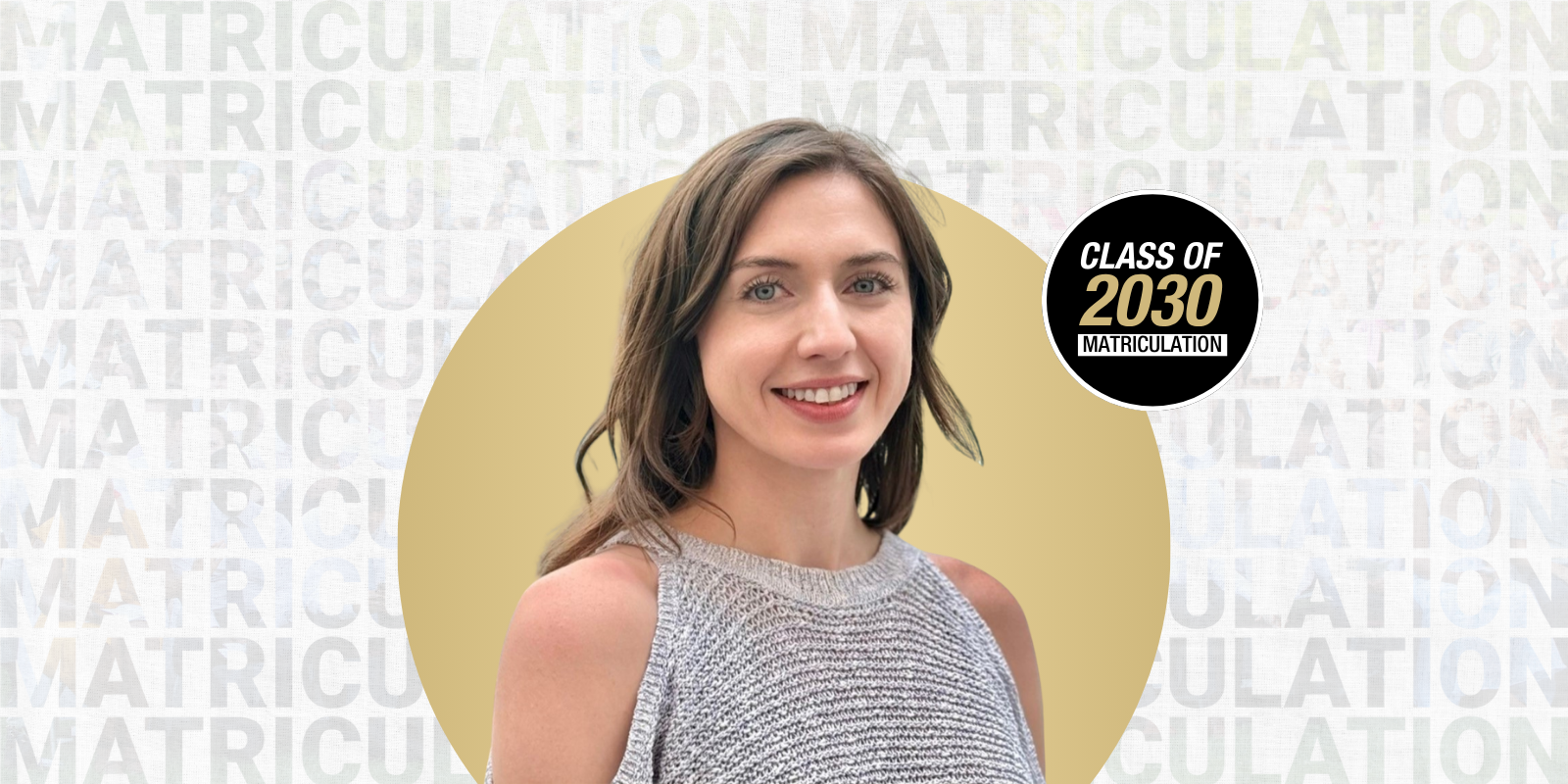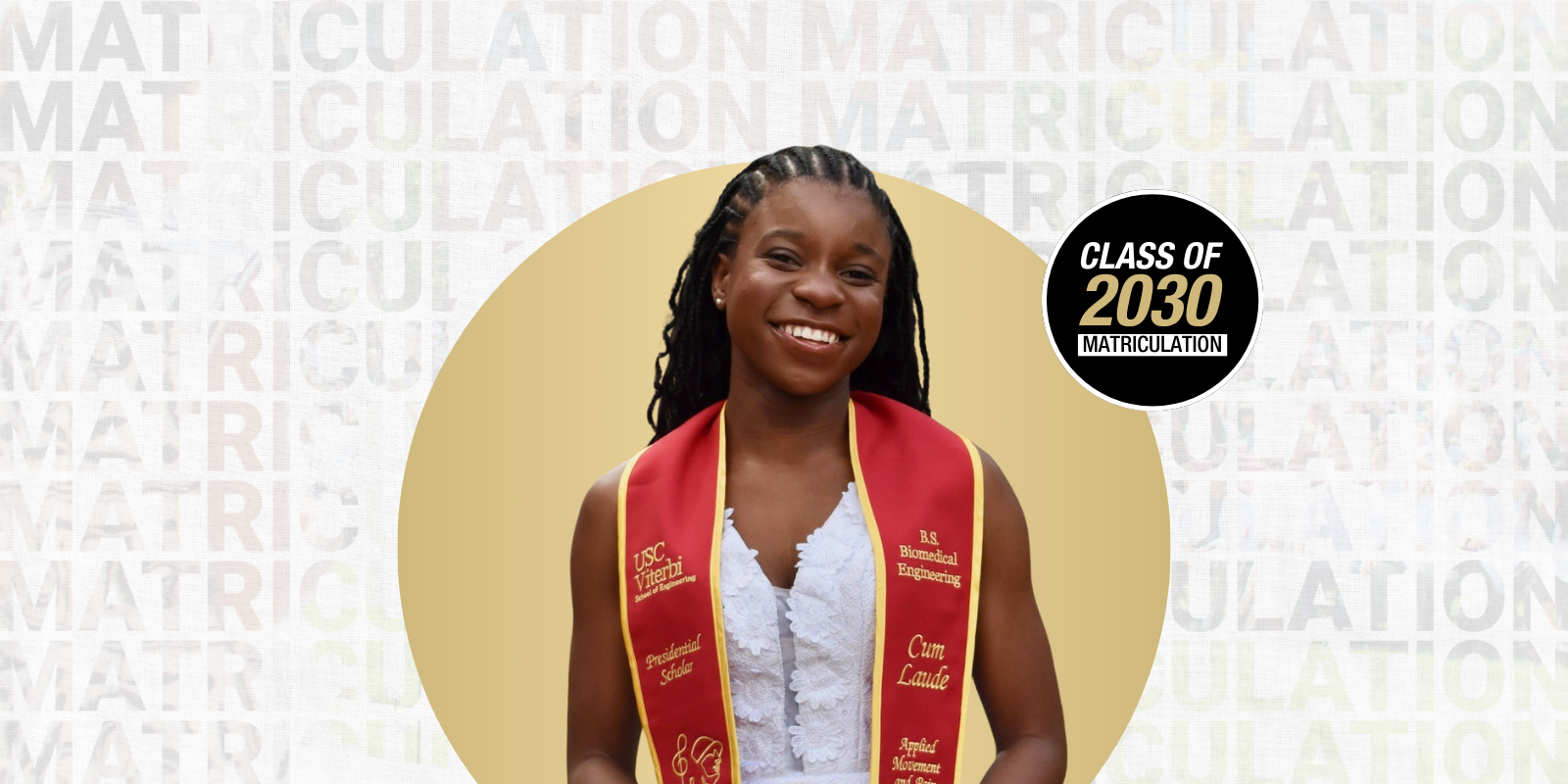
Arike Coker has been an avid athlete since she was young. In middle and high school, she lived and breathed track and field, regularly competing in the 100-meter, triple jump, and long jump events in her hometown of Miami.
A devastating knee injury brought her high school athletic career to a halt for more than a year. But it was her experience recovering from this injury, particularly the care she received from her surgeon and physical therapists (PTs), that inspired her to pursue a career in medicine.
Coker, now 23, is set to start classes this fall at the University of Colorado Anschutz School of Medicine. She and her fellow incoming students will attend the Class of 2030 Matriculation Ceremony on July 24. Although she didn’t always know she wanted to be a physician, she still fondly remembers the care she received years ago and is eager to pay it forward to others in her community.
“It’s a dark recovery process, losing your ability to do everything that was your personality before. You just assume that you’re never going to be the same way again,” she says. “So, having someone be that hope and shine that light was really nice.”
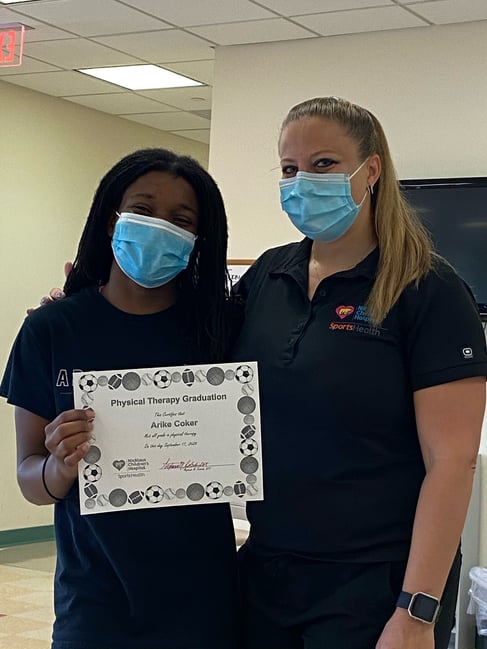
Incoming medical student Arike Coker celebrates her "graduation" from physical therapy with her PT in September 2020. Photos provided by Arike Coker.
Care providers offered hope during a ‘dark’ time
Coker’s life was upended one day in 2019 when she was practicing her long jump for an upcoming track and field meet. A bad landing after one of her jumps left her with a torn anterior cruciate ligament (ACL), a very painful injury that can turn even basic, everyday movement into a challenge. The ACL helps stabilize the knee joint, so when it tears, it becomes much harder to bear weight on that leg.
Recovery typically takes nine to 12 months, and it can be grueling even under the best of circumstances. But the timing of Coker’s injury was especially bad. She underwent surgery in the fall of 2019, and about six months later, while she was still in physical therapy, the COVID-19 pandemic struck, shutting down schools and businesses for months. Coker had to stop going to her appointments for some time, which interrupted and delayed her recovery.
It was not an easy chapter in Coker’s life. Through it all, though, her health care providers gave her much-needed hope and comfort. She said her PTs took extra time and care with her, and they put creativity and thought into finding exercises that were interesting to her, particularly because she was so young (16 at the time). But it was her surgeon that first drew her to medicine.
“There was a time where I couldn’t really walk, I couldn’t run, and I couldn’t jump,” she says. “My surgeon presented a care plan that showed me there’s a future where my life could be better than it was before. I learned that it was not the end of my active lifestyle.”
That optimistic message was crucial for Coker to hear at a time when she felt she had lost a piece of who she was. After nearly a year and a half of physical therapy, rest, and support, she finally felt fully recovered. Coker says she’s gotten back to enjoying an active life, and the leg where she had the surgery now feels like her better leg.
But Coker also credits her recovery to the family and friends who supported her immensely in her day-to-day life.
“It was really nice to have a community around me,” she says. “It reminds you that you’re not going through this alone and everyone is encouraging you. I don’t think I could have done it without their support and encouragement.”
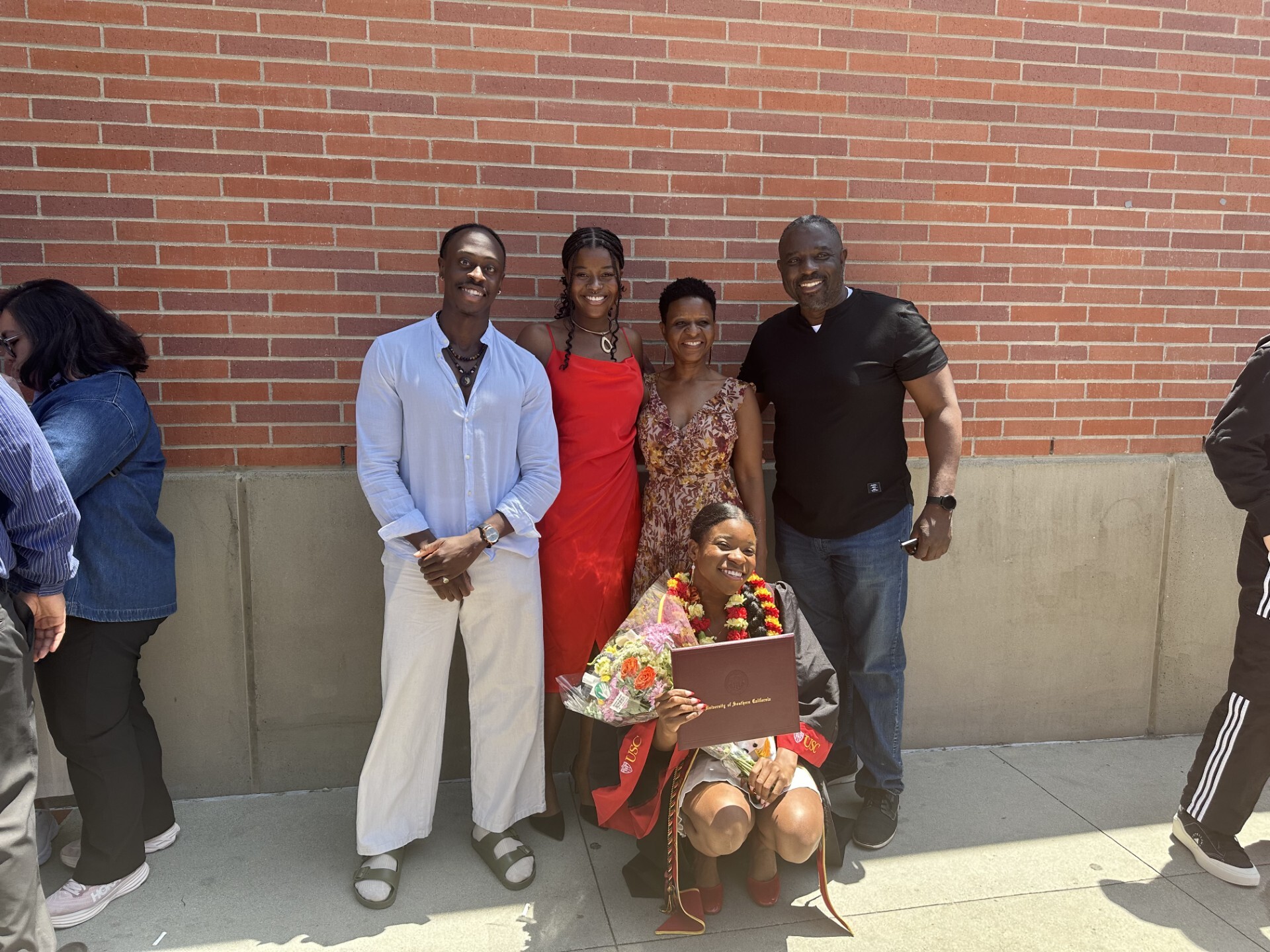
Arike Coker, front center, poses for a family photo at her college graduation. Pictured (from left): Coker's uncle Michael Ogakgole; sister Imani, mother Maria, and father Neye Coker.
Pursuing equitable care in the wider community
By the time Coker graduated from high school, she knew she wanted to become a physician and help others the way her providers helped her. She received her bachelor’s degree at the University of Southern California in Los Angeles, taking undergraduate pre-medicine coursework and becoming an emergency medical technician (EMT) during her time there.
Coker chose CU Anschutz for medical school partly because her sister lives in Colorado, and partly because the state is famously beautiful with ample opportunities to spend time outdoors. She’s a traveler by nature and loves to explore different parts of the country.
But for Coker, one of the biggest draws of CU Anschutz is its Rural Program, which sends medical students to rural hospitals in Colorado to complete their clinical rotations. She feels the program offers a unique way for her to start building her career and skills as a physician in an environment with limited resources.
“Equity in care is something I’ve really been interested in, and I know Colorado does a lot of community outreach,” she says. “I want to be a community physician. And coming to Colorado means I’ll be studying somewhere that helps make me into the physician that I know I want to be.”
.png)