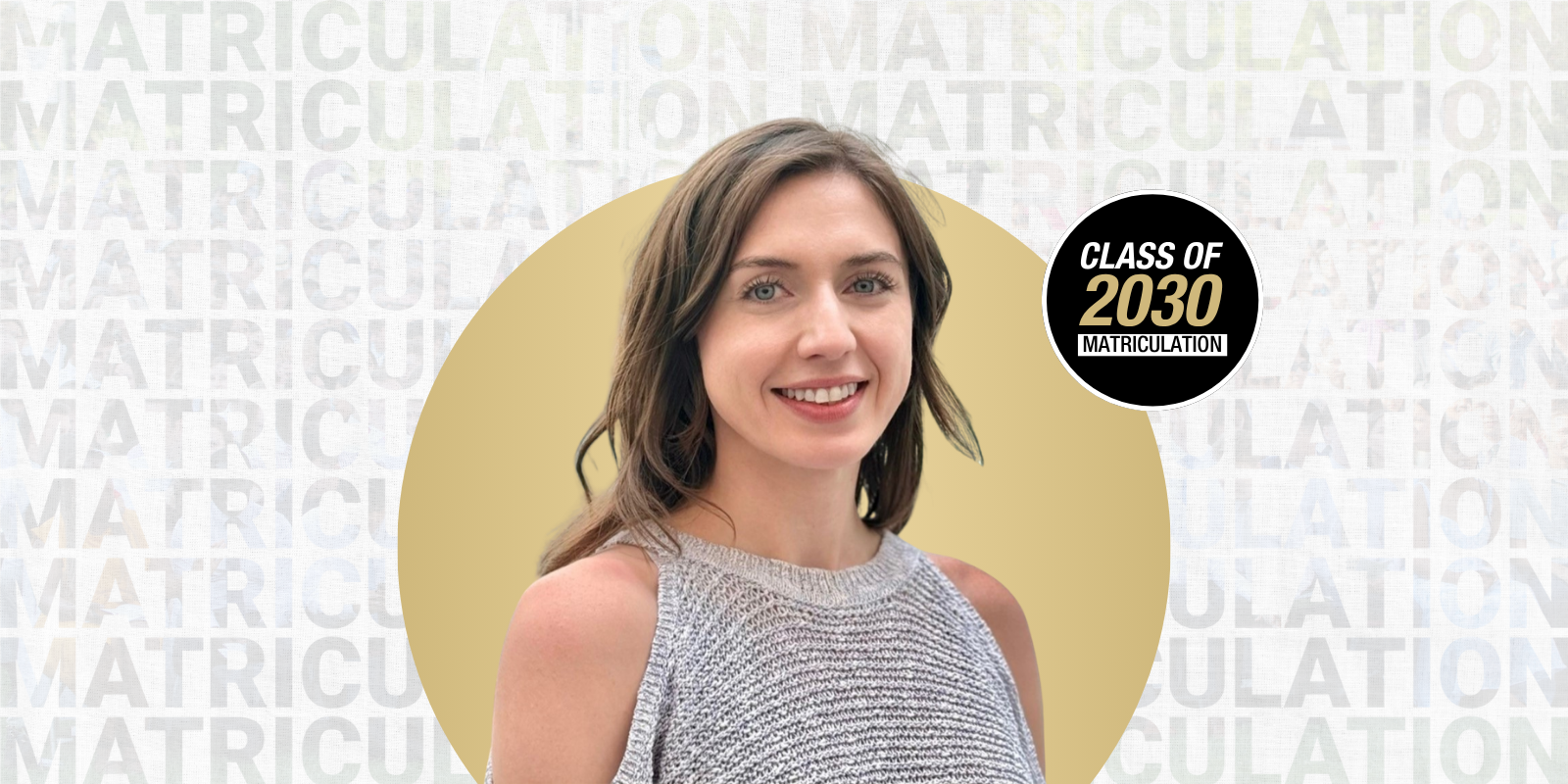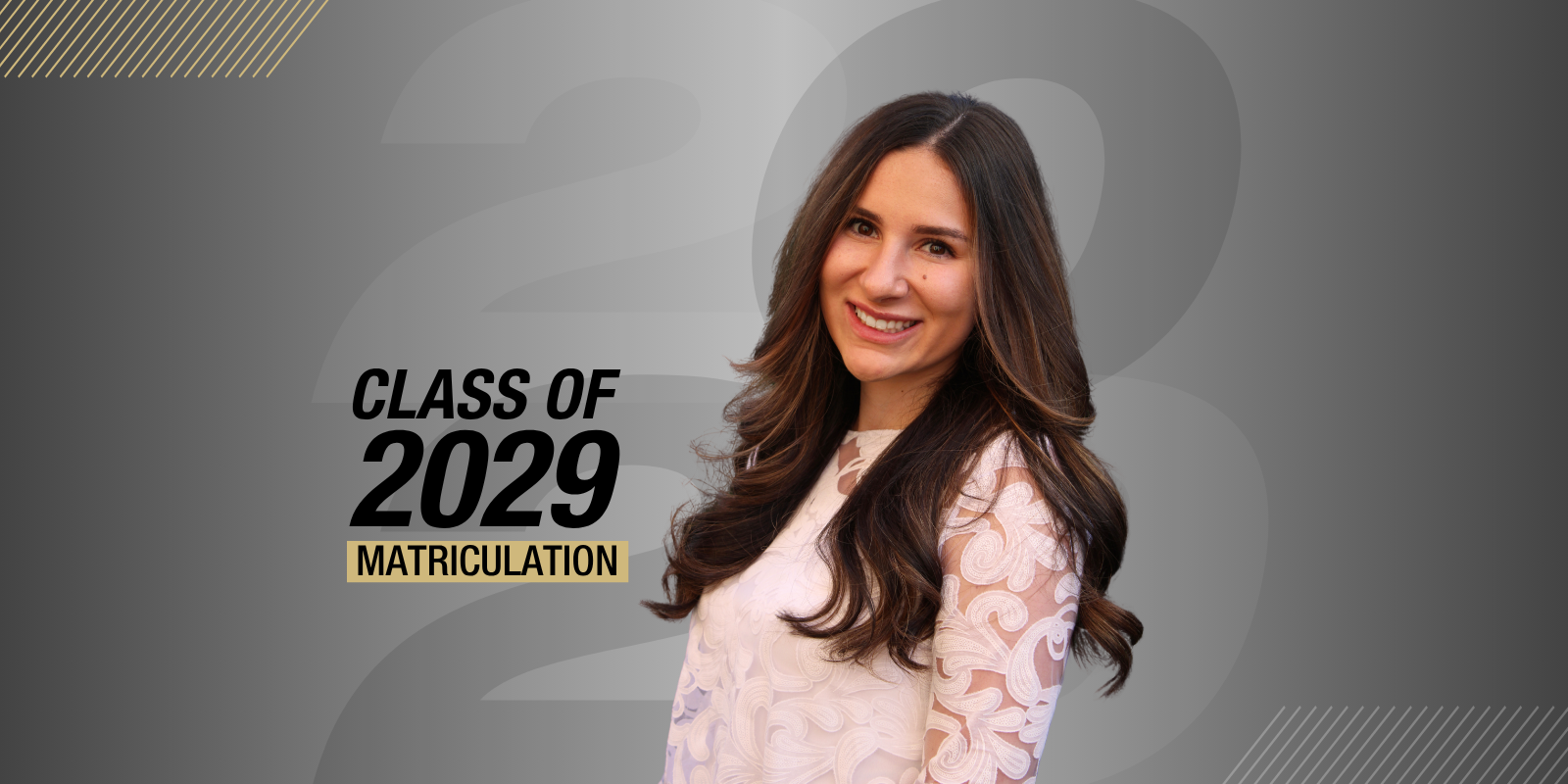
Brooke Linden won’t need a map to find her way around campus when she begins her first year as a student in the University of Colorado School of Medicine later this month.
Linden has spent the past two years on the CU Anschutz Medical Campus as a student in the CU Cancer Center's PIKE-PREP program, a mentoring and research training experience that prepares post-baccalaureate students to enroll and succeed in a top-tier PhD or MD-PhD program and commit to a career in biomedical research alongside patient care.
“I went to the University of Arizona for undergrad on a pre-medicine track, and I wanted to go to medical school, but then I got involved in research, and I absolutely loved it,” says Linden, who grew up in Colorado Springs. “I also had an interest in studying cancer, so after college, I wanted to get involved in cancer research. Working at CU for the past two years has been amazing. I wanted to pursue the MD-PhD degree to be able to get a good background in research and use that in my career.”
Family connection
That interest in cancer research comes from a very personal place: When Linden was growing up, her mother was diagnosed with breast cancer. Then, when Linden was a few months into the PIKE-PREP program, her younger sister was diagnosed with synovial sarcoma.
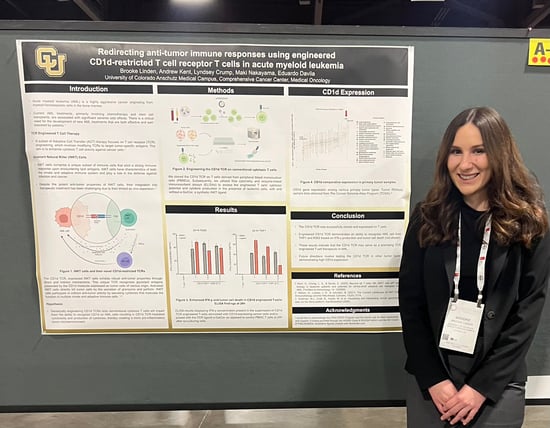 Linden presented her research at a conference in Phoenix in November 2023.
“It's a very rare form of cancer that affects only about 400 people a year, so it was really scary,” says Linden, who works in the lab of Eduardo Davila, associate director, Cancer Research Training and Education Coordination (CRTEC), at the CU Cancer Center.
"We work very closely with Dr. Bree Wilky, who is director of sarcoma medical oncology at CU. She helped my sister get care — she had some major surgeries and underwent treatment for months," Linden says. "She’s doing well now, but that experience solidified why I want to be a physician-scientist. I want to research these rare forms of cancer and be somebody who can hopefully advance some scientific discovery in that area one day.”
Refining research
Whether it’s studying cancer in Davila’s lab or working in a basic science lab in Arizona, studying molecular and cellular biology, Linden says her favorite part of conducting research is the ability to troubleshoot experiments and keep going.
 Linden conducting research in the Capaldi Lab at the University of Arizona.
“Even if you're just finding out little things, or if the experiment generates unexpected results, you're still contributing to the overall understanding of the world of human health,” she says. “I find that really fascinating.”
Linden will have plenty of time to learn the ins and outs of medical research during the eight-year MD-PhD program at the CU School of Medicine.
“It's definitely daunting, timewise, but I'm excited for this opportunity because it offers dedicated time for research, whereas in the traditional MD pathway, it's hard to carve out time to become a great scientist,” she says. “It's nice to be able to have this chunk of time to get my PhD and lay the foundation of becoming a good scientist so that after medical school, and a residency or a fellowship after that, I’ll have a good understanding of the research space as well as the clinical space.”
Mentor experience
For Linden, another important part of the medical school experience is paying forward the mentorship she has received thus far.
“I'm so grateful and feel so fortunate to have had such amazing mentorship through PIKE-PREP, and I feel like that program connected me to mentors that I will have for the rest of my medical training,” she says. “I now have an interest in being a mentor too, so hopefully during my med school training, I can mentor some of the summer students or undergrad students.”
.png)