Beginning symptoms of measles can look similar to other common respiratory viruses: cough, stuffy nose, and “overall just feeling pretty crummy,” says infectious disease pediatrician Michael Bozzella, DO, assistant professor of pediatrics at the University of Colorado Anschutz School of Medicine.
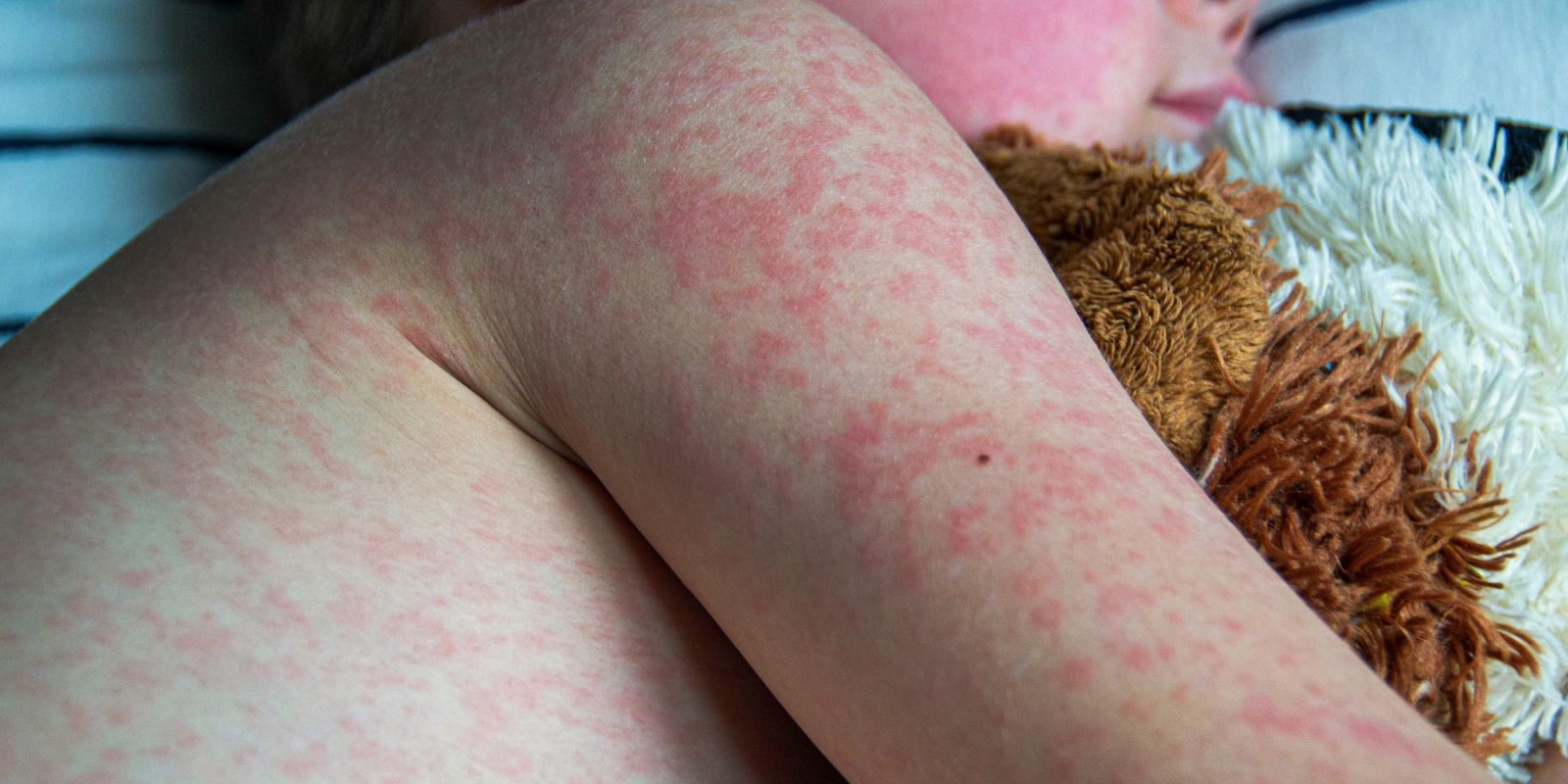
It’s typically what’s next that sets measles apart from those more common illnesses – conjunctivitis, high fever, and a spotty red rash that usually starts at the hairline (forehead or nape of the neck) and spreads downward. Knowing the symptoms can help prevent spread of the highly infectious disease, which has no treatment and in severe cases can result in hospitalization and sometimes death.
As of Nov. 5, the U.S. Centers for Disease Control and Prevention have reported more than 1,600 cases and 44 outbreaks across the country this year. In Colorado, where there have only been five cases in the last decade, state health officials have counted 31 cases so far in 2025.
“It’s all about prevention,” Bozzella says of managing measles. “The vaccine is incredibly safe, well-tolerated, and effective at giving you lasting immunity.”
Measle mimickers and spotting the difference
Diagnosing measles is not always a slam dunk, Bozzella says. Rashes, especially in children, are common, so it can take some detective work to confirm a measles diagnosis.
Knowing a person’s vaccination history, whether they’ve visited a place where there’s been a confirmed measles case and tracking those symptoms and their timing is important.
“Measles can hang out in the air for up to two hours after an infected person has been in a room. So really, gathering those extra pieces of information can be crucial in figuring out what’s causing the symptoms a person is experiencing,” Bozzella says.
So-called “measles mimickers” — which have similar symptoms to measles — include viral illness such as adenovirus, parvovirus, and hand, foot, and mouth disease among others. Kawasaki disease, an inflammatory illness, is also on the list of measles look-alikes. These illnesses, can cause fever, runny or stuffy nose, rash, and sometimes conjunctivitis. Children can be especially susceptible.
“Not every fever and rash needs to cause parents to freak out. Sometimes it’s best to pause, gather your thoughts and think things through because viruses in kids are common. If your child has received the measles vaccination and you aren’t aware of them being exposed to an active measles case, there are plenty of other things it could be.”
When there is concern of a measles case in the household, Bozzella advises making a call to the pediatrician or family physician and talking through the situation. If the child or person seems to be doing well otherwise, going straight to an emergency department could put others, especially those who are unvaccinated or have compromised immune systems, at high risk of infection.
Researchers estimate the basic reproductive number (RO) of measles — the number of people an infected person can spread the virus to — is between 12 and 18. For SARS-CoV-2, the RO is estimated to be between 1.4 and 2.4.
“Measles is highly infectious, so if there is high concern of an infection, or a confirmed infection, you want to limit your exposure to others,” Bozzella says.
Vaccine protection and potency
The only treatment options available for measles are supportive therapies: fluids for dehydration, oxygen if the patient has trouble breathing, and drugs for lowering a fever.
“We don’t have a treatment that helps destroy the virus or keep it from replicating,” Bozzella says. “Once you have a measles infection, it has to play its course.”
While some studies have shown that supplemental vitamin A may be associated with better outcomes for measle infections, it doesn’t have any protective factors, Bozzella says. “Vitamin A deficiency in the U.S. is pretty rare and any vitamin in excess can be dangerous, so people really should consult a doctor. Giving kids mega doses of vitamin A can lead to toxic side effects.”
The best way to prevent spread of measles is vaccination. The measles mumps, and rubella (MMR) vaccine is typically given in two doses in childhood and protects a person for life. Almost everyone who is not vaccinated and is exposed to the measles virus will get sick.