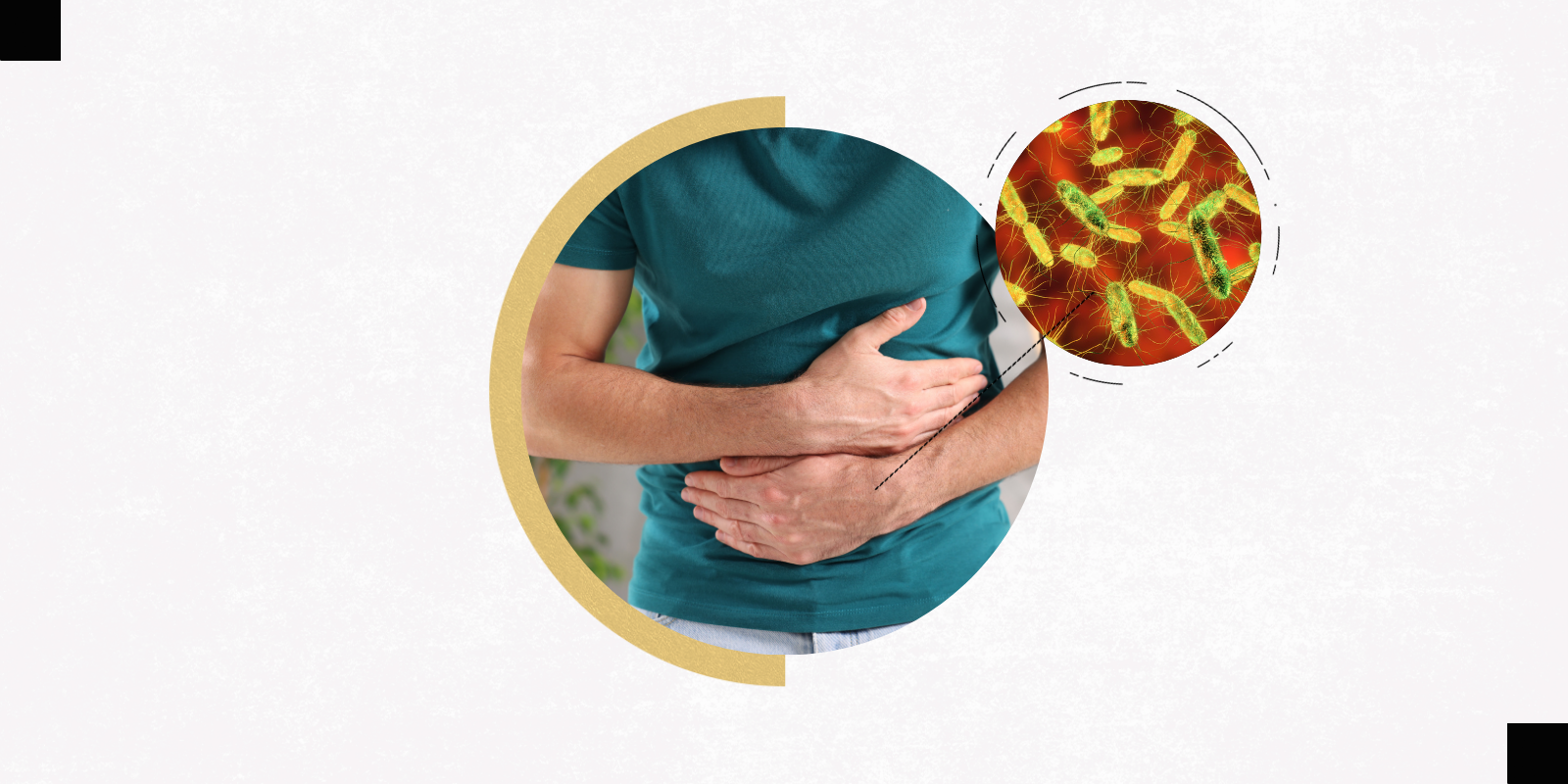
Salmonella bacteria are most infamous for triggering severe food poisoning symptoms. Diarrhea, stomach cramps, fever, and vomiting can last several days before the infection finally clears out of a person’s body. A more sinister type of Salmonella can also cause typhoid fever, a serious systemic illness that can be deadly.
Though it can bring on a few days of misery, and in immunocompromised people it can be lethal, non-typhoidal Salmonella (NTS) is luckily far more common than the typhoidal kind. NTS usually strikes tens of millions of people around the world each year, and it was responsible for the summer 2026 Salmonella outbreak in the U.S. that was connected to contaminated jalapeño peppers.
In a new paper from Nature Microbiology, University of Colorado Anschutz School of Medicine researchers showed that NTS bacteria use an unusual and fascinating tactic that helps them rapidly multiply and colonize the gut. Specifically, they exploit what’s known as the extracytoplasmic sulfate reductase pathway, an ancient and specialized metabolic system that only some bacteria possess.
The study was done using animal models, but if the same findings hold true in humans, understanding the bacteria’s strategy could open the door for new treatments to fight NTS.
“The first step for Salmonella to cause disease is colonization of the gut. Sulfate utilization, in particular, is very critical to that process,” says Andrés Vázquez-Torres, DVM, PhD, professor in the department of immunology and microbiology at the CU Anschutz School of Medicine and senior author of the paper.
“But enzymes are doing the job of sulfate reduction in ways that were unthinkable and totally unexpected. And if this pathway is not present in humans, there are ways that it could be exploited for therapeutics.”
Using a “modern key” to unlock an ancient door
Sulfate is an essential nutrient with diverse physiological roles in the human body, such as helping the liver flush out waste, regulating the nervous system, and synthesizing some of the materials that make up connective tissue. Some amino acids from proteins, such as methionine and cysteine, contain sulfur, and when these amino acids are broken down or oxidized — through digestion, for example — sulfate is produced in the body.
Many of the trillions of bacteria that naturally live in the human gut use sulfate as a main energy source and sulfur precursor. Sulfate-reducing bacteria use enzymes to extract energy from sulfate molecules and convert them into hydrogen sulfide, a substance that smells like rotten eggs. This enzyme, sulfate reductase, lets the bacteria use sulfur compounds for cellular respiration and energy generation without needing oxygen.
“Sulfate reductases belong to an ancient line of enzymes that were present in the last universal common ancestor billions of years ago on Earth. This type of enzyme was present when Earth was formed and life was just evolving at the beginning of Earth’s history,” says Vázquez-Torres.
Non-typhoidal Salmonella is just one of many bacterial species in the gut that possess the sulfate reductase pathway, but NTS bacteria use the pathway in a distinct way from how other bacteria use it. Most bacterial cells do the process of sulfate reduction inside of the cell, in the cytoplasm. NTS bacteria can do this as well, but they can also do sulfate reduction outside the cytoplasm in the space between their double cell membranes.
The bacteria also did something else that surprised the researchers: They did sulfate reduction without needing molybdenum, a trace mineral that’s essential to most other sulfate-reducing bacteria. Vázquez-Torres says that the molybdenum atom in sulfate reductase enzymes is like a metal key that opens a door. Surprisingly, the NTS bacteria are effectively using something more modern and efficient, like an electronic key or retina scan, to open the same door.
“Instead of using the classical pathway that happens in the cytoplasm or using the molybdenum of sulfate reducing bacteria, NTS bacteria are using a new pathway that is outside of the cytoplasm and depends on iron-sulfur. In effect, NTS bacteria are using an old enzyme in a non-traditional way. They’re not using the usual metal key to open the door," he says.
What this means
Using this “modern key” to open the sulfate reduction doorway appears to give NTS bacteria a metabolic advantage that allows them to virulently colonize the intestines. Vázquez-Torres also believes the NTS bacteria communicate with other bacteria in the gut microbiome by producing hydrogen sulfide via sulfate reduction outside the cytoplasm.
There’s much still to be learned about how and why this works. But a better understanding of the extracytoplasmic sulfate reductase pathway in NTS opens up opportunities for new medications that could block or interfere with these pathways.
“We are just scratching the surface of understanding why this pathway provides such an advantage,” Vázquez-Torres. “But you can imagine situations where these pathways could someday be utilized to interfere with the virulence of Salmonella and the colonization of the gut.”