<img height="1" width="1" style="display:none" src="https://www.facebook.com/tr?id=799546403794687&amp;ev=PageView&amp;noscript=1">

Is Sarcopenia the New Marker for Postmenopausal Health?

As women spend more time in a postmenopausal state, CU Anschutz gynecologist Jaime Arruda, MD, anticipates a deeper focus on skeletal muscle mass.

minute read

by Kara Mason | August 20, 2026
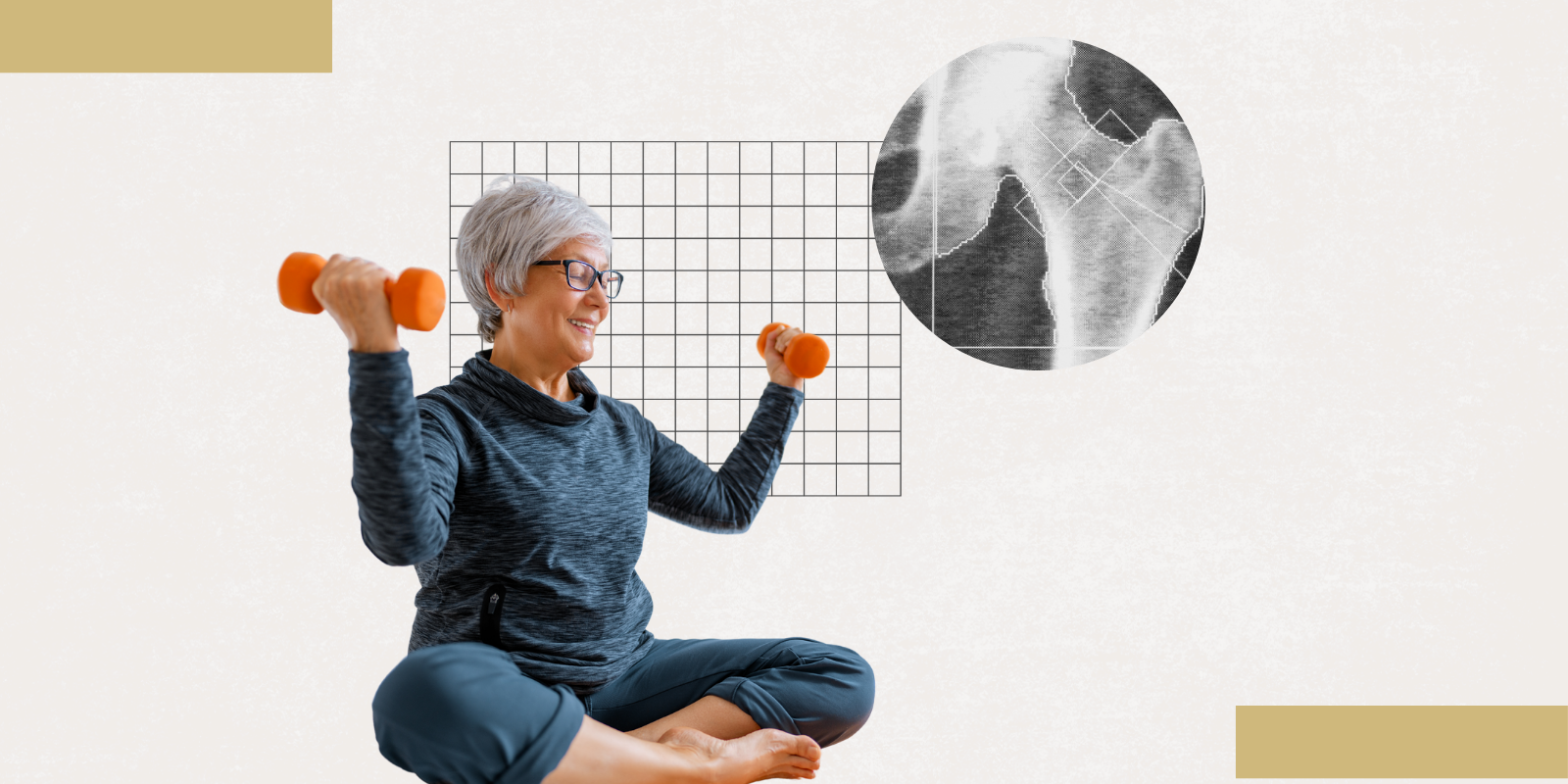
Graphic of a senior woman exercising with weights

A growing focus on healthy longevity has touched nearly all aspects of medicine. For University of Colorado Anschutz gynecologist Jaime Arruda, MD, that’s taken shape in the form of patients entering a postmenopausal state and experiencing skeletal muscle mass loss and the accompanying effects, including falls and fractures.

This phenomenon isn’t new, but Arruda, a professor of clinical practice in the CU Anschutz Department of Obstetrics and Gynecology, wants a more complete picture of how sarcopenia — gradual muscle mass loss that happens with age — intersects with reproductive health and the steady decline in estrogen that comes with menopause in women in their early 50s.

“While sarcopenia is traditionally associated with chronological aging, there is increasing recognition that menopause acts as a critical inflection point in the trajectory of muscle decline,” Arruda writes in a recent paper published in The Journal of The Menopause Society. “As global populations age and women spend a greater proportion of their lives in the postmenopausal state, addressing sarcopenia must become a central priority in women’s health.

Arruda explains more about sarcopenia and the swelling interest in research and how to best prepare women for postmenopausal life.

Q&A Header

What exactly is sarcopenia and how does it affect women in menopause?

Sarcopenia is the progressive loss of skeletal muscle mass and function, and it has a significant, but often under-recognized impact, on aging women. We usually think of this as an issue that increases with age.

Menopause is a time where we start to see a big drop off in muscle mass. Historically, people have been told that there's not much they can do about it and that it’s normal. Then suddenly, we have a postmenopausal woman in our care with a bone fracture that we probably could have been doing something about earlier.

What’s the state of research right now? Where is it headed?

It’s just really starting to gain traction – and a lot of that, I believe, is coming from patients. In general, people used to think that sarcopenia is something that’s a problem with very old people, that when you get to your 80s you start to lose muscle mass.

There’s an opportunity to investigate whether menopausal hormone therapy impacts muscle mass. We have a lot of data on testosterone therapy in women — which at one point was thought that it could be the be-all end-all to improving muscle mass around menopause, but it doesn’t seem like it’s quite the magic bullet we thought it was.

With the rise of GLP-1s, there are a lot of questions around how that impacts muscle mass around menopause.

What’s the treatment plan like after a sarcopenia diagnosis is made?

A combination of strength tests, even just the ability to get up from a chair, can lead to a diagnosis. The advice that a lot of patients get is to work on weight training and exercise.

From a drug therapy standpoint, there are not a ton of options.

READ MORE:  What is Muscle Health? CU Anschutz Researchers Explore Creating a Standard Definition

Many women are concerned with bone mass as they age, especially regarding osteoporosis. How does sarcopenia and focusing on it at a younger age come into play?

A lot of patients are worried about osteoporosis, but they don’t really understand what sarcopenia is. We just don’t talk about it at this stage of life that much. When you explain that it means they’re physically less dense than they used to be, it all begins to make sense. They realize that they’re frailer than when they were younger.

What does this line of thinking mean for even younger women. Is sarcopenia something they should be thinking about even before menopause?

Yes, because that’s when habits are made that will make a difference in older age. It’s hard to tell someone who's 45 to 55 and in perimenopause, who doesn’t do a ton of weight-bearing exercise, that they’re now at risk for sarcopenia and it’s time to start a whole new regimen that they had no idea they should be doing.

There’s an opportunity in OB-GYN practices to talk about this and educate patients on how they can be building strength earlier in life so that they may face better outcomes later in life.

Featured Experts
Staff Mention

Jaime Arruda, MD