The state of feeling overwhelmed, fatigued, and emotionally drained by work is increasingly more commonplace across the American workforce. In one survey published this year, approximately two-thirds of employees cited job burnout.
Similar feelings tend to hold true for U.S physicians: A national study in 2022 found that 63% experienced burnout. That’s led many researchers, including Lotte Dyrbye, MD, MHPE, Senior Associate Dean for Faculty Well-Being and Chief Well-Being Officer at the University of Colorado Anschutz School of Medicine, on a quest to find ways to address feelings of burnout and improve systems to avoid it altogether.
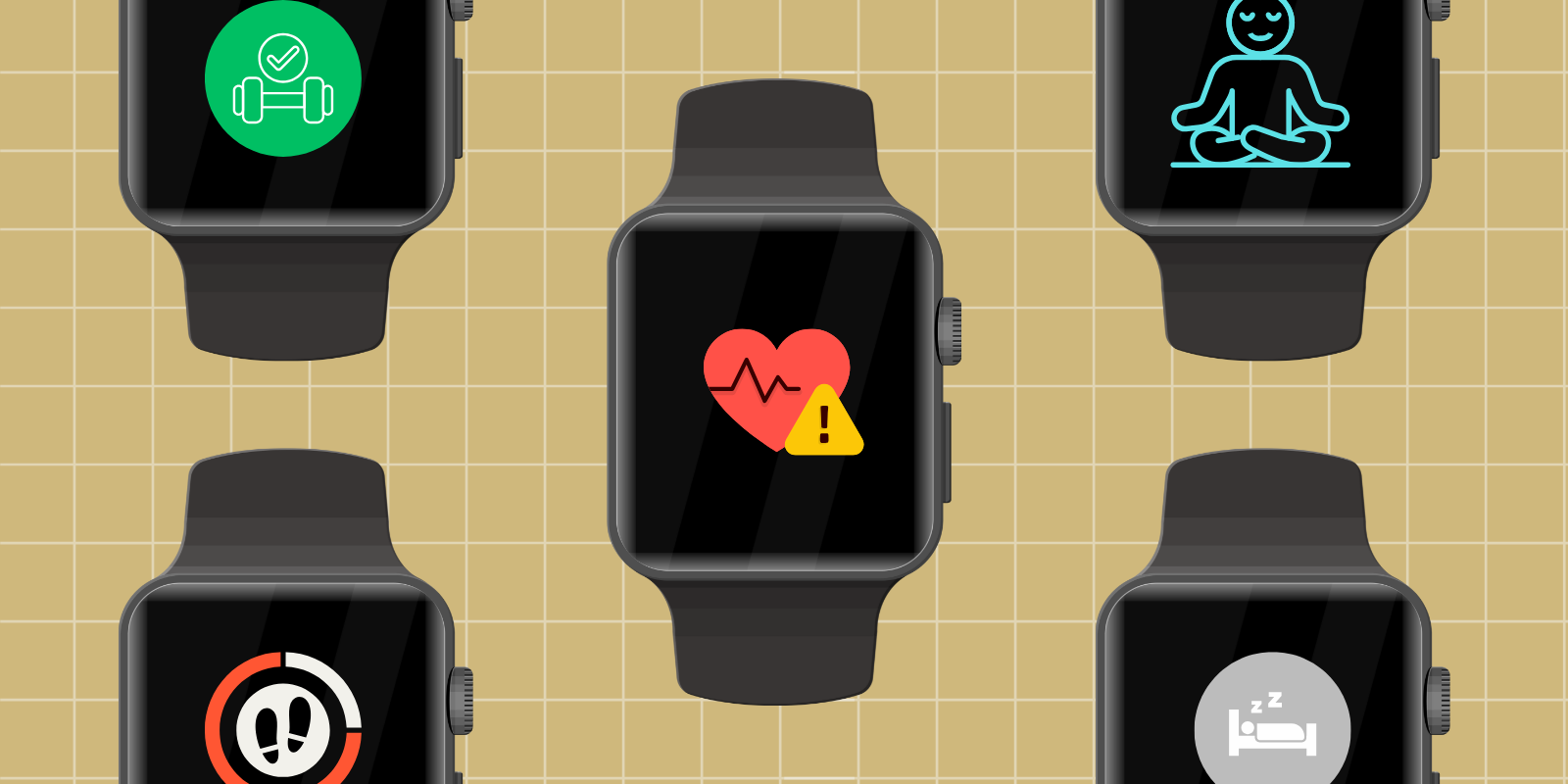
In her latest research, Dyrbye and a team of investigators asked whether wearing a smartwatch could help physicians reduce burnout. The results for health care workers are promising — physicians who wore smartwatches had lower burnout and higher mean resilience scores at the six-month observation mark. They may also be applicable to employees in other high-stress fields.
“When we put physicians and other workers in one large dataset and start to look at predictors of burnout, we see that it doesn’t necessary matter what you do for a living. The more you work, the higher the risk of burnout is,” Dyrbye says.
Smartwatches, which measure some aspects of a person’s health, could be one puzzle piece in helping manage burnout.
The effects of burnout
The World Health Organization characterizes burnout as an occupational phenomenon, not a medical condition, but can have a substantial impact on physical and mental health.
One may experience feelings of energy depletion or exhaustion from chronic workplace stress that has not been successfully managed. Burnout can also manifest in physical symptoms, such as muscle aches, headaches, a weakened immune system, and sleep disturbances.
“When we started this work about 25 years ago, it started with studying prevalence of burnout in medical students, residents, and physicians. Then, as we kept going, we realized there was a big problem among all members of the health care team,” Dyrbye says.
From there, research studies started to uncover how consequential burnout could be for patients’ health. For example, Dyrbye says, physician burnout can be an independent predictor of an intensive care unit patient’s outcome, of hospital-associated infection, and major medical errors.
Additionally, it can be meaningful for access.
“When doctors are burnt out, as well as when other members of the health care team are burnt out, they’re more likely to reduce the amount of time they spend taking care of patients and are more likely to quit their job. If your doctor quits, that organization is probably not seeing as many patients and it makes it harder for patients to get care,” Dyrbye says.
Other fields of work face similar societal challenges. Police officers exhibiting burnout engage in higher rates of excessive force and teachers who are chronically stressed tend to be associated with lower levels of student academic achievement.
These jobs and others tend to have at least one thing in common, Dyrbye says: a misbalance between demands and resources.
“For doctors, it could be that they’re asked to take care of too many patients or respond to too many secure message chats. The system is not optimized, so the workload becomes more, and the hours are longer,” she says.
Work hours are among the biggest drivers of burnout, research shows. But there are also resource considerations.
“You can put up with a lot of work if you have high job resources. This can be things like adequate staffing. But it can also be good leadership and flexibility in the workplace,” Dyrbye says.
Employees can’t always change those aspects of their job, so finding other ways to manage the stress is crucial. That’s where smartwatches may have a role.
Watching for symptoms of burnout
“If your job demands are too high or your job resources are too low, you get burnt out. But it is filtered through what we bring to the table,” Dyrbye says. “You could take a lot more stress at work if you slept well, if your relationships at home are going well, if your kids are happy and healthy. So, there is some individual variability in our reserve, our ability to deal with stress at work.”
Existing research points to sleep and physical activity levels as having an impact on burnout. Other bodies of research indicate that smartwatches are beneficial in forming these types of healthy habits. Dyrbye says it was a logical step adding a smartwatch to the mix to see how it impacted burnout and what it might mean for physicians.
The study, a randomized clinical trial published in JAMA Network Open, recruited 184 physicians, residents, and fellows and randomly assigned them to two groups, one which received the smart watches immediately and the other which received them six months into the trial. Each participant was asked to complete electronic surveys at the beginning of the research and at three, six, nine, and 12 months into the study.
Researchers found that physicians who wore smartwatches reported lower burnout and higher resilience scores at six months. It was welcome news for Dyrbye and the team of researchers. Now, there’s more to investigate.
It’s unclear whether individual behaviors and which ones changed due to wearing the smartwatch and having access to physiologic and physical activity data.
“We’re just starting to dive into that biometric data. Is there anything that can predict impending burnout? Imagine having an app or some sort of artificial intelligence-enabled technology that give you a heads up that you’re on a trajectory heading toward burnout,” Dyrbye says. “The research possibilities down that road are limitless.”
While Dyrbye’s research was focused solely on physicians, she says it’s reasonable to think the findings could be applied to stressed out employees in other fields.
“It can’t be bad to sleep better or get a few more steps in,” she says. “A smartwatch is a pretty low-cost investment these days, so it’s worth considering if you experience those common symptoms of burnout.”