Based on your experience in past flood or natural disaster zones, what stands out about the recent Texas flooding and the scale of loss in places like Kerr County?
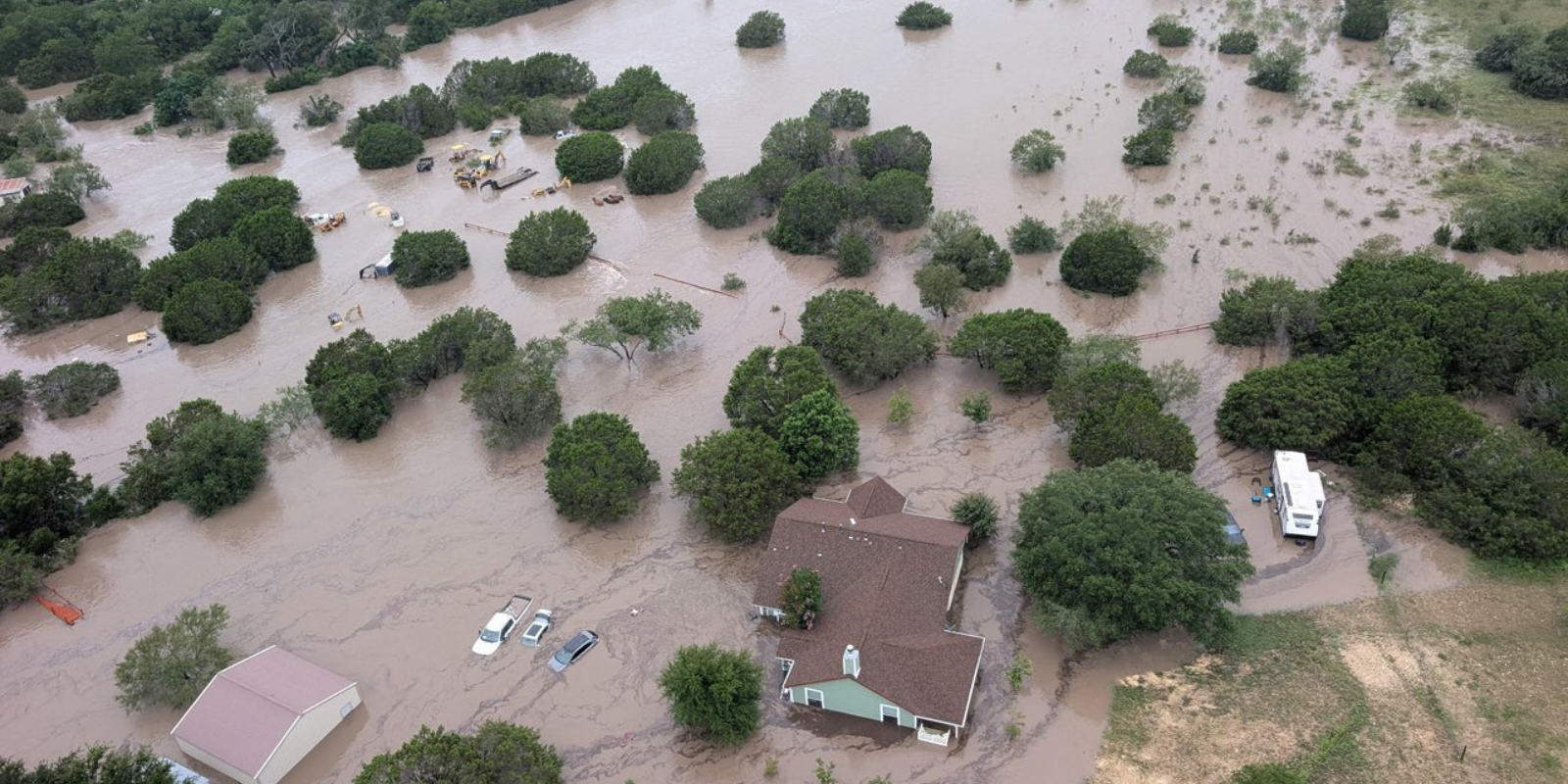
The speed and scope are staggering – roads washed away, entire neighborhoods overwhelmed in hours. In Kerr County, where communities are tight-knit and personal connections run deep, the impact cuts even deeper. This level of devastation doesn’t just destroy structures; it disrupts lives, families and the future of the community. Rebuilding here will take time, resources and a united effort.
You’ve been boots on the ground in similar high-casualty environments. How does the devastation in Texas compare to past incidents you’ve responded to?
It’s on par with what I’ve seen in large-scale disasters and combat zones: collapsed infrastructure, overwhelmed systems and uncertainty everywhere. What sets this apart is that it’s happening right here, in a well-resourced part of the country. It shows how quickly any region, no matter how prepared, can be brought to its knees by the power of nature.
What are the key challenges in the first two weeks after a flood of this scale?
Access to clean water, medical care and shelter are immediate needs. But beyond that, people lose access to their prescriptions, their providers and their support systems. Roads may be cut off, power grids unstable and supply chains disrupted. Overcoming that takes fast-moving teams, strong coordination and creative problem-solving. We’ve learned to expect the unexpected and plan anyway.
How does military training prepare someone to respond to natural disasters like flash floods?
Military training sharpens your ability to lead in chaos. You learn to build structure when none exists, execute under pressure and keep people focused even when the mission shifts. That translates directly into disaster zones. Triage, logistics, rapid decision-making and looking after your team are all essential on both sides of the fence.
Can you describe a time you adapted military protocols for use in a civilian disaster zone?
During Hurricane Katrina we deployed Air Force Critical Care Air Transport Teams (CCATTs) to evacuate critically ill patients out of failing hospitals. We used military evacuation protocols and scaled them to a civilian mission. It worked because we didn’t operate in silos. Civilian responders, local leaders and military teams combined resources and aligned fast. That kind of collaboration is what saves lives.
How critical is inter-agency coordination in saving lives?
It’s one of the most important factors in any disaster response. No single agency has everything it needs. Lives are saved when military, civilian, federal and local partners operate as one team with a shared mission. It takes clear roles, steady leadership and trust across the board. We’ve seen that when those align, the response becomes far more effective, and people are rescued faster.
How do logistics and communication typically break down and how do you overcome it?
Cell towers fail, roads become rivers and resources don’t arrive on time. You get used to that. What matters is having multiple ways to communicate, including satellite radios, pre-established networks, even physical runners in some cases. And you empower leaders on the ground to make fast decisions without waiting on higher headquarters. It’s that autonomy that keeps things moving when the system fails.
Long after the headlines are gone, what are the long-term struggles?
The damage doesn’t end when the water drains. Survivors are left with loss, housing instability and disrupted care. And the responders, many of whom are from the same communities, carry the burden of what they saw and what they couldn’t save. Mental health challenges among first responders are real. They're often ignored, but they compound over time. If we want strong communities, we need to take care of both those who are rescued and those doing the rescuing.
Can you share a moment that shaped how you think about disaster recovery today?
After a major disaster, I watched a nurse come in every day to care for others even after her own house had been destroyed. She didn’t wait to be asked. That moment stuck with me. Recovery is driven by people like her, those who keep showing up despite what they’ve lost. That mindset defines how I think about rebuilding. It’s not just about restoring what was lost but about strengthening what’s left.
What’s critical in the next phase of disaster response like this?
This is where we shift from immediate rescue to long-term recovery. Communities need clinics back online, medications refilled, mental health services scaled up and basic infrastructure stabilized. But more than that, they need support that lasts. Military and civilian teams working together – training, resupplying and rebuilding – make the difference. That partnership can turn a disaster zone into a foundation for future resilience.



.png)
.png)