How have you been working with the Artemis II crew in the months leading up to this historic mission?
I am involved in numerous aspects of the crew’s training. This includes their clinical care and completing medical certifications for flight, supporting mission exercises (including for launch and landing) and ensuring their personal medical kits are ready to go for launch.
What are the most critical components of medical and operational preparation for a mission of this complexity?
Communications, 100%. It’s similar to working in the hospital in that smooth transfer of information between teams is highly critical to the success of the mission. We have been hard at work to simulate launch, mission and landing scenarios. We communicate with a broad range of groups from the flight crew on orbit, mission control, to environmental systems engineers and the U.S. Air Force and Navy that have a role to play in launch and landing operations. Without a clear and concise common language and known courses of action in defined scenarios, we could not safely execute a mission of this complexity.
Is there a specific nutrition or dietary plan the crew follows before, during or after the mission? If so, what does it involve and why is it medically important?
There are no specific dietary plans before and after flight, but the crew does have a prescribed menu during the mission. We have an understanding in advance of the nutritional content in the crew’s “food pantry.” This includes total calories and macro and microconstituents. The crew also has an application to log each food item they have consumed, and the tool displays back to them whether they are meeting daily nutritional targets. The medical importance of a carefully crafted food system includes ensuring maintenance of body mass and prevention of conditions we need to avoid, such as reducing salt in their diet to help reduce the risk of kidney stones, for example.
What is the biggest misconception about how space flight affects the body?
One misconception is that there is an overall loss of body fluid volume (hydration status) during flight. It turns out that the major change in fluid is that it redistributes, first from the legs toward the head, and then from inside the veins to the tissues.
Which physiological changes are you most interested in comparing between astronauts who have flown in low Earth orbit and those who will be traveling into deep space for the first time in decades?
One is to better understand long-term changes to the eye, specifically the shape of the eye, optic nerve and retina, in deep space. Spaceflight-Associated Neuro-Ocular Syndrome or SANS is a well-described condition observed in numerous astronauts on missions lasting anywhere from six months to about a year. We do not have any human spaceflight data past these time periods to understand if the SANS observations will stabilize or continue to worsen with longer duration deep space missions.
How do you plan for medical contingencies when the crew is operating beyond real-time communication with Earth, and what kinds of situations might require astronauts to care for themselves or one another?
We plan and think about medical contingencies all throughout the crew’s training. We have developed a medical system to address a broad range of scenarios including basic first aid to a limited set of medical emergencies, such as a severe allergic reaction. The Artemis II crew is fully trained on how to use each medical diagnostic tool and treatment in the kit, and the crew has procedures they can follow to provide care for each other in-flight. The crew can also call down to us in mission control to get either real-time instruction or follow-up care guidance.
Which biomedical measurements collected during Artemis II will be most influential in shaping safety protocols and crew workload planning for the Artemis III lunar landing mission?
Key biomedical measurement will be taken while the crew uses the Orion Flywheel, the exercise device. Crewmembers’ heart rate and the subjective rate of perceived exertion (RPE) will be reported during exercise, and there will be video recordings of crew using the flywheel. Along with post-flight debriefs on the use of the flywheel, this data set will be immensely important in understanding how well lunar crews will be physically prepared to carry out exploration tasks on the lunar surface in subsequent missions.
What advances in biomonitoring or diagnostic technology on Artemis II represent the biggest leap forward compared to what was available during Apollo and on the International Space Station?
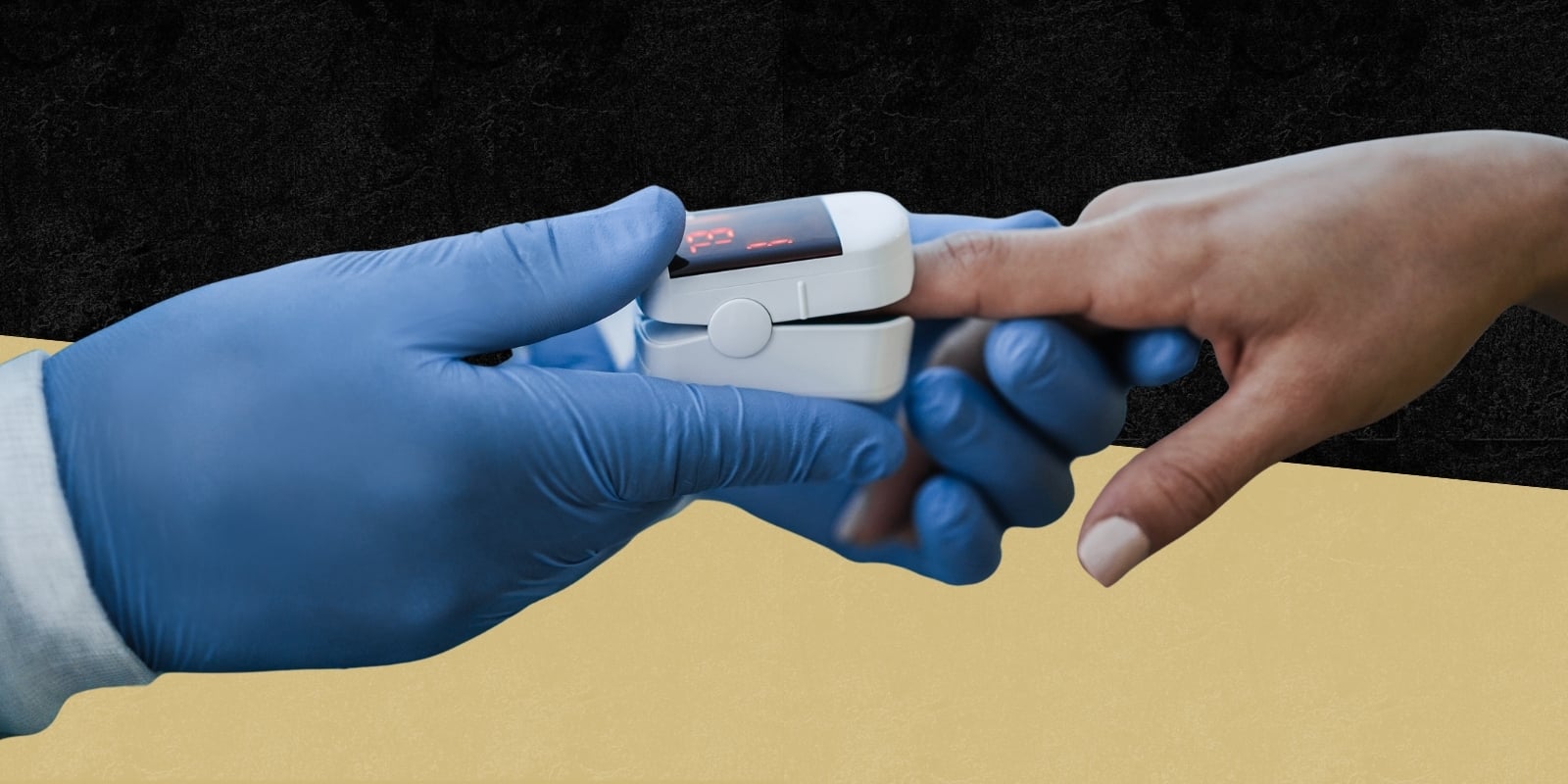
It’s been a challenge to integrate, but we have been able to incorporate hand-held diagnostic devices, such as an electrocardiogram (ECG), into the Orion Medical System. Mass and volume are a key constraint to the overall system, so being able to incorporate miniaturized devices that still have the capability to transmit near real-time information back to the ground has been a big step forward.
From your perspective, which aspects of astronaut health, physical or psychological, pose the greatest challenges during deep-space missions, and how will Artemis II help NASA better understand or mitigate those risks?
I think one of the biggest challenges we have faced and worked on across these domains is how to design a survival system within the Orion Capsule, namely the Orion Crew Survival System (OCSS) suit. In the event of a vehicle emergency, such as a cabin depressurization or fire, this space suit provides the crew with the ability to eat, drink, take medication and even take care of bodily waste from within the confines of a spacesuit. Such systems will be important for future deep-space missions as redundancy is one of our key protections from major system faults.
Anything you want to add on how you have been working with the crew or preparing for the mission?
The crew, flight control team and launch and landing teams have been training together for over 2.5 years for Artemis II, involving teams across the country and even around the globe. We have had the great fortune to work with this amazing team, and I could not be prouder and more excited to share the mission with the rest of the world!




.png)
.png)