

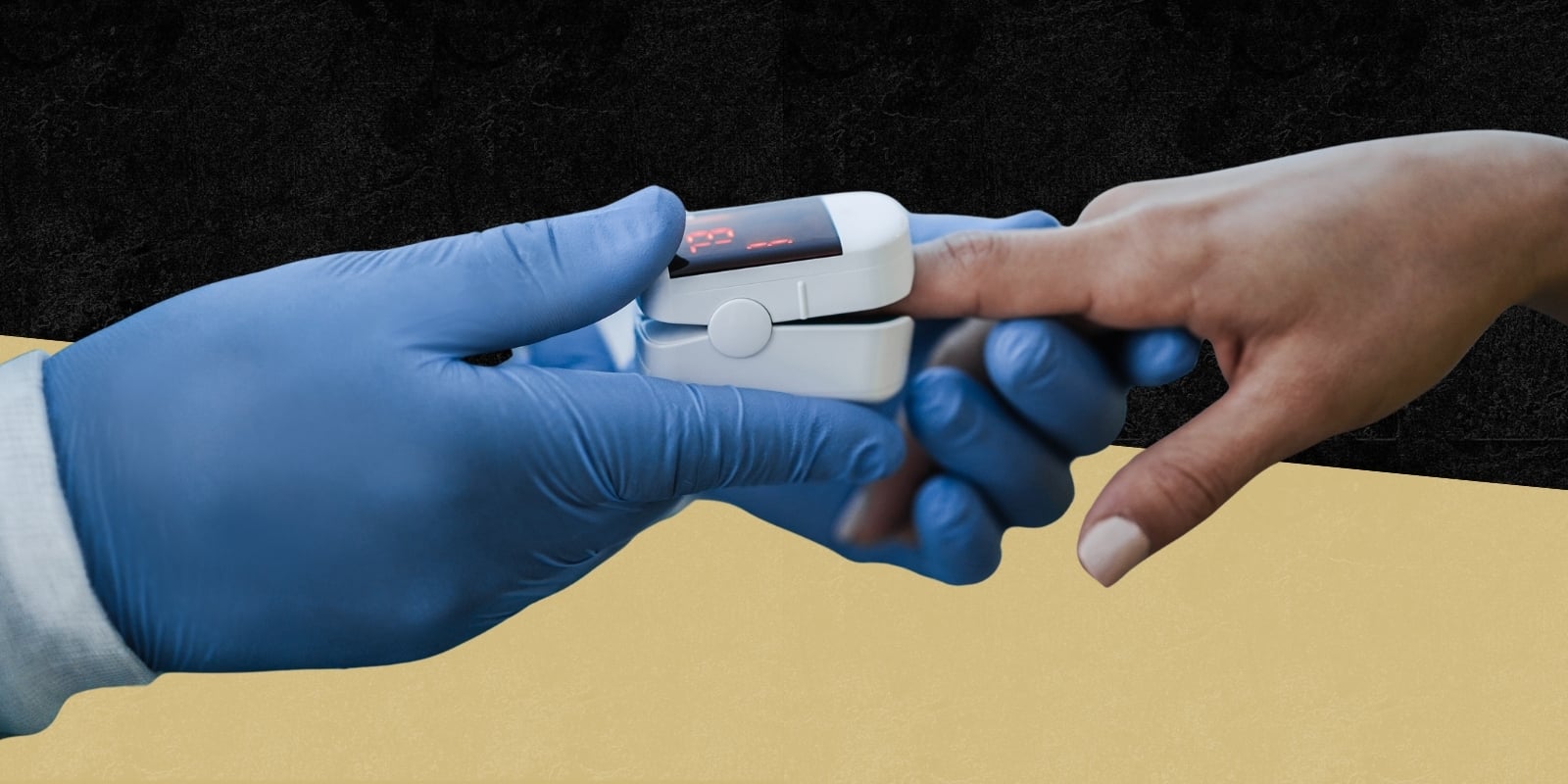
A University of Colorado Anschutz-led clinical trial has found an automated oxygen delivery system helped hospitalized patients spend significantly more time in their target oxygen range compared with standard care, while also reducing exposure to both low and high oxygen levels. Patients in the automated group spent 85 percent of their time in the target oxygen range compared with 63 percent in the standard care group.
The study was published today in JAMA Internal Medicine simultaneously with presentation at the Military Health System Research Symposium.
SAVE-O2 AI Trial Design and Safety Outcomes
The multicenter SAVE-O2 AI trial enrolled 300 adults receiving supplemental oxygen at four U.S. hospitals including UCHealth University of Colorado Hospital. Patients were randomly assigned to receive either standard clinician-managed oxygen therapy or autonomous oxygen titration via the O2matic PRO100, which continuously monitored oxygen levels and adjusted oxygen flow in real time.
“Oxygen is one of the most widely used therapies in medicine yet even in 2026, it is still managed largely through repeated manual adjustments made by clinicians,” said Adit Ginde, MD, MPH, senior associate dean for clinical research and professor of emergency medicine at the CU Anschutz School of Medicine and principal investigator of the study. “Our findings show that autonomous oxygen titration can help patients remain in their target range more consistently while reducing both under and over oxygenation. This technology has the potential to fundamentally change how supplemental oxygen is delivered in both civilian and military medicine.”
The study included adults hospitalized with acute respiratory illness, traumatic injury, burns and surgical recovery who were receiving new supplemental oxygen. Patients were randomly assigned to either standard oxygen management or an automated system that used a pulse oximeter, a small sensor placed on the fingertip that estimates blood oxygen levels using light, to continuously measure oxygen levels and adjust oxygen flow.
In current hospital practice, oxygen is typically adjusted manually by nurses or respiratory therapists during periodic checks. This approach requires repeated attention and can allow oxygen levels to drift outside the target range between assessments.
Real-Time Automation Improves Oxygen Precision Across Care Settings
The automated system continuously adjusts oxygen delivery based on pulse oximetry measurements without waiting for clinician input, helping increase time in the target oxygen range throughout the day and night.
Compared with standard care, patients treated with the automated system:
• Spent more time in their target oxygen range (85 percent vs. 63 percent).
• Spent less time with low oxygen levels, known as hypoxemia.
• Spent less time with high oxygen levels, known as hyperoxemia.
• Required fewer manual oxygen adjustments by clinical staff.
• Experienced no increase in serious adverse events.
“Oxygen levels can change quickly in hospitalized patients,” said David Douin, MD, MSc, associate professor of anesthesiology at the University of Colorado Anschutz School of Medicine and first author of the study. “This system responds in real time, helping patients spend more time in their target oxygen range with less manual adjustment.”
Researchers noted that the system may reduce workload for nurses and respiratory therapists, allowing clinicians to focus on other aspects of patient care. Changes in workload will be the subject of future investigations.
Oxygen therapy remains a critical intervention in emergency and inpatient care, but maintaining the right balance is difficult. Too little oxygen can harm organs, while too much may also be harmful.
Broader Implications for Hospital and Military Medicine
The findings reflect a broader effort through the CU Anschutz Combat Medicine Research Center to improve oxygen therapy across the continuum of care. Prior research, led by Drs. Douin and Ginde, has shown that targeting moderate oxygen levels is safe in critically ill and injured patients and may reduce unnecessary exposure to higher oxygen levels.
That work has also informed ongoing U.S. Department of War-supported efforts to improve oxygen delivery in high-stress environments where clinicians must manage multiple urgent tasks at once. Across hospital and emergency settings, the goal has been to reduce the burden of oxygen titration while improving precision in maintaining time in the target oxygen range.
"When you are caring for a wounded service member hours from a hospital, oxygen runs short and so does the medic's attention," said Vik Bebarta, MD, chair of emergency medicine, founding director of the CU Anschutz Combat Medicine Research Center, and a U.S. Air Force Reserve colonel. "A device that adjusts oxygen on its own takes one urgent task off their hands so they can focus on everything else the patient needs."
What’s Next for Automated Oxygen Delivery
Taken together, the results suggest a potential shift in how supplemental oxygen is delivered in both civilian hospitals and military medicine, where rapid decision-making, limited staffing and resource constraints can make manual oxygen management more challenging.
This research team plans to further evaluate the technology in emergency transport and prehospital settings.
The study was conducted in collaboration with UCHealth University of Colorado Hospital, Vanderbilt University Medical Center, Oregon Health & Science University and Wake Forest University School of Medicine.
Funding and Disclosures
This study was sponsored by the U.S. Department of War’s Defense Health Agency, Combat Casualty Care Portfolio via the Medical Technology Enterprise Consortium under Other Transaction Number W81XWH-15-9-0001. Additional support was provided by the National Center for Advancing Translational Sciences, NCATS. The PRO100 oxygen delivery system used in the study was rented for research purposes from O2matic of Denmark. The PRO100 was investigational in the United States and had not been FDA cleared or approved for commercial use. O2matic had no role in study design, data collection, analysis or publication decisions. The trial was conducted under a U.S. Food and Drug Administration Investigational Device Exemption (IDE). IDTS Medical, Inc. served as the sponsor of the IDE under which the trial was conducted.
Disclaimer
The views and conclusions contained herein are those of the authors and should not be interpreted as necessarily representing the official policies or endorsements, either expressed or implied, of the U.S. Government.


%20(1).png)
.png)