What have you learned from people living with chronic pain?
Chronic pain is common. There are many ways it shows up, from headaches to pelvic pain to belly aches and more. And there’s a range of severity. For some people, it’s an everyday nuisance that never goes away. For others, chronic pain takes over their lives and dominates their daily activities. Unrelenting pain limits what they can do.
How is chronic pain typically treated?
Typical medical approaches have included pharmaceutical interventions such as opioids, which aren’t that effective and have side effects and a high risk of abuse. They also include surgeries and procedures, such as radiofrequency ablation or epidural steroid injection. Studies have shown little effectiveness. Surgeries can be helpful for acute pain but are less effective for chronic pain.
What do we misunderstand about chronic pain, and why is it complicated to treat?
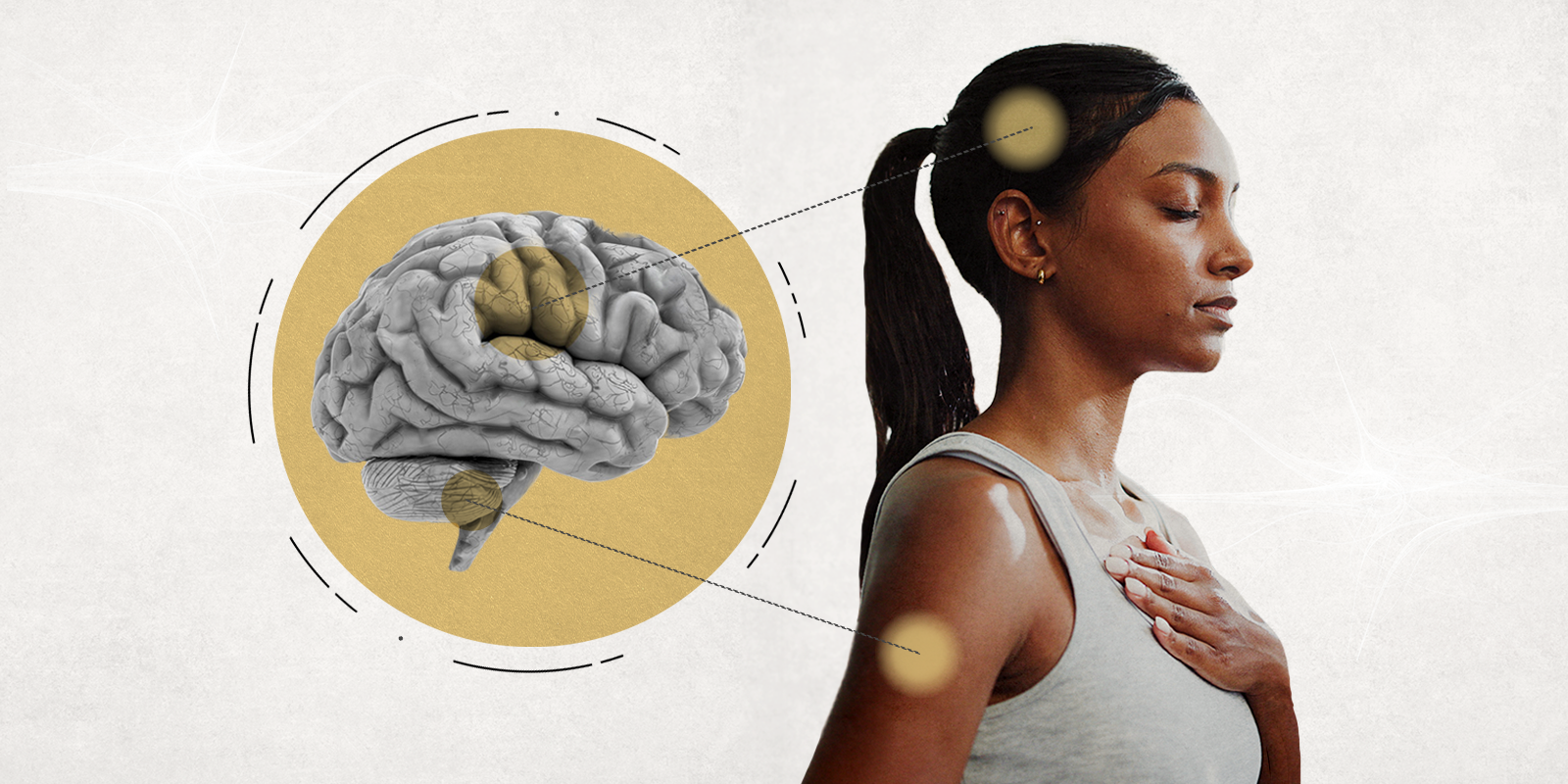
The major misunderstanding about chronic pain is that it's due to a problem in the body. People think if their back hurts, there must be something wrong in the back. If their shoulder hurts, there must be something wrong in the shoulder. Often, the pain is due to changes in the brain.
In patients with chronic pain, we see amplification in the dorsal horn of the spinal cord that amplifies signals going up from the body to the brain. There are also changes in the multiple brainstem nuclei, including the periaqueductal gray (PAG) and the parabrachial nucleus (PBN), as well as engagement of medial prefrontal and subcortical regions that are typically not engaged for acute pain.
Why is chronic pain difficult to treat?
The brain's pain processing system is complex and distributed. In patients with chronic pain, we see changes all throughout multiple brain structures. We're still in the process of trying to unpack the meaning of each and how they all fit together to create the experience of pain.
What makes pain so hard and complex to treat is that it’s a challenge to figure out the underlying cause. Is there really something wrong with the back? Or is the back basically healthy and instead, the brain is interpreting input from the back that’s driving the experience of pain?
If pain is not caused by an acute injury, does that mean the pain isn’t somehow “real?”
All pain is real. No one is exaggerating or making it up. We now know that pain can be caused by different mechanisms. There can be pain that is due to injuries in the body, and pain that’s due to the sensitization in the brain.
What is Pain Reprocessing Therapy (PRT)?
Pain Reprocessing Therapy is for people who have neuroplastic chronic pain, which is pain that’s driven by changes in the mind and relates to beliefs and emotions. It has a few different components, but the main ones include helping people think differently about the causes of their pain. This means shifting from viewing the pain as an indicator that something is wrong with the body to an indicator that there’s been some sensitization in the nervous system.
Neuroplastic pain may mean the brain is amplifying sensations. Often, we see people who have something stressful happening in their lives that need their attention. We help people identify, when relevant, the different emotional processes going on that may be contributing to pain and addressing those as well. We also help people get active again and return to the activities they’ve been avoiding because of the pain.
Related: Why Does Chronic Back Pain Make Everyday Sounds Feel Harsher? Brain Imaging Study Points to a Treatable Cause
How is PRT different from other approaches people try to alleviate chronic pain?
Traditional psychological treatments take an approach to pain management that helps people cope – to function better alongside the pain. In PRT, the goal is recovery from pain. The understanding is that pain is a condition you can recover from and not a chronic disease to be managed. By going through this treatment protocol, your brain can unlearn the pain.
Who is a good candidate for Pain Reprocessing Therapy?
People who have had pain for six months or longer are likely good candidates for PRT. There are some other indicators that we look for, such as people with a history of widespread pain or pain that fluctuates from one day to the next. Those are all indicators that the brain may be playing a role in the experience of pain in the body.
Learn More About Pain Reprocessing Therapy
Resources are available through Symptomatic.me, a nonprofit website offering:
• PRT educational resources
• Provider directories
• Books and podcasts about chronic pain
What are the wider implications of this study?
One of the major takeaways of this work is breaking the barrier between the mind and body and the physical and mental. These are integrated processes, meaning you can't consider one without considering the other. And things we consider “mental” create physical experiences for us.
I hope this study helps us reconsider the nature of chronic pain and other chronic somatic symptoms. And that working through beliefs, emotions and behaviors can be a more effective way to treat chronic pain than the current recommended treatments.
How are you continuing this research?
There are important limitations in the first trial that we’re currently addressing in a follow-up trial. The population in the first study was homogenous, and the control group could be improved, which our follow-up trial addresses. The results are looking great but aren’t published yet.
As we continue this work, we need to continue to study how the brain creates experiences of pain and how we can uncreate these experiences from one moment to the next. We aim to improve our methods for understanding what’s driving pain in the individual patient and how we can test these methods in other pain conditions as well. We also need a better understanding of how emotional states drive the body’s experience of pain.
What would you like people to know about Pain Reprocessing Therapy?
There are many people who wish they could just take a pill and be done with chronic pain. I’m not aware of such a pill. PRT is not a pill. It’s hard work that you have to do yourself, and it can take weeks, months or even years. In the last 15 years, we’ve learned a lot about pain. Mind/body treatments such as PRT are no longer considered fringe, and they may be our most effective tool for undoing chronic pain.



%20(1).png)
.jpg)