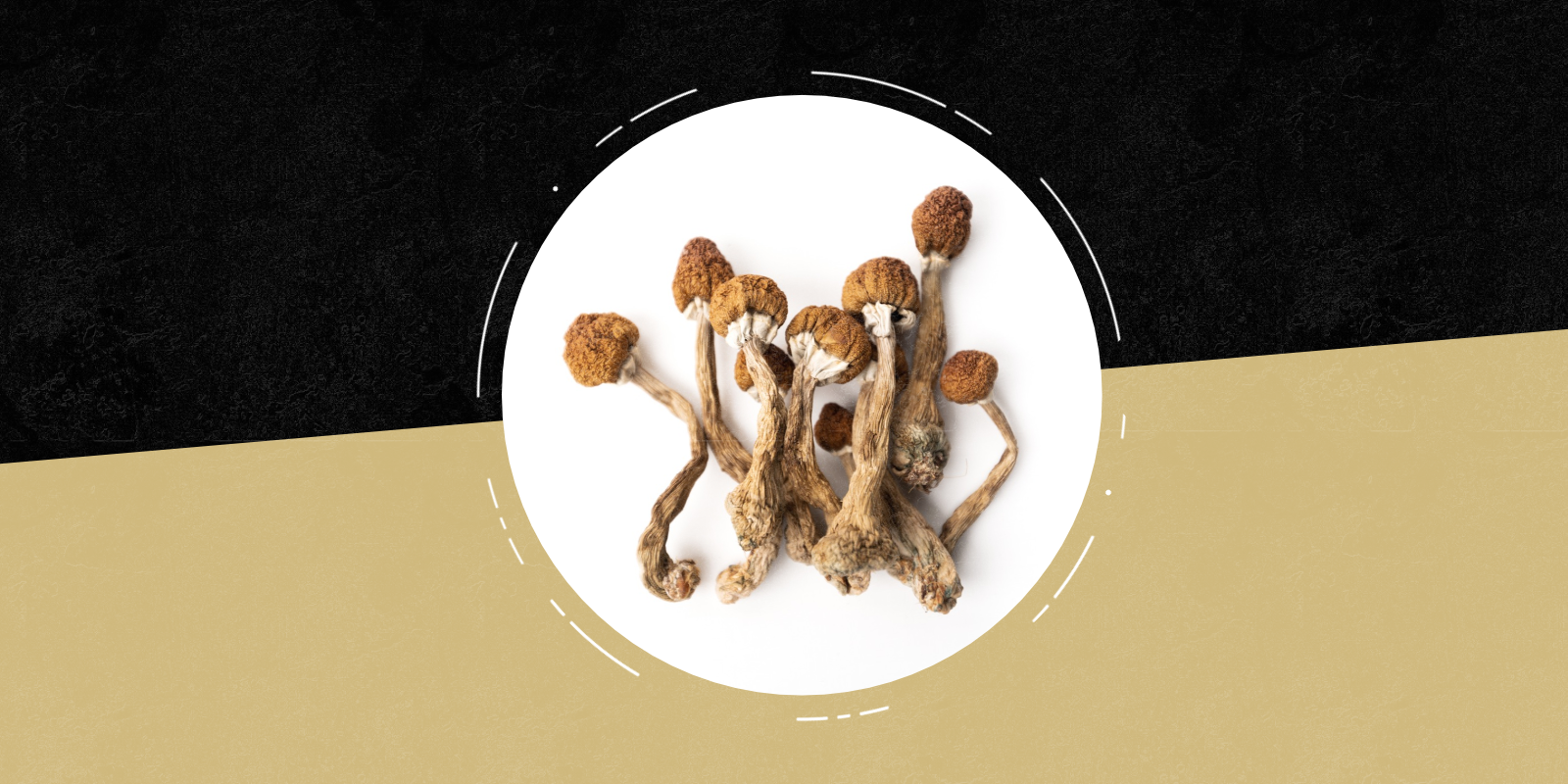
New research from the University of Colorado Anschutz suggests that psilocybin may help improve anhedonia, the loss of interest or ability to experience pleasure, in people with treatment-resistant depression. In a clinical trial, researchers found significant improvement in this difficult-to-treat symptom eight weeks after treatment, offering new insight into psilocybin's potential role in depression care.
Anhedonia is one of the most difficult symptoms of depression to treat. It can affect a person's ability to enjoy everyday activities, connect with others and experience a sense of meaning, even when other symptoms of depression improve.
The study, published in the Journal of Affective Disorders, is the first randomized, placebo-controlled clinical trial to specifically investigate psilocybin's effects on anhedonia in people with treatment-resistant major depressive disorder, a form of depression that has not responded adequately to previous treatments.
What did the study find about psilocybin and anhedonia?
Researchers found that participants who received 25 milligrams of psilocybin experienced significantly greater improvement in anhedonia eight weeks after treatment compared with participants who received a 1-milligram dose.
However, the study did not find a statistically significant difference between the groups on its primary measure of anhedonia at one week. The difference observed at eight weeks was a secondary finding, suggesting that psilocybin's potential effects on this symptom warrant further investigation.
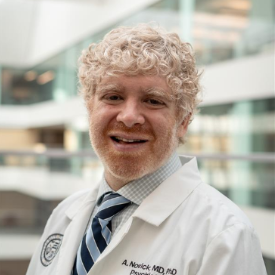
"Anhedonia can be one of the most debilitating aspects of depression, affecting a person's ability to find enjoyment, connection and meaning in everyday life,” said Andrew Novick, MD, PhD, associate professor of psychiatry at the University of Colorado Anschutz. “Understanding whether and how psychedelic treatments might address this symptom is an important next step in depression research.”
How was the psilocybin clinical trial conducted?
The randomized, double-blind study included 20 people with treatment-resistant major depressive disorder. Participants were randomly assigned to receive either 25 milligrams or 1 milligram of psilocybin alongside psychological support. Researchers assessed changes in anhedonia and overall depression severity at one and eight weeks following treatment.
Study at a Glance
- Participants: 20 people with treatment-resistant major depressive disorder
- Study design: Randomized, double-blind clinical trial
- Treatment groups: 25 milligrams or 1 milligram of psilocybin
- Additional support: Psychological support provided alongside treatment
- Assessment points: One week and eight weeks after treatment
- Key finding: Significantly greater improvement in anhedonia in the 25-milligram group at eight weeks
In addition to the improvement in anhedonia at week eight, participants receiving the higher dose experienced greater improvement in overall depression severity at both one and eight weeks compared with the low-dose group.
"Depression is not a single experience, and not all symptoms respond to treatment in the same way. By examining anhedonia specifically, we're beginning to better understand which aspects of depression may be responsive to psychedelic-assisted treatment and how those effects may change over time," said Novick.
What Do the Findings Mean for Depression Research?
The findings suggest that studying individual symptoms of depression, rather than only overall depression severity, may help researchers better understand the potential effects of psychedelic-assisted treatments.
Anhedonia is particularly important to investigate because it can persist despite treatment and significantly affect quality of life. Understanding whether psilocybin may help address this symptom could inform future research into treatments for people who have not responded adequately to existing therapies.
Researchers emphasize that the findings are preliminary. The trial included only 20 participants, and larger clinical trials will be needed to confirm the findings, determine whether the effects are sustained and better understand how psilocybin may influence anhedonia. However, the study gives CU Anschutz researchers, who are at the forefront of investigating psilocybin as treatment for depression, help in moving the field beyond broad measures of depression to better understand how these treatments could address symptoms that most impact people’s daily lives.
Key Points
- Anhedonia is a difficult-to-treat symptom of depression that involves losing interest in activities or the ability to experience pleasure.
- A CU Anschutz clinical trial studied 20 people with treatment-resistant major depressive disorder who received either 25 milligrams or 1 milligram of psilocybin.
- Participants receiving the higher dose showed significantly greater improvement in anhedonia at eight weeks, although the primary comparison at one week was not statistically significant.
- Overall depression severity also improved more in the higher-dose group at both one and eight weeks.
- The findings are preliminary, and larger studies are needed to determine whether psilocybin can safely and effectively treat anhedonia in people with depression.