What are the most common injuries you see in the ER during Halloween and the weeks leading up to it?
Alongside typical injuries like falls, bike accidents and car crashes, we see a spike in injuries from navigating dark, unfamiliar areas including eye injuries, wrist and hand trauma and other extremity injuries. Drunk driving is also a major concern, contributing to nearly half of Halloween-related motor vehicle deaths. Many of these are preventable with basic precautions.
Do you notice a spike in certain types of injuries from Halloween activities?
Yes. According to the U.S. Consumer Product Safety Commission, about 3,200 Halloween-related injuries are treated annually. Over half are from pumpkin carving, a quarter from falls while decorating or trick-or-treating and the rest from costume-related injuries, allergic reactions or ingestion incidents. Halloween ranks among the top five holidays for ER visits.
Let’s talk pumpkin carving. What’s the safest way to do this without ending up in the ER?
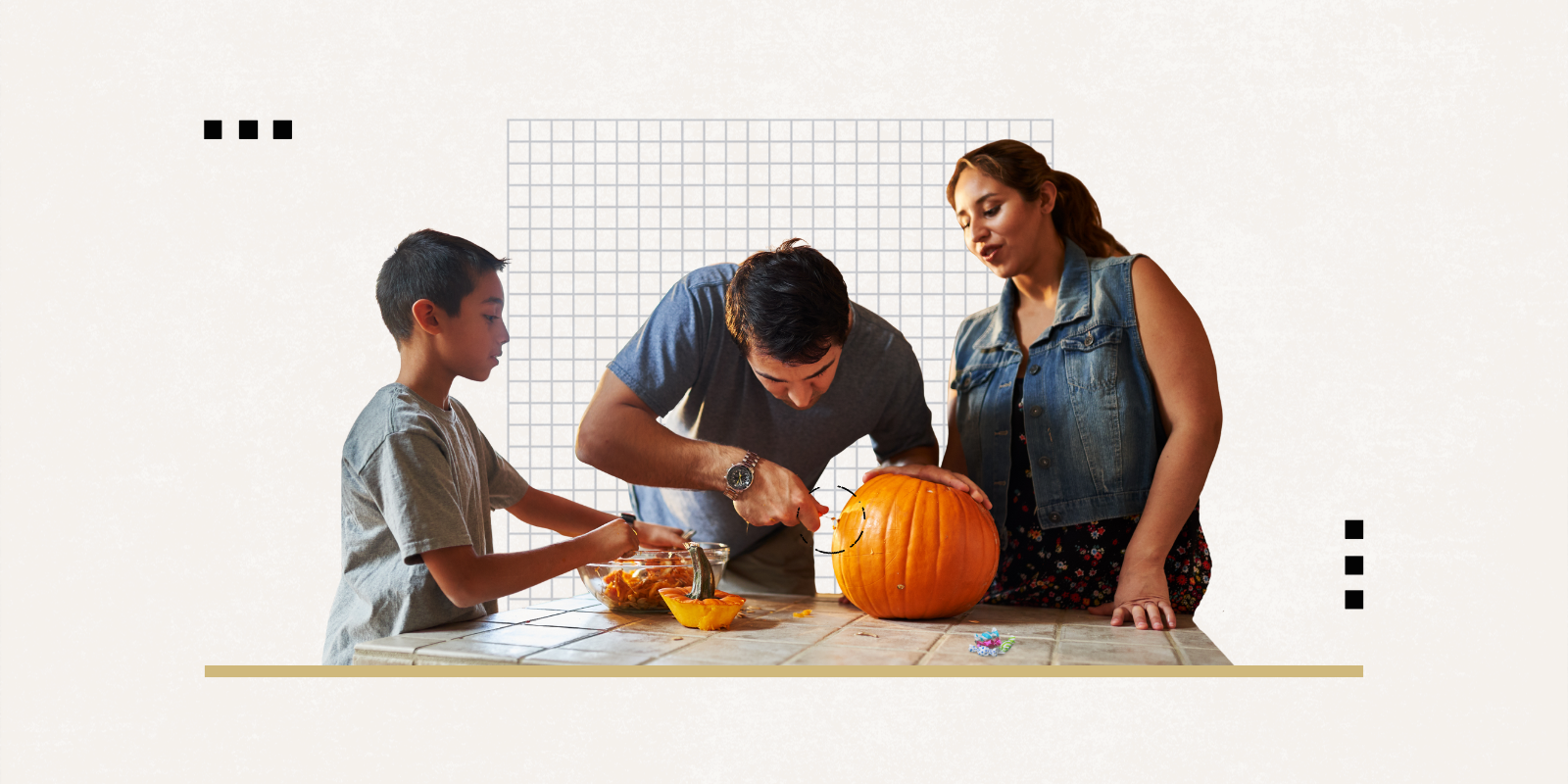
Avoid carving while intoxicated and keep sharp tools away from children. Stabilize the pumpkin safely. Never hold it in a way that puts your hand behind the cutting surface. Always cut away from your body. Serious hand injuries may require transfer to specialized centers for tendon or vascular repair, so prevention is key.
Are kids or adults more likely to get hurt during Halloween?
Both groups face risks but for different reasons. Adults may be injured due to alcohol-related incidents including falls, car accidents or bike crashes. Kids are more prone to injuries from poor visibility or tripping over costumes. Long costumes should be hemmed or pinned to prevent falls.
What types of costume/makeup-related injuries are most prevalent? What’s the best way to prevent them?
Eye injuries from glitter, adhesives or makeup are common. These can cause corneal abrasions or infections like styes. Follow makeup instructions and avoid applying makeup near the eyes. Allergic reactions are also possible, especially if it’s the first time using a product. Warm compresses and lid hygiene help for some minor eye infections but some cases require emergency care or ophthalmology referrals.
How do you handle injuries related to outdoor decorations, like falling from ladders or getting tangled in wires?
We follow trauma protocols for serious injuries like falls from height which can cause internal bleeding or head trauma. These cases may require transfer to a trauma center with specialists like neurosurgeons. Most ERs can handle minor injuries like fractures, dislocations or superficial wounds.
How can parents help minimize the risk of injuries to their kids while trick-or-treating?
Supervision is key. Make sure kids stay in well-lit areas and travel in groups. Teach them what to do if they get lost. Avoid driving if possible as alcohol-related crashes spike on holidays. Choose costumes that don’t obstruct vision and are safe for walking. Older adults accompanying kids should wear supportive footwear to prevent falls.
We all grow up hearing the horror stories about razor blades being placed in Halloween candy. Is this a real risk or more of a myth?
I have not seen any injuries from razor blades in Halloween candy in 16 years of clinical practice but I’ve seen these injuries reported in the news. I think the risk is very low. I would ask parents and kids to use common sense and avoid eating treats that aren’t wrapped or appear tampered with.
There are also frequent rumors about people handing out cannabis-infused candy to kids. How concerned should parents be about this?
We’ve seen more cases of kids accidentally ingesting THC, often from edibles left unsecured at home. These can cause serious symptoms including coma. However, I haven’t seen a case of cannabis-infused candy being handed out while trick-or-treating. The bigger risk is accidental exposure at home.
What are some precautions parents can take to ensure their children’s candy is safe to eat?
The Centers for Disease Control (CDC) and the American Academy of Pediatrics say to avoid giving hard, round candies to kids under 4 because they are a choking hazard. Stick to soft, wrapped treats for younger children. Monitor how much candy kids eat at once because we do see cases of stomach pain and GI symptoms from overindulgence.
Anything you want to add?
Halloween can be a fun and safe holiday for both kids and adults when planned with care. Most activities are safe but not all are age-appropriate. If you're responsible for children, avoid anything you're unsure about or consult your pediatrician. For adults, sticking to your neighborhood and staying alert, especially when driving or walking in poorly lit areas, can help prevent accidents and injuries.




.png)
.png)