

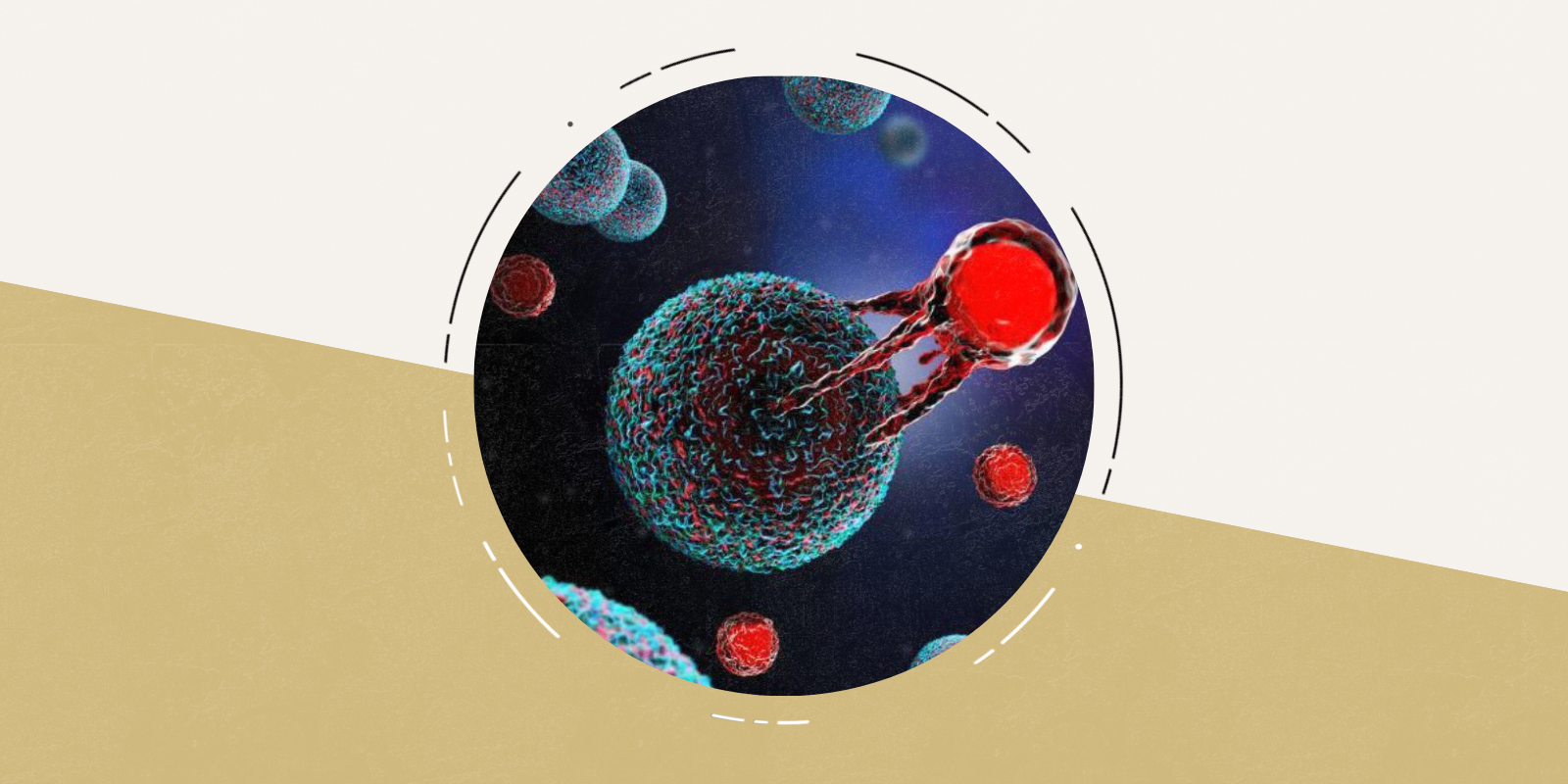
The University of Colorado Anschutz Gates Institute has received Investigational New Drug clearance from the U.S. Food and Drug Administration, marking the first chimeric antigen receptor (CAR) T-cell therapy authorized for clinical testing that was developed entirely on the CU Anschutz campus. The therapy, engineered to attack a key protein called CD64 found on aggressive leukemia cells, represents a novel treatment approach for patients with relapsed or refractory disease.
“This work was built on the seminal findings of Craig Jordan’s laboratory, identifying CD64 as a marker of leukemia cells that escape modern therapies,” said the inventor of the therapy, M. Eric Kohler, MD, PhD, an assistant professor of pediatrics in hematology, oncology, and bone marrow transplantation at CU Anschutz School of Medicine and Children’s Hospital Colorado. Spearheaded by Haley Simpson, MD, PhD, a clinical fellow working in the Kohler lab, the CD64-directed CAR underwent years of testing, engineering, and optimization in the laboratory before making it to this point.
Key points:
The University of Colorado Anschutz Gates Institute has received Investigational New Drug clearance from the U.S. Food and Drug Administration for the first CAR T-cell therapy developed entirely on the CU Anschutz campus to be authorized for clinical testing in the United States.
Engineered to target the CD64 protein on aggressive leukemia cells, the therapy offers a novel approach for patients with relapsed or refractory disease.
“Advancing this therapy from an idea to a first-in-human clinical trial reflects the collaborative nature and diverse expertise on campus,” said Kohler. “From the basic science departments to the translational teams of Gates Institute, to the clinical expertise in cellular therapy, bringing new therapies forward is what the Gates Institute is built to do.”
Phase 1 trial to start this summer for adults with AML
The first-in-human Phase 1 clinical trial, starting this summer, will be available to adults with relapsed or refractory acute myeloid leukemia (AML).
“This FDA clearance represents years of work by a team committed to moving cellular therapies from discovery into meaningful clinical impact,” said Terry Fry, MD, executive director of the Gates Institute. “Launching this clinical trial is an important first step toward a different approach for this very aggressive disease, one we hope will ultimately change how myeloid leukemias are treated.”
The Phase 1 clinical trial will evaluate the safety, tolerability and optimal dosing of CD64 CAR T cells in adults with relapsed or refractory AML. Enrollment is anticipated to begin in June 2026, with patients treated at UCHealth University of Colorado Hospital.
A pediatric clinical trial, led by Sanam Shahid, MD, at Children’s Hospital Colorado, is expected to begin later this year expanding potential treatment options for children and adolescents.
“This FDA clearance represents years of work by a team committed to moving cellular therapies from discovery into meaningful clinical impact. Launching this clinical trial is an important first step toward a different approach for this very aggressive disease, one we hope will ultimately change how myeloid leukemias are treated."
– Terry Fry, MD, executive director of the Gates Institute
For patients facing relapsed or refractory AML, treatment options remain extremely limited and outcomes are poor. This trial offers a potential new pathway for patients with this aggressive blood cancer.
Therapy offers new approach for aggressive leukemia
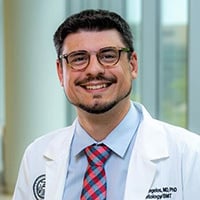
“This marks a major milestone for The University of Colorado Anschutz Gates Institute,” said Mathew Angelos, MD, PhD, assistant professor of medicine in hematology at the CU Anschutz School of Medicine and principal investigator of the adult clinical trial. “This achievement reflects tremendous dedication and collaboration across our scientific, clinical and regulatory teams. I’m excited to lead this study and believe it has the potential to meaningfully impact patients with difficult-to-treat myeloid blood cancers, where new treatment strategies are urgently needed.”
Fry agreed.
“This achievement highlights the strength of our growing cell and gene therapy ecosystem and the collaborative expertise required to advance a novel therapy from discovery to clinical testing,” he said. “It’s a powerful example of how teams across campus are working together to translate science into meaningful impact for patients.”
Manufacturing of the CAR T-cell product for the trial will take place at the Gates Biomanufacturing Facility, supporting a seamless transition from laboratory research to clinical application.
.png)
%20(1).png)

.jpg)