AURORA, Colo. (October 6, 2026) – About 12.5 million children – nearly 60% of all children in the U.S. under age five – attend early care and education (ECE) programs each week. With childhood obesity affecting one in five U.S. children and adolescents, early settings offer an important opportunity to establish healthy behaviors that can last a lifetime.
The University of Colorado Anschutz College of Nursing released its 2025 Achieving a State of Healthy Weight (ASHW) Annual Report, a national assessment of how child care rules and regulations across all 50 states and Washington, D.C., support obesity prevention practices in licensed child care programs.
Now in its 16th year, ASHW evaluates state licensing regulations against 47 High-Impact Obesity Prevention Standards (HIOPS) related to infant feeding, nutrition, physical activity, and screen time. The assessment tracks changes over time and identifies opportunities for states to strengthen regulations across child care centers and family child care homes.
The ASHW team reviewed more than 40 regulatory documents across 20 states. Six states had regulatory changes that affected their alignment with the HIOPS, with most gains occurring in family child care homes. At the same time, the report found that certain regulatory changes reduced support for obesity prevention standards.
Key findings in this year’s study include:
-
Tennessee leads the nation in support of the HIOPS
-
Maryland showed the greatest improvement, particularly in family child care homes, strengthening requirements for infant tummy time and screen time regulations
-
Arizona, Oregon, and Utah strengthened requirements prohibiting the use of food, rest, or physical activity as punishment.
-
New Hampshire removed language aligned with the federal Child and Adult Care Food Program (CACFP), resulting in lower ratings across several infant feeding and nutrition standards
Nationally, state licensing regulations fully support 33% of HIOPS for child care centers, 28% for large family child care homes, and 26% for small family child care homes. Some of the most widely supported standards include providing children with space for play, making water available indoors and outdoors, and serving small, age-appropriate portions.
The 2025 findings also build on substantial progress since ASHW began tracking state regulations in 2010. Across licensed child care types, the percentage of ratings fully supporting the HIOPS more than doubled, increasing from 12% in 2010 to 28% in 2025.
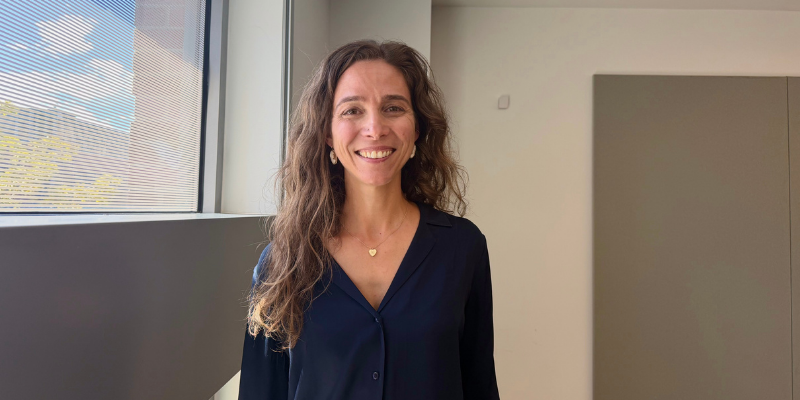
“Sixteen years of data show us that change is possible,” ASHW Program Director and CU Anschutz Nursing Research Scientist Alison Pilsner, MPH, BSN, RN, CPH, IBCLC, says. “We’ve seen states make substantial progress in areas like nutrition and infant feeding, and those improvements matter. The opportunity now is to build on that momentum and ensure strong, evidence-based standards reach children across every type of licensed child care setting.”
Despite that progress, opportunities remain. Standards related to limiting oils and fried foods, reducing salty foods, and providing physical activity training opportunities for ECE staff remain among the least supported nationally. The report also highlights continued differences in regulatory support among child care centers, large family child care homes, and small family child care homes.
“The goal is not simply stronger regulations — it’s creating healthier environments for children,” Pilsner says. “Nursing science can help connect evidence, policy, and practice to improve health at a population level. By translating evidence into the standards that shape children’s everyday environments, we can help build a foundation for lifelong health.”
This study is supported by the Centers for Disease Control and Prevention, Division of Nutrition, Physical Activity, and Obesity, in the National Center for Chronic Disease Prevention and Health Promotion (subcontract #UDCN-02-4574, awarded by prime contract McKing Consulting Corporation).
About the University of Colorado Anschutz
The University of Colorado Anschutz is a world-class academic medical campus at the forefront of transformative science, medicine, education and patient care. The campus encompasses the University of Colorado health professional schools, more than 60 centers and institutes and two nationally ranked independent hospitals - UCHealth University of Colorado Hospital and Children's Hospital Colorado – which see more than two million adult and pediatric patient visits yearly. Innovative, interconnected and highly collaborative, CU Anschutz delivers life-changing treatments, patient care and professional training and conducts world-renowned research fueled by $910 million in annual research funding, including $757 million in sponsored awards and $153 million in philanthropic gifts.