
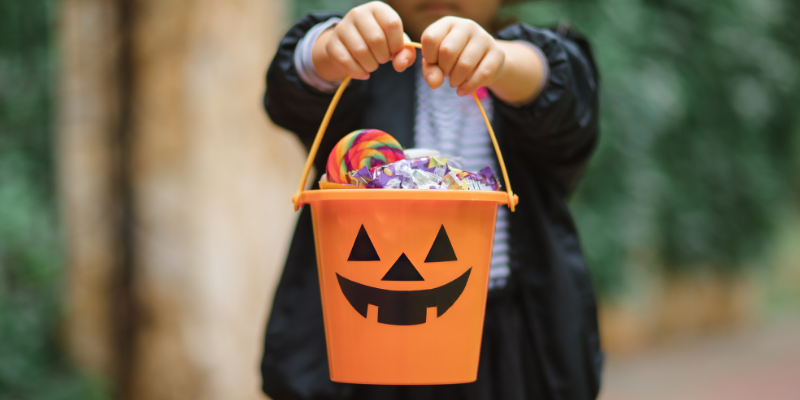
Halloween is quickly approaching. As kids pick out costumes and prepare for trick-or-treating, parents are preparing for the candy their children will be eating on October 31.
Families are often told to limit sugar and candy for kids to protect their teeth from cavities and to support their health, but on Halloween, it’s hard to avoid eating candy. How can parents encourage their kids to protect their teeth and oral health on the sugary holiday?
Theodore ‘Teddy’ Shille, DDS, MEd, BAS, is the Sheridan Health Services Dental Director. Sheridan Health Services is a nurse-led clinic run by the University of Colorado Anschutz College of Nursing. As a dentist, he works with all ages, including young children.
He shares some tips on how parents can support their child’s oral health before and after the spooky night.
What Happens to Our Teeth When We Eat Candy?
Oral health is especially important because the mouth is a gateway to the rest of the body, and its health can affect overall well-being.
“The mouth is intimately connected to the rest of the body. Lots of sugar, lots of high fructose corn syrup, all this kind of stuff. This is just not good for us systemically,” Shille says. “It can lead to diabetes, and just poor nutrition in general.”
Shille explains that whenever we eat food, the pH of our mouth changes to become more acidic, and cavity-causing bacteria love an acidic environment, which allows them to feed and reproduce. The more bacteria, the more likely it is that a tooth gets a cavity, and that can lead to even more serious dental issues.
How long candy stays in your mouth also has an impact. If you are sucking a lollipop that stays in your mouth for a long time, that means the pH levels are decreased for longer and bacteria can multiply. On the other hand, chewing up and swallowing a small chocolate bar takes far less time, and so the low acidic pH doesn’t last as long.
Frequent snacking isn’t good either. Shille recommends eating a sweet treat with or right after a meal so that the mouth’s pH level is lowered all at once, rather than many different times. “If you're snacking all day, your pH is going to be chronically low and you're going to have a much more acidic and bacteria-friendly environment,” he says.
What Are Bad Candies and What Are Good Candies?
Not all candies are equal. Shille says some candies can be far worse for oral health than others. Chewy or hard candy, like Starbursts and Airheads can break teeth, pull off crowns and ortho brackets, or leave sugary residue on the teeth. Acidic candies like lemon drops, and Sour Patch Kids can lower the pH and increase bacteria.
Hard candies that stay in your mouth for a while like Jolly Ranchers are also important to avoid.
Instead, stick with candies that are easy to eat and stay in your mouth for a short period. These may be candies like Smarties, M&Ms, and chocolate bars.
Dark chocolate-based candies can have less sugar content and can be a better option. Especially chocolate with coconut or nuts to add fibrous materials and protein.
There are other sugar options that are less likely to cause cavities because the bacteria can’t feed on it.
“There's a sugar called xylitol, and it is in a lot of products these days, like hard candies, mouth lozenges, chewing gum, all sorts of stuff. And that is a sugar that the bacteria cannot use,” Shille says. So check labels when buying candy.
Trick-or-Treating Schedule

Dr. Shille dressed as a pirate for Halloween and waits for trick-or-treaters. |
Planning the afternoon and evening around your child’s trick-or-treat schedule can help prevent future cavities and stomach aches. Shille recommends that kids have a full, healthy meal before they go trick-or-treating, so they aren’t hungry while they are out.
“Then they’re not going to be coming home from school, skipping their snack, rushing into their costume and going out trick-or-treating right away. If they are hungry, then all they've got is sugar and they just want to fill up on all the sugar.”
He also recommends making sure kids brush their teeth after dinner and before trick-or-treating. With a minty mouth, they may be less likely to want to snack right after brushing, creating some buffer time before candy eating.
Inevitably, kids will be snacking on some sweet treats during the evening. Shille says drinking water after eating candy is important to clean off sticky residue or sugar.
“Have a water bottle with you, eat the candy, and then right afterwards rinse and swallow, so you can rinse the rest of it off,” he says.

Dr. Shille and his wife dress up as characters from "Coco" for Halloween. |
Kids and adults should wait 30 minutes before brushing their teeth after eating candy or other acidic foods.
“Many folks think ‘I have to brush right away after having something that is really sweet or sour.’ But sour candy has a lot of acidic content, it can soften the enamel. And so the toothbrush bristles themselves could actually cause damage if you brush while the enamel is soft,” he says. Sweet acidic foods can soften the enamel more than everyday healthy foods we eat for dinner.
Shille is actually a big Halloween fan. Every year he creates a new theme at his house for kids trick-or-treating. Unlike the movies where dentists give out toothbrushes, he provides sweet treats.
“As a dentist, a father, and a dark chocolate lover myself, I know sugar can’t be avoided on Halloween,” he says. “But it’s important to remember that eating candy, no matter what time of year, is all about moderation.”