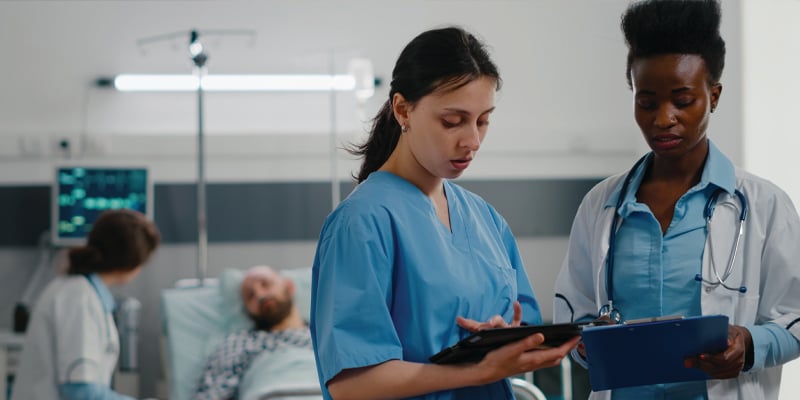
Precepting is essential for undergraduate and graduate nursing programs. A preceptor is a nurse or healthcare provider who provides you with one-on-one teaching and supervision during clinical experiences to ensure you’re confident and competent in nursing practice. Preceptors teach you how to perform procedures, document patient information, and provide patient care.
At the graduate level, your preceptor will guide you differently compared to when you were an undergrad. What should you know? How should you prepare?
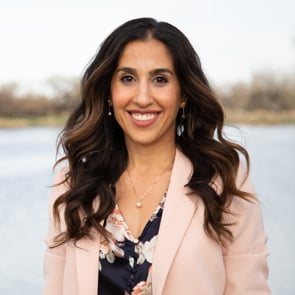
Dr. Nahid Kalani is an alumna of the University of Colorado Anschutz College of Nursing, where she earned her bachelor’s degree (BSN), master's degree (MSN) with a Family Nurse Practitioner specialty, and Doctor of Nursing Practice (DNP). She is one of the college’s many preceptors and precepts students in the college’s FNP program. Dr. Kalani is a primary care NP at Rocky Mountain Medical & Health Care in Denver, where she works with her dad to provide care to patients primarily on Medicare and Medicaid.
She gives her insight and expertise about what you should know as you start your clinicals as a graduate student.
Understand What Your Preceptor Does
“As a student progresses in their education, the preceptor hands off a lot of duties to the student,” Kalani says. “Students will see the patient, get the patient’s history, and come up with a plan to manage their needs. Then they come talk to me and I’ll tell them what I think, and we’ll go over everything to make sure they’re understanding what to do.”
Your Role as an MSN Student is More Advanced
As a graduate student, your role working with a preceptor changes, too. You’ll start thinking and acting like a nurse practitioner. That means in certain settings, dressing professionally (no scrubs, unless you are doing clinicals in a hospital or a procedure clinic) and growing into an advanced practice provider role.
Interested in Being a Preceptor?CU Anschutz Nursing is always looking for nursing leaders who want to mentor and educate the next generation of nurses. Becoming a preceptor is an opportunity to share your nursing expertise, strengthen your leadership skills, and shape the future of nursing care. Visit our Become a Preceptor page to learn more, or apply to become a preceptor. |
“Graduate students come in, and they’re used to following someone else’s orders, so they want you as a preceptor to give them orders,” she says. “I always ask my students, 'What’s your plan? What should we do?' They should start going through different diagnoses so that when I ask these types of questions, they already have answers.”
Brush Up on Pathophysiology
You might be thinking, "How should I prepare to work with a preceptor as a graduate student?" Kalani suggests that students review their pathophysiology book a week before starting clinicals.
“If you know your patho, then you can start connecting the dots from a patient’s symptoms to what’s needed to treat them and how to treat them,” she says.
You Can Do This
Kalani says students might feel overwhelmed or nervous when conducting clinicals and working with a preceptor.
“My dad and I will sometimes see 65 patients per day between the two of us, so students might say, ‘I can’t handle this, I’m going to change clinical sites’. But by the end of the day, they love it and understand they can handle going out into the field, make clinical decisions, and learn what it’s like to be a nurse practitioner because I’m helping show them what to do,” she says.
Becoming an Advanced Practice Provider Takes Time
Kalani acknowledges that students won’t know everything on their first day and that’s completely normal. Figuring out diagnoses and medications takes experience.
“Clinical decision making is putting puzzle pieces together, and that takes time to know it all,” she says. “You start to understand what to look for, and then you can start thinking about what’s going on with a patient and how to treat them.”
Your Preceptor Can Become a Mentor
Kalani says she had “amazing” preceptors during her clinical rotations at CU Anschutz Nursing. One of her first preceptors, during the COVID-19 pandemic when she was an undergraduate student, gave her the confidence that she could become a nurse.
“He was always telling me, You can do this. Go see the patient,” she says. “And that’s what I enjoy about being a preceptor because I tell that to my students, too.”
In fact, she still keeps in touch with that same preceptor to ask questions or get advice.
“I tell my students it’s okay if you text me. When you pass your boards, I want you to tell me so we can celebrate. My preceptors did that for me, so I want to do that for my students,” she says.
What Makes a Good Preceptor
Kalani’s preceptors passed down their nursing knowledge and “pearls of wisdom”, she says, adding, “those were some of the best clinical experiences I had.”
A good preceptor is someone who lets go of some control and lets students grow and learn – because at some point, a student will be someone’s nurse practitioner and will be doing everything on their own.
“Preceptors are helping shape the future of our healthcare system, and as a preceptor, your empathy, guidance, and clinical wisdom that you’re providing these students is important,” she says. “One day these students are going to be the ones taking care of your family and friends, so it’s important we have nurses to precept not only for our healthcare system, but for our community.”