
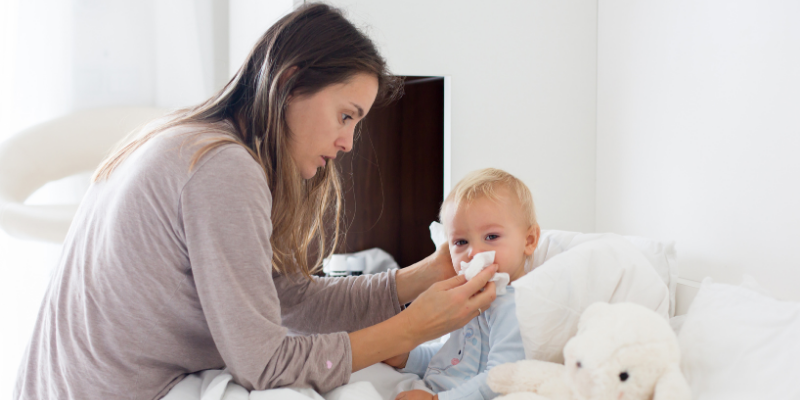
The weather is cooling down, the leaves are dropping, and respiratory illness season is upon us. One common illness impacting children is respiratory syncytial virus, otherwise known as RSV.
RSV is a virus that causes lower respiratory tract symptoms and can lead to more serious illnesses such as bronchiolitis and pneumonia. Common symptoms include fever, runny nose, coughing, and sneezing. While anyone can get RSV, it most commonly affects young children.
Parents and families are often hearing about the risks of RSV, which can add fear and anxiety to the fall and winter season. But being informed about RSV is the first step to being prepared.
“Any respiratory virus can be scary and nerve-wracking for families. When it comes to RSV, it’s important to have the knowledge and the understanding of what to look out for, how to manage it, and when to take our children in for a higher level of care,” says Dr. Mia Roberts.
Roberts is the maternal child practice lead at Sheridan Health Services, a nurse-led clinic run by the University of Colorado Anschutz College of Nursing. She has seen many RSV cases during her nine years working at the clinic and says that most kids will have had it by the age of two.
Despite how common RSV is, Roberts recommends always taking it seriously.
What’s the Difference Between RSV and the Common Cold?
RSV can often be confused with the common cold, but the two are different illnesses that impact different parts of the respiratory area. The respiratory system has two tracts, the upper and the lower. The upper tract includes the nose, sinuses, mouth, and throat, while the lower tract includes the windpipe, bronchi, and lungs.
“When we think about a cold, we think about that upper respiratory infection. While RSV causes more lower respiratory symptoms,” Roberts says.
While they both have similar symptoms, RSV is more severe and can lead to other serious issues. Children with RSV may lose their appetite and become dehydrated. Roberts says sometimes patients need IV fluids to regain hydration. Because RSV infects the lungs, patients, and especially kids, can have a hard time breathing.
Since many young children can’t talk to explain their symptoms it’s important to take note of their behavior. Roberts says there are a few tell-tale signs that a child is struggling to get air.
“It can look like tugging or retraction. It can mean nostril flaring and wheezing in particular. It can just cause a very, very low activity level and a lot of fussiness and irritability in our children,” she says.
If parents think their child may have RSV, they should take them to their primary care provider to get tested and diagnosed.
“An RSV swab is something that we often do at Sheridan, especially when we have a very sick kiddo. Alongside a flu and a COVID screen, you can also be tested for RSV,” Roberts says.
Treatment and Risks
Most mild cases of RSV can be treated at home. If kids are not struggling to breathe and are staying hydrated, their treatment can be similar to any other respiratory infection.
“Think about suctioning and nasal saline spray and just ensuring that that child is hydrated, drinking enough fluids, whether it is breast milk, formula, or Pedialyte,” Roberts says. “And then of course, comfort measures like acetaminophen or ibuprofen, age dependent, if that child has a fever.”
If a family is taking all the right measures and a child is still struggling to breathe, emergency medical treatment may be necessary. It is important to monitor RSV symptoms as it can sometimes turn into bronchiolitis or pneumonia, which can require more intensive care.
“If a child has gotten to the point where we're worried about severe dehydration or we are worried about respiratory distress, then those are reasons to seek emergency care.”
Children under two years of age are the most at-risk population to RSV because they have smaller airways and lowered immune protection.
Prevention Methods
RSV is found in saliva droplets from coughing, sneezing, runny nose, or drooling. Droplets can be inhaled in the air and infect others.
“If a child is touching a surface, putting something in their mouth with a lot of drool, RSV will transmit very easily because it can live on surfaces for several hours usually,” Roberts says.
Disinfecting household items and items kids come in contact with can help decrease risk of exposure to others.
Interested in Getting the RSV Antibody Treatment for You, Your Child, or Your Infant?Sheridan Health Services provides the antibody shot to eligible patients. Not a patient yet? Check out the clinic’s website and find a provider that meets your needs. |
“Try to thoroughly clean toys and other objects with soap and water, especially those that children are putting in their mouths,” she says.
Make sure to wash hands regularly, especially after coughing or wiping your nose. And it’s important to stay home and away from others while you are sick.
Another way to prevent RSV is to receive an antibody treatment. As of 2023, a new FDA-approved antibody shot became available to infants. A vaccine is also available for pregnant people. Infants don’t have a strong immune system, so these injections boost their immunity to protect against RSV.
Pregnant people can receive the RSV vaccine to help support the unborn child between the 32-36 week gestational period. If an infant’s mother did not get vaccinated for RSV during the pregnancy, that infant can receive the antibodies within their first RSV season as long as they are younger than eight months of age.
“That child has about six months of protection from RSV after they are born. And so that's why the timing of these injections is very important,” Roberts says. She adds that “there is a population between eight months and two years of age that can receive a second round of antibody treatment if they are vulnerable to the RSV disease.”
Parents can reach out to their pediatric health care provider to learn more about the antibody treatment.
“RSV is part of our respiratory season and sometimes can cause more mild symptoms and sometimes can be unfortunately very severe,” Roberts says. “Prevention practices are key and they’re important so our children can stay protected.