From your experience, what are the most common eye injuries that can arise from Halloween festivities?
The most common eye injuries fall into three main categories. The first is a traumatic injury, often from props and accessories. This includes corneal abrasions or a scratch on the eye, as well as hyphema or bleeding in the eye from something hitting or poking the eye.
The second category includes corneal infections or scarring from non-prescription, cosmetic contact lenses. The third category includes allergies or irritation of the eye from harsh makeup or eyelash glue used to put on false lashes.
You should be especially careful when using glitter or eyelash glue. Glitter can easily get into the eyes and cause scratches or infections. Eyelash glue has a high risk of irritation, and it is easy to accidentally use non-eyelash glue, such as superglue, and glue your eyelashes together.
If a person plans to use colored contact lenses to change their eye color on Halloween, what should they be aware of?
Non-prescription colored contact lenses can be extremely dangerous for several reasons. Contact lenses are not “one size fits all,” and ill-fitting lenses can cause scratches on the cornea. There is also a high risk of corneal infections, which can also cause long-term vision issues and scarring of the eye.
For all contact lenses, you should get a prescription from an eye care professional, like an optometrist or ophthalmologist, to ensure a proper fit of the lens, even if you are only planning to use them cosmetically. The lenses should be purchased from a retailer that requires a prescription and only sells contacts approved by the Food and Drug Administration.
You should also remember to follow proper contact lens hygiene, which includes never sleeping in your contacts or sharing contact lenses.
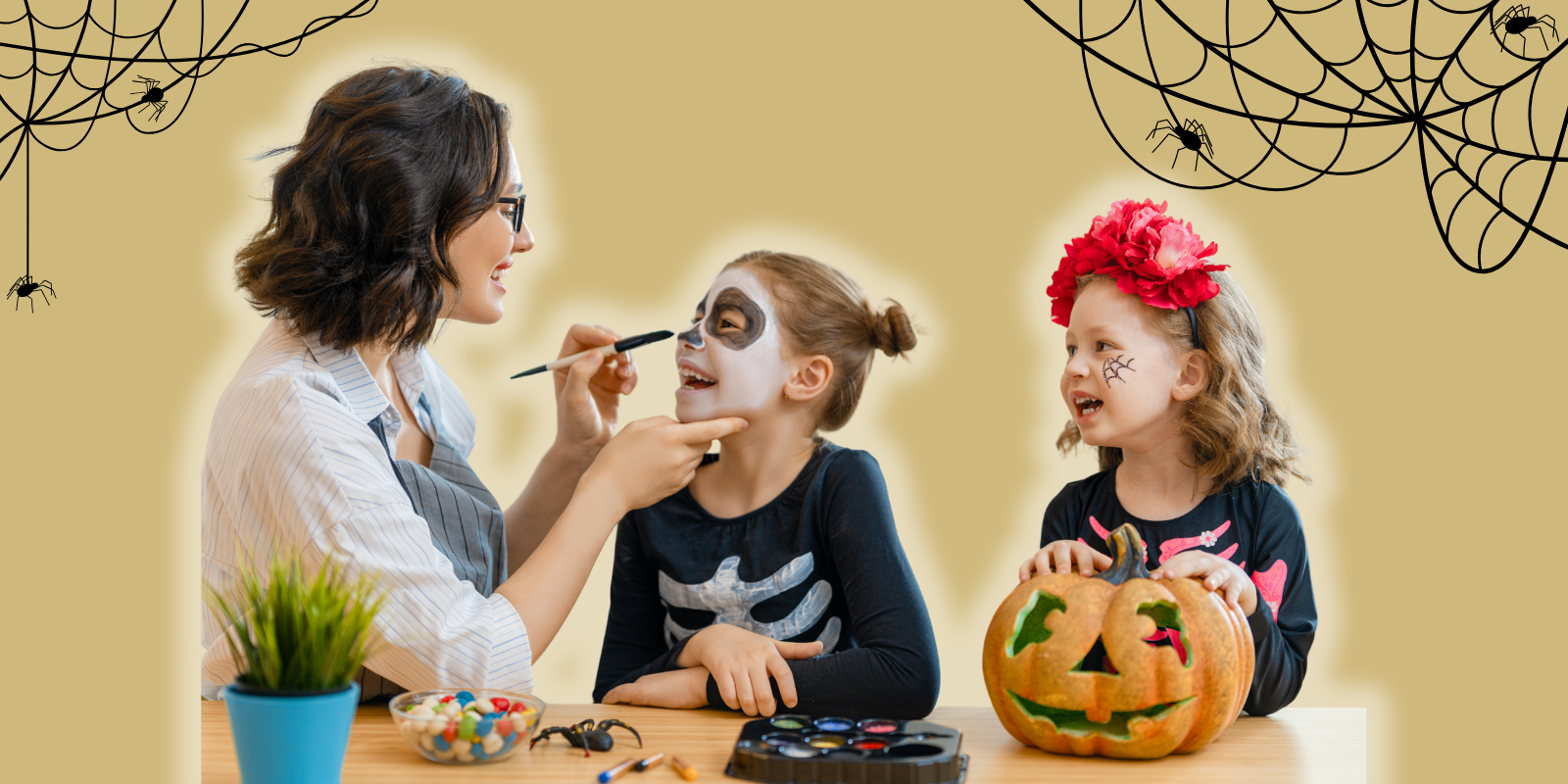
If a person wants to use face paint, what advice do you have for them? Are there any alternatives you recommend they consider?
If you use face paint, I recommend using high-quality or hypoallergenic face paint. Avoid putting it near or around the eye by applying the paint above the eyebrow or on the cheek. Safer alternatives include wearing a face mask or using temporary tattoos instead.
What are your tips on how to safely clean off eye makeup and face paint near the eyes?
I recommend a gentle but effective facial cleanser, keeping in mind that the skin around the eye can be very sensitive. Remember to remove contact lenses first, if you are wearing them. Double cleansing with micellar water, cold cream, or an oil-based cleanser can also help gently remove makeup.
If someone does get face paint or makeup product(s) in their eyes, what should they do?
You should first irrigate or wash out the eyes with clean water or a sterile saline solution for 15 minutes and remove any contact lenses.
If you experience any of the following symptoms, seek care immediately: any vision changes, persistent pain or foreign body sensations, discharge from the eye, or excessive eye redness and swelling.
Overall, what do you want children and parents to be mindful of this Halloween?
I recommend being mindful of the type of product you are putting near the eye and making sure it is being safely applied. Try to avoid using products near the gentle skin that is immediately around the eyelid. Do not use expired makeup and try to avoid costumes that have a high risk for eye injury, such as costumes with swords and wands.
Also, be mindful of your environment while trick-or-treating. Halloween night is often dark, crowded, and busy with children running excitedly with heavy bags of candy. Carry a light and watch your feet to avoid falling, as that could result in orbital trauma or other injuries.