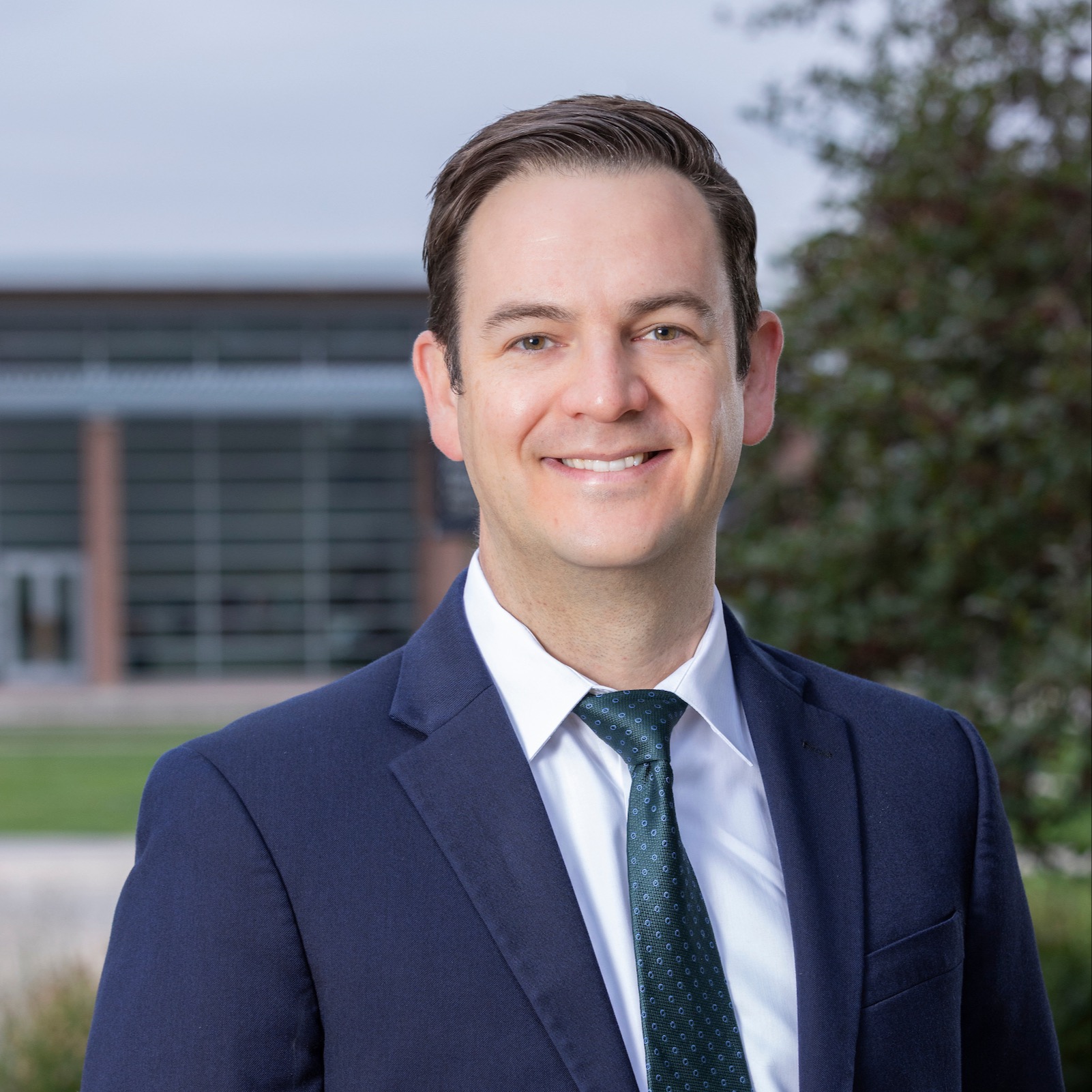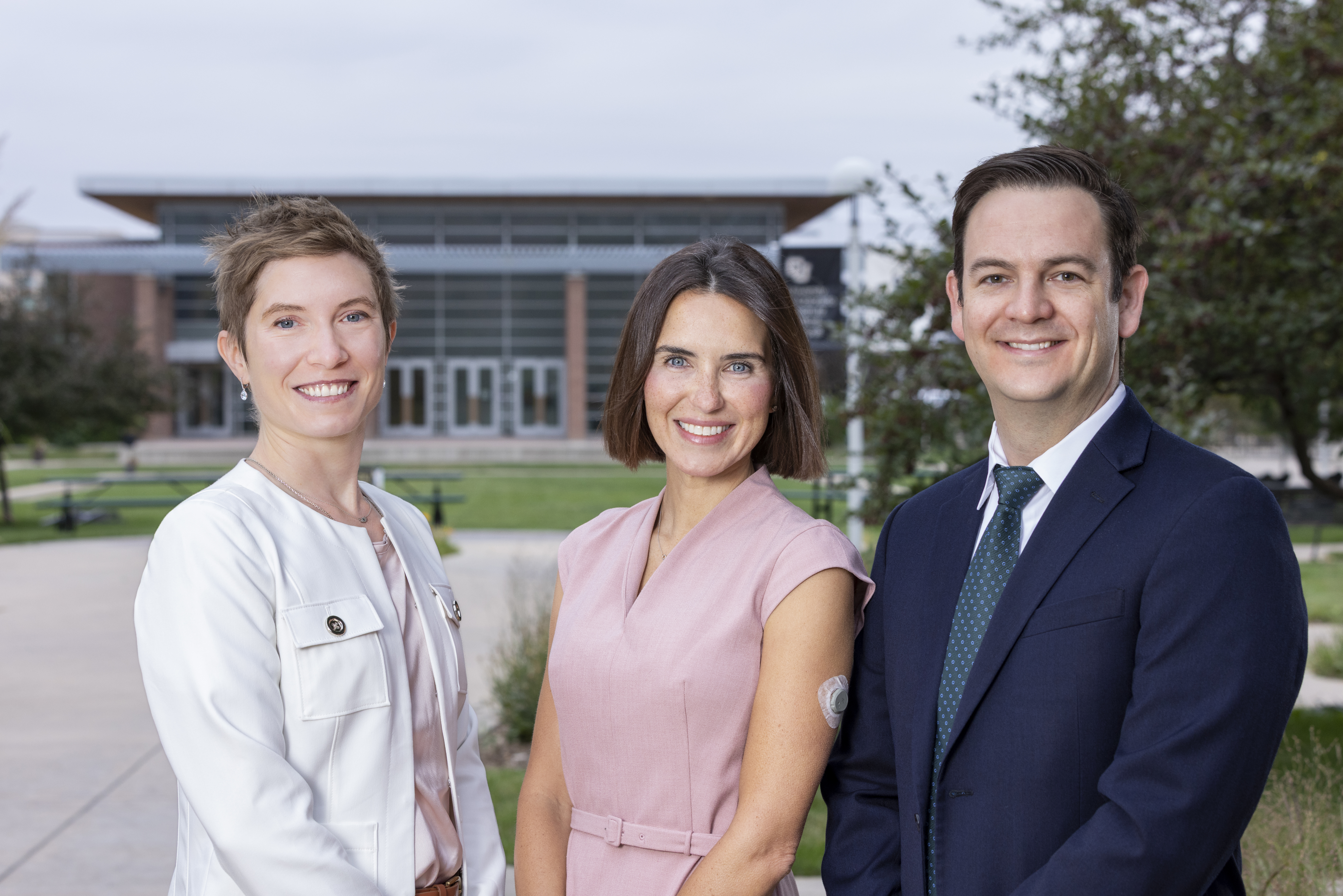
It is a busy morning in the emergency department at the UCHealth University of Colorado Hospital, and a second-year ophthalmology resident has been paged to the emergency room for consultation on an eye trauma case. Daniel J. Ozzello, MD, an assistant professor of ophthalmology at CU Anschutz, joins to help evaluate the patient.
A fellowship-trained oculofacial plastic and orbital surgeon, Ozzello is an ophthalmic hospitalist, which is an ophthalmologist who specializes in coordinating the care of complex eye patients admitted to the hospital. In his role, he also trains residents at the Sue Anschutz-Rodgers Eye Center on providing this care.
The CU Anschutz Department of Ophthalmology is one of only a few academic eye centers in the United States with an ophthalmic hospitalist who support residents. In many other residency programs, ophthalmology attending physicians are available to consult via phone, but they are not often in the hospital room with the on-call second-year residents, who are instead staffed by other ophthalmology residents who are further along in their training.
“Instead of it just being the residents teaching themselves, they have somebody who can coach them through these challenging and complex situations,” Ozzello says.
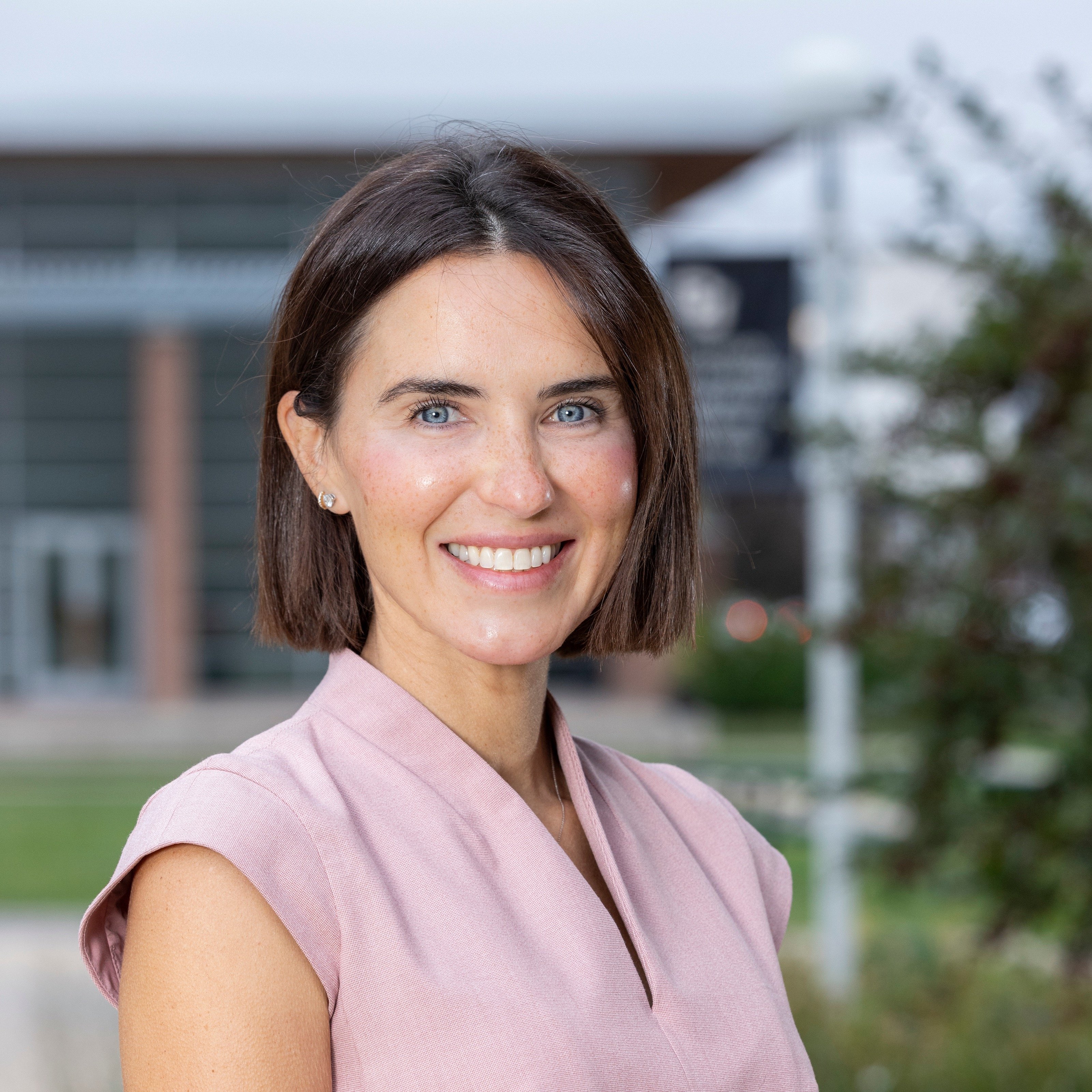
Having an ophthalmic hospitalist like Ozzello see patients alongside medical residents not only supports the trainees but also benefits patients, explains Monica Ertel, MD, PhD, associate professor and director of the Department of Ophthalmology Residency Program at the CU Anschutz School of Medicine.
“Instead of making patients feel like a teaching tool, they are often more comfortable because they have two physicians looking at them, which offers the opportunity to catch things that one single person could miss,” Ertel says.
Training world-class ophthalmologists
First-year ophthalmology residents complete their intern year in partnership with the CU Anschutz Department of Medicine before beginning their three years of specialized education.
Throughout their training, CU ophthalmology residents are exposed to a high volume of eye cases as they rotate at four different Denver metro area hospitals, including UCHealth, Denver Health, Children’s Hospital of Colorado, and the Rocky Mountain Regional Veterans Affairs Medical Center, each with a wide range of patient populations with distinct clinical challenges.
The different locations offer the residents the opportunity to gain experience in rare ophthalmic specialties, such as uveitis, neuro-ophthalmology, and pediatric care, in addition to more common sub-specialties like cornea, glaucoma, and vitreoretinal diseases.
When the second-year residents begin their inpatient training at UCHealth, they receive significant one-on-one coaching about every aspect of patient care, including how to best conduct an exam, document information, and communicate with patients and other teams in the hospital.
“More autonomy comes as they gain experience, and I become more of a consultant for them instead of a coach,” Ozzello says, who also serves as one of the co-assistant directors of the residency program.
In addition to their ophthalmic rotations, the residents also receive innovative classroom education led by Caroline Vloka, MD, the other co-assistant residency director. Vloka, an assistant ophthalmology professor, is currently pursuing a master's in medical education and is translating her program learnings to enhance the residents’ educational experience through unique didactic lectures.
Residents also have access to a wet lab, a hands-on training environment where they practice medical procedures using donated human tissue and animal models, as well as a robotic surgical simulator for additional training.
Chasing excellence in a busy environment
The Sue Anschutz-Rodgers Eye Center serves the largest geographic segment of the nation among academic eye centers.
“Our residents are some of the busiest in the country because they have patients who are transferred in from all over the United States,” Ertel says. “Working in collaboration with Ozzello and other faculty attendings offers them the opportunity to grow as clinicians and practice safely in high-pressure environments.”
The large patient population equates to diverse pathology, allowing the residents to experience an array of cases, from routine conditions to rare vision-threatening and life-threatening cases.
“They aren’t just seeing these cases once,” Ozzello says. “They’re seeing them over and over and becoming some of the best trained ophthalmologists because of that.”
Accelerating future care
In addition to spearheading this novel training methodology, Ozzello's role as a hospitalist has had a positive impact on cross-departmental collaboration. Recently, he partnered with other medical specialties, including emergency medicine, neurology, neurosurgery, and otolaryngology, to develop joint patient protocols for vision-saving interventions, such as treating facial trauma or strokes in the eye.
“The collaboration is great for our residents to see, because that is how we affect future change in medicine—when we work with our counterparts on all levels toward the goal of collectively improving patient care and safety,” Ertel says.
According to Ertel, she is most proud of how the CU ophthalmology residency program’s mission stays rooted in providing the best care possible to patients.
“Our faculty work really hard alongside the residents to provide exceptional patient care,” she says. “Their hands-on mentorship has the potential to positively change the lives of patients for decades to come.”
“I don’t want to limit the residents’ growth potential. I want to accelerate it,” Ozzello echoes. “My goal is that by the time a resident finishes their training with me, they feel like they can handle anything that comes in the door. They’ve seen it, they can handle it, and then, they can go out and teach other clinicians to do the same thing.”