Why might someone wear an eye patch? What are the types of conditions that an eye patch can help treat?
An eye patch is often used for occlusion therapy, which is a treatment of amblyopia. This condition arises when the visual input to the brain is different between the two eyes, so one eye has stronger vision than the other. It’s really an issue with the brain, not the eye, because the brain is not learning how to see from the weaker eye.
In occlusion therapy, we use an eye patch to cover the stronger eye so the child has to use the weaker eye. That basically helps strengthen the connections between the weaker eye and the visual cortex so that the brain will learn to use the eye that it had been ignoring before.
How common is amblyopia, and what causes it?
Amblyopia is common, affecting roughly 2% to 3% of children in the United States. It’s the most common cause of vision loss in kids. In my work, I see multiple kids a day who have an eye patch. It’s a big part of my practice.
A common reason that kids get amblyopia is because the refractive error is different, or the glasses prescription is very different, between the two eyes. Anything that blocks the path of light from getting to the eyes, such as a cataract or the eyelid being positioned low, can cause amblyopia. Strabismus is another common cause of amblyopia, because if one eye is turning in or out, then the brain is ignoring that eye as well.
How long do patients with amblyopia have to wear an eye patch?
Some studies show that for children with moderate amblyopia, wearing a patch for two hours a day may be as effective as wearing a patch for longer. However, for our patients who have dense amblyopia where the difference in vision between the two eyes is severe, we will ask them to wear a patch for a longer period each day.
The length of time a patient wears a patch depends on how severe the amblyopia is, how young the child is when they started the treatment, and patient adherence. For example, it is typically much more difficult to treat a baby who was born with a cataract compared to someone who has a slight difference in refraction between the two eyes.
Do adults with amblyopia wear eye patches, or is it just for children?
Amblyopia can only be treated during the critical period of visual development, so it is not something that we can treat in adults because the brain is essentially done with its visual development at that point. We can’t correct amblyopia with glasses, contacts, surgery, or anything like that because it is a brain problem and not an eye problem.
Treatment of amblyopia is very time sensitive, and it’s important that we intervene early. Sometimes a parent will ask, “My baby is only 18 months old — do they really need to wear an eye patch right now?” The answer is yes because the sooner we treat it, the better the outcomes are.
What are the potential consequences of not treating amblyopia early? How can it affect adults’ lives?
If amblyopia goes untreated, adults often will have one eye that is their “good” eye and another that sees poorly. We call this being functionally monocular. If they were to get an injury in their stronger eye, then they have to rely on their weaker eye to see, which can be difficult and impact their day-to-day lives and tasks like driving.
I’ve had patients who said that they were told they needed to wear an eye patch as a kid, but they didn’t. They ask me what they can do now to improve their eye’s vision — and the answer, unfortunately, is nothing.
What has been some of the feedback you’ve gotten from patients who need to wear an eye patch?
It’s a really hard thing to get kids to do, and it’s a hard thing to ask parents to do. Kids usually hate wearing it because it’s not fun to cover the eye that sees much better and have to use your weaker eye. And if the patient is only 2 or 3 years old, getting them to put an eye patch on can be difficult.
For older kids, they may face the stigma of having to wear an eye patch at school around their peers. Anything that sets a person apart or makes them different can cause a lot of questions from other people. There have been studies showing that children with differences in their eyes may deal with bullying and experience adverse mental health effects such as feeling lonely and different from others.
How significant do you think “Elio” is in showing a positive representation of a child who wears an eye patch, and why does this representation matter?
Amblyopia is a common condition, and many people know someone who uses an eye patch, which is why it is important to have representation in the media.
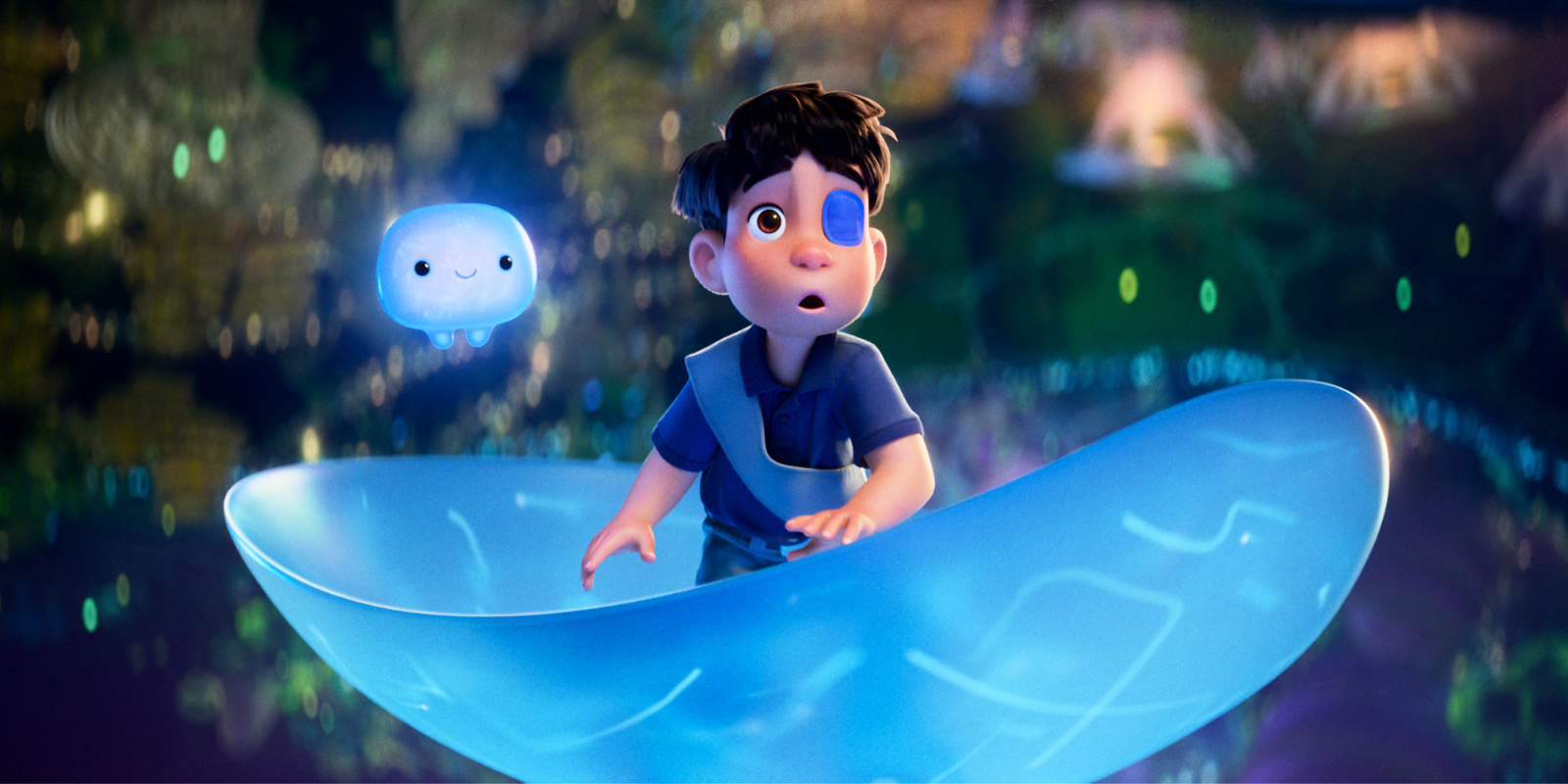
Young kids often mimic a lot of behaviors that they see around them. When I’ve seen kids whose parents wear glasses and I have to prescribe them glasses, they’re excited because they get to be like their parents. Given that there are millions of kids who have amblyopia, seeing a character with an eye patch who is going on intergalactic adventures will help normalize wearing a patch. It validates to children that wearing an eye patch is something other people go through as well.
Overall, what do you hope the outcome of this movie is?
I hope that “Elio” helps reduce the stigma that kids can face with wearing an eye patch, and I also hope it raises awareness about amblyopia. When parents and caregivers see the film, I hope it prompts them to think about their own child’s eye health.
We try to catch everyone who has amblyopia through school vision screenings and pediatricians doing vision screenings, but there are cases where some caregivers may forget that the pediatrician recommended a child see an eye doctor. I hope this movie can help motivate caregivers to think more about eye health and make those appointments to see an eye doctor if needed, because this is time sensitive.
Image at top: A snippet from the movie "Elio," a new animated children's movie. Image courtesy of Disney.





.png)