In general, how can cold weather potentially affect a person’s eyes, particularly if they are skiing or snowboarding?
One of the prevalent issues we see locally for thousands of people is dry eye, a condition where a person’s tears cannot adequately lubricate their eye. Many patients of mine suffer from dry eye, which can cause discomfort, pain, and blurry vision.
It’s an issue people contend with at any elevation and climate, but I find that the climate in the Denver area exacerbates it a lot. If a person with pre-existing dry eye goes to a higher elevation where the air is even drier, such as at a ski resort, and encounters cold temperature and wind, it can make their condition worse. The wind, in particular, can destabilize the tear film, and people may experience blurry vision.
A potential concern some people have is snow blindness. What is that?
The medical term for snow blindness is photokeratitis. Essentially, it is a sunburn on the cornea, which is the clear front windshield of your eye. This injury is caused by UV light, and usually, symptoms don’t occur until 12 hours later or even a day later. This is a pretty rare condition, but if a person is not wearing eye protection such as goggles while participating in snow sports, then being exposed to the UV light reflecting off the snow could result in photokeratitis.
The good news is that the condition is often treatable, and it usually gets better fairly quickly. However, if a person keeps having chronic exposure and damage to the eye surface, then a long-term complication can be a condition some call “surfer’s eye.” The medical term is “pterygium,” and it basically is a benign growth that can grow across the cornea.
How can wearing contacts while skiing or snowboarding affect a person?
People who wear contacts will usually have a harder time. For those who use daily contacts, they know that if the contact is not in fluid for even a minute, it can get dry, hard, and unusable.
So, if you are skiing, you can imagine that if the contact is on the surface of your eye and you’re encountering wind exposure, cold temperatures, and dry air, that can worsen the irritation happening in your eyes. There are some goggles that are built so you can wear glasses under them, and I use that when I ski instead of wearing contacts.
Much of the eye irritation that occurs from skiing or snowboarding is temporary, but what are signs that a person may need medical attention for their eyes?
It depends on what has happened. If a person is experiencing blurry vision that is worsening over time, that is a reason to see an optometrist or ophthalmologist. The stereotypical presentation of dry eyes as it pertains to vision is that when you use artificial tear drops, your vision gets better, then it gets blurry again — it fluctuates. What is more concerning is if your vision is worsening and doing things like blinking or using eye drops does not help.
Eye pain should also not be ignored. If you spent a full day snowboarding in a snowy environment and didn’t wear goggles, and now your eyes are super red and painful, you should get medical attention.
If a person is skiing or snowboarding at night, what are the potential vision impacts they should be aware of?
Your visibility is the biggest factor. Even if a ski resort uses spotlights, skiing or snowboarding at night is sub-optimal. If you are wearing tinted goggles that are designed to block the sun and filter UV, that could be an issue at night because it may reduce your ability to see obstacles like rocks or big drops on the ski run.
If you are skiing or snowboarding at night, I recommend you use clear or yellow-tinted goggles so you have better visibility.
What should a skier or snowboarder do to best protect their eyes?
For people who have dry eyes, the general principle is to replace the tears that are not there, so regularly using artificial tear drops to lubricate the eyes is important. Putting drops in before going skiing or snowboarding may be helpful at preventing symptoms, but overall, having a consistent regimen of applying the drops is key. In my experience, eye drops that advertise the product as removing or relieving redness are not as effective as standard artificial tear drops.
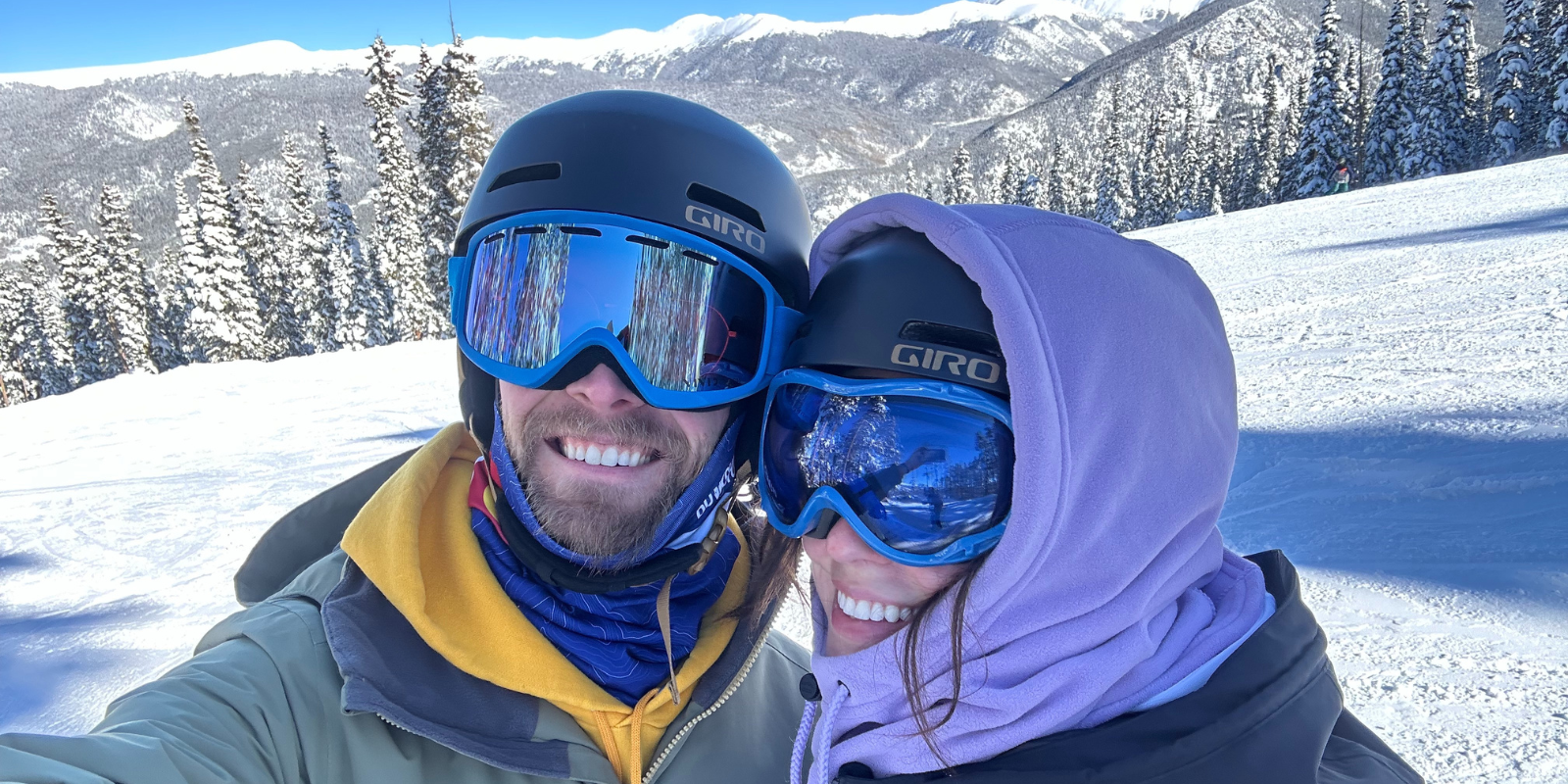
For all skiers and snowboarders, it is important to have eye protection by wearing goggles in addition to a helmet.
Why is it important for a person to wear goggles while skiing or snowboarding?
Goggles are essentially the helmet of the eyes. The foam on the side of the goggle will help keep out wind and create a moisture chamber that helps protect your eyes from dry eye symptoms. Having goggles with UV protection will also help prevent snow blindness.
Goggles also help protect you from potential eye trauma. If you are skiing or snowboarding near trees, for example, you want to protect yourself from particles falling from the trees, such as pine needles, and landing in your eyes. Eye injuries can happen, and these accessories could be the difference between you needing an eye surgery or not.




.png)

.png)