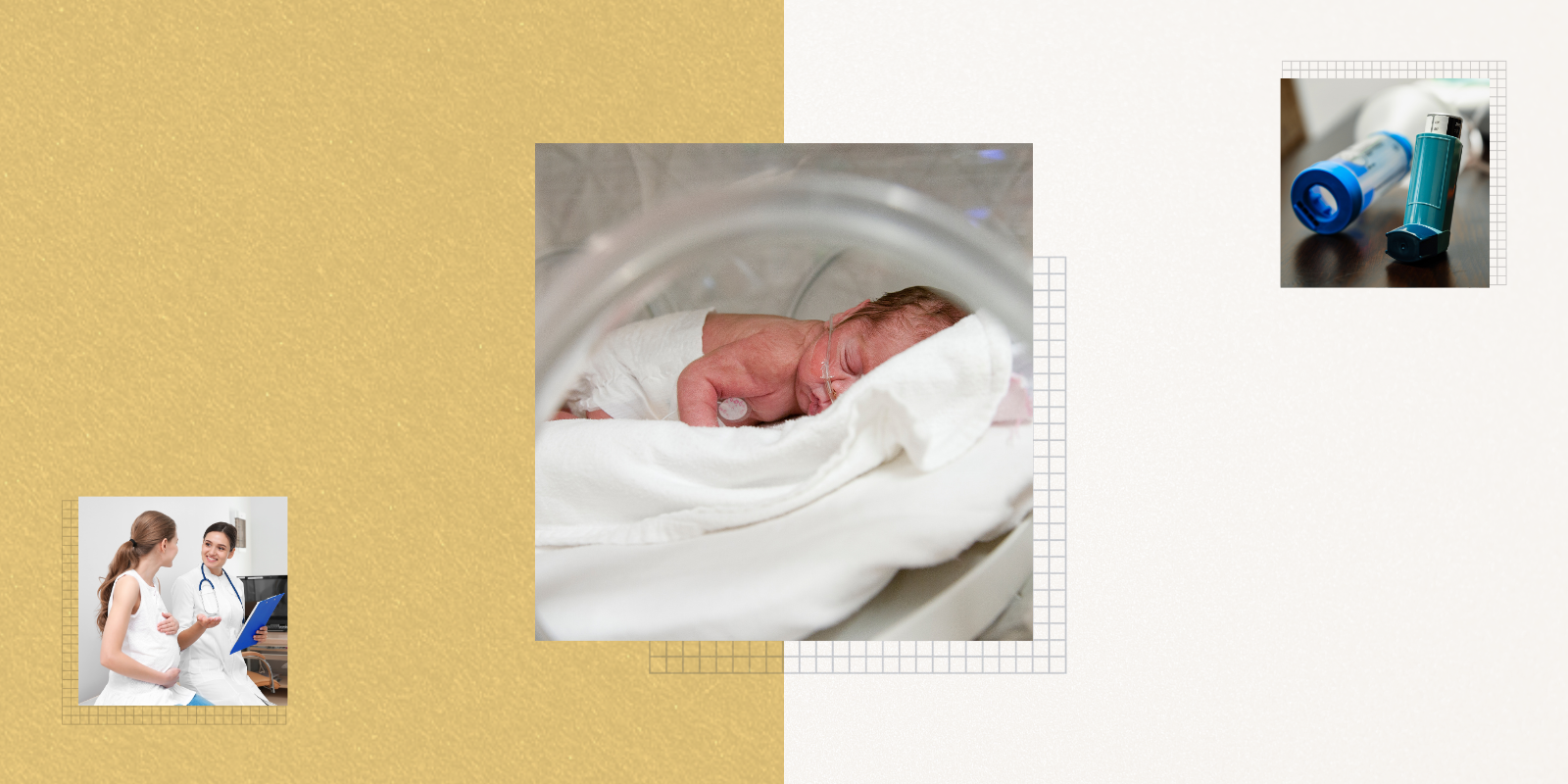
Premature infants of mothers with asthma may be more likely to need treatment for a serious and potentially vision-threatening eye condition known as retinopathy of prematurity (ROP), according to recent research conducted by alumni and faculty of the University of Colorado Anschutz Department of Ophthalmology.
The observational study, published in February in the Journal of VitreoRetinal Diseases, analyzed data from 2006 to 2024 of premature infants screened for ROP at UCHealth University of Colorado Hospital and Children’s Hospital Colorado. Out of 2,237 infants screened, 13.5% had mothers with a history of asthma, and those born to mothers with asthma were more than twice as likely to develop ROP that is severe enough to require treatment.
“ROP is a blinding disease worldwide, and we’ve historically had only two known risk factors: the infant’s age when they were born and their birth weight,” says ophthalmologist Zafar Gill, MD, a retina specialist at the Retina and Vitreous Center of Southern Oregon. “If we can find other risk factors — especially ones that we can intervene on ahead of time, like with maternal asthma — then we may be able to prevent worse outcomes and really change lives.”
Gill, who completed his residency and fellowship training at CU Anschutz, collaborated with several faculty members and a mentee of his, Dallin Milner, MD, who was an ophthalmology resident at the time, on the research. Both were surprised and excited by the findings and the potential to improve care on an international scale.
“If we can better predict the risk of these infants, then we can hopefully keep a closer watch on those who are more at risk,” says Milner, who is currently a retina fellow at Emory University. “We hope to validate our findings with other institutions, because this research could really impact care moving forward.”
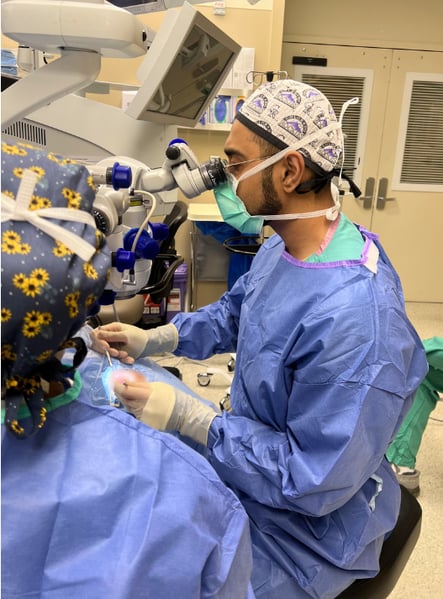 Retina specialist Zafar Gill, MD, conducting surgery. Image courtesy of Gill.
What is ROP?
A leading cause of childhood blindness worldwide, ROP primarily affects infants born before 31 weeks of gestation or who weigh less than 3.3 pounds at birth. The disease is characterized by abnormal blood vessel growth in the retina, a layer of tissue near the back of the eyeball that detects light and transmits vision information from the eye to the brain.
“When you’re born prematurely, those blood vessels have not had time to grow out as far as they need to. In ROP, the pathways of blood vessels can grow in an unhealthy way. It can cause bleeding, scarring, and retinal detachments — all of which can cause permanent vision loss,” Milner says.
Each year, an estimated 14,000 infants are diagnosed with ROP in the United States, according to the American Association for Pediatric Ophthalmology and Strabismus. Most of those cases are mild, with the disease not causing damage to the retina, but it’s estimated that each year, between 1,100 and 1,500 infants in the U.S. develop a more severe case of ROP that requires medical treatment, which may consist of injecting medication into the eye, performing a laser procedure, or conducting surgery.
Retina specialists typically screen for ROP by dilating and numbing an infant’s eyes, placing a camera on the surface of the eye, and examining for abnormal vessels. However, CU Anschutz faculty are currently working to make the screening process less invasive through the use of artificial intelligence.
“For the retina specialist working in the neonatal intensive care unit (NICU) with many babies who need to be screened for ROP, it’s really helpful to know which babies may be at higher risk,” Gill says.
Understanding the impact of maternal asthma
Gill began conducting research to examine what maternal diseases may be linked to ROP, such as diabetes, hypertension, and asthma, in an effort to uncover potential risk factors for ROP beyond birth weight and gestational age. He used records from the CU Anschutz ROP registry from January 2006 (when the database began) to February 2024.
“I checked all these conditions, and I was somewhat surprised that it was asthma that was linked to more severe ROP,” Gill says. “Our research suggests that maternal asthma is a potential independent risk factor for ROP, with infants of asthmatic mothers being two times more likely to need ROP treatment.”
Asthma is one of the most common chronic conditions in pregnancy, affecting an estimated 8.8% of pregnant women, according to the study. When asthma is uncontrolled in pregnant women, it can pose a number of risks to the health of the mother and fetus, Milner explains. Previous research has shown that maternal asthma, particularly when poorly controlled, increases the risk of adverse outcomes such as premature birth, growth restriction of the fetus, and preeclampsia.
“We’ve known for a long time that some pregnant women who have concerns for the health of their baby will stop taking life-saving asthma medications due to concerns for their unborn child, even though studies have shown that these medications, such as steroids, won’t harm the fetus,” Milner says.
Further research is needed to determine why maternal asthma may increase the risk of infants developing ROP. Milner and Gill theorize that it may be due to there being less oxygen delivered to the fetus of a pregnant woman with uncontrolled asthma.
This research suggests that if clinicians can help ensure that an asthmatic pregnant patient’s asthma is controlled, then they may potentially reduce the odds of severe ROP.
“For me, it’s special to conduct research that directly impacts people’s health and can impact recommendations of what people do,” Gill says. “One conclusion of this study is that if you are pregnant and have asthma, it is important to control your asthma because you're actually helping your baby rather than hurting them by taking your medicine.”
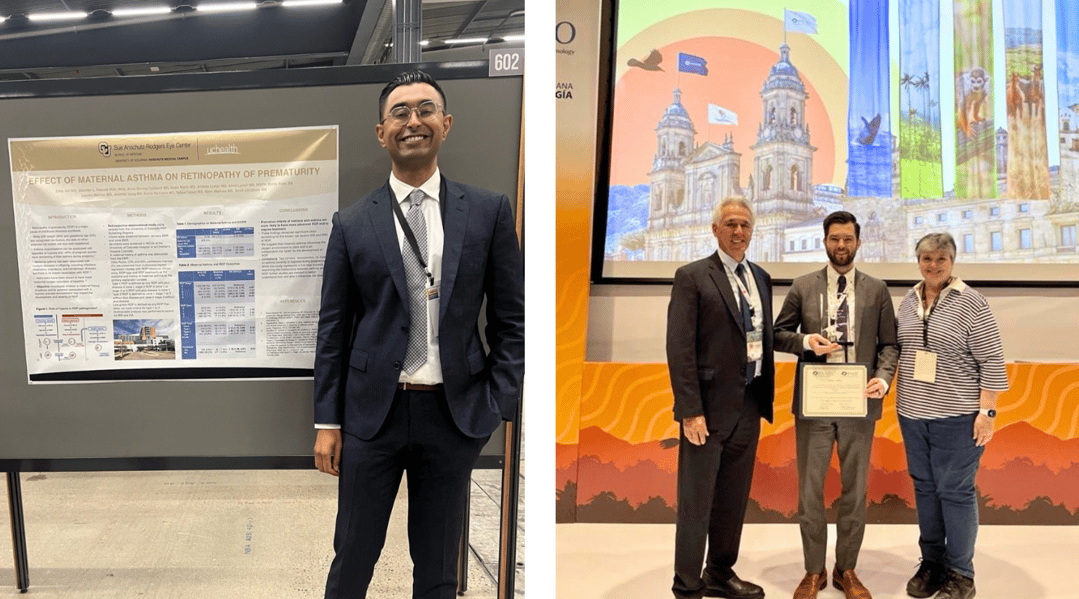 In the left image, Zafar Gill, MD, smiles beside his award-winning poster about the effect of maternal asthma on ROP. In the right image, Dallin Milner, MD, center, smiles while holding an award from the Pan-American Congress of Ophthalmology.
Sharing findings — locally and internationally
Gill and Milner explain an important next step is sharing the research findings with clinicians beyond ophthalmology. They also want to educate those in primary care and OB-GYN to help inform how they approach caring for pregnant women with asthma.
“When I’ve spoken with obstetrics colleagues, they were very interested in the paper because they're always looking for ways to motivate women to continue asthma care,” Milner says. “It's been fun to work with other disciplines — not just ophthalmology — and focus on taking care of the whole patient.”
Gill and Milner have also shared their research with international audiences, even earning awards for their pivotal work. Gill won a 2024 Top Poster Award at a meeting in Sweden hosted by the American Society of Retina Specialists. Meanwhile, Milner won the David & Molly Pyott Foundation Award for Best Paper in Retina from the Pan-American Congress of Ophthalmology when he presented the data in Colombia in 2025.
“I've been really interested in these international meetings because we have so much to learn from international colleagues,” Milner says. “They have a lot of different limitations than us, and those limitations breed a lot of creativity in how they treat their patients. I wanted to learn from them, and it was also nice to give them another data point of patients who may be at a higher risk for needing treatments for ROP.”
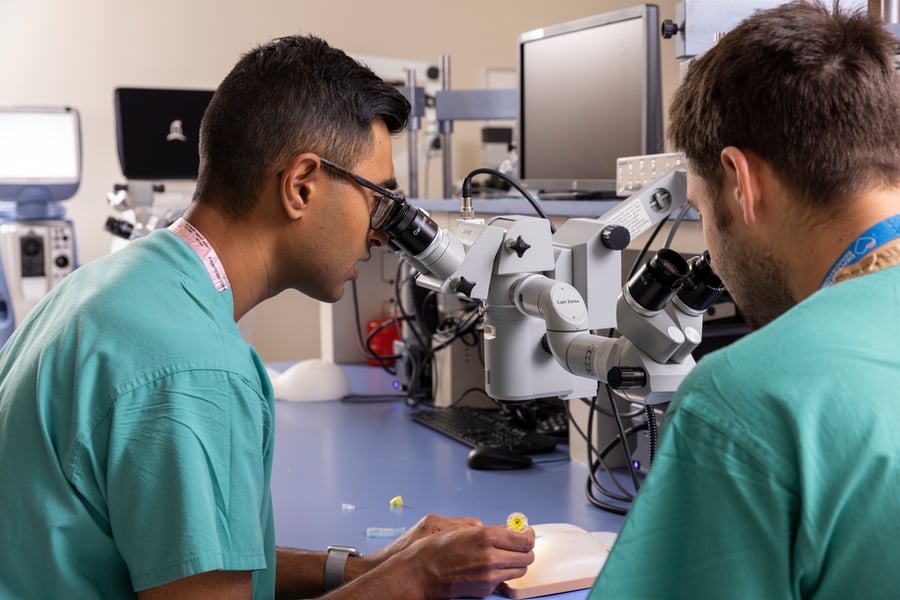 Zafar Gill, MD, left, practicing surgical techniques when he was a resident at the CU Anschutz Department of Ophthalmology.
'A lot of forward thinking’
Gill and Milner say their research would not have been possible without the training, resources, and mentorship they received at the CU Anschutz Department of Ophthalmology.
“There was a lot of forward thinking back in 2006 when faculty started the ROP database, which allows us to ask the question of whether there is something we’re missing that could help future patients,” Milner says. “Something that sets CU Anschutz apart is that not only do we have great researchers, but they also make it easy to work with them.”
Gill agrees, explaining he did not know how to conduct this type of research before his training at CU Anschutz. One of his favorite parts of this project was the opportunity to work with Milner, who Gill met when he was an ophthalmology resident and Milner was a student at the CU Anschutz School of Medicine.
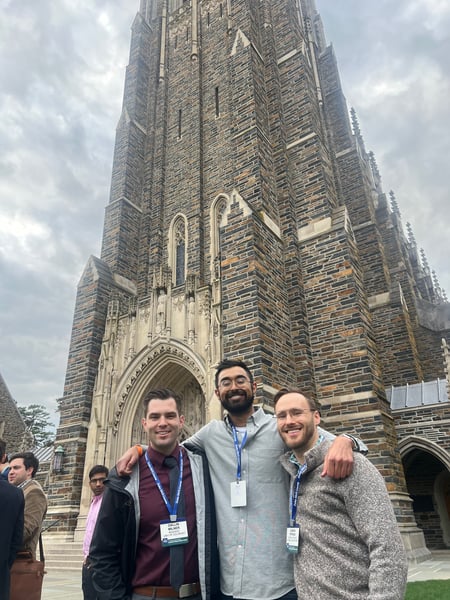 Left to right: Dallin Milner, MD, Zafar Gill, MD, and Carson Petrash, MD, all alumni of the CU Anschutz Department of Ophthalmology, smile together. Image courtesy of Gill.
“We’ve developed a great mentor-mentee relationship and a friendship over the years,” Gill says. “CU Anschutz is a great program for many reasons. One, it’s a leading academic center in the Mountain West region, so you see many different patient cases. Second, the faculty are nurturing and include trainees in the primary aspect of patient care. Third, the culture among trainees is really positive and fun.”
Milner says the training he received at CU Anschutz as a medical student and ophthalmology resident was excellent, helping him prepare for his current fellowship training at Emory University.
“At CU Anschutz, the quality of our training and the number of mentors who care about your education, how you take care of patients, and your wellbeing as an individual is unmatched, in my opinion,” Milner says. “When I started my training at Emory, many of my attendings were shocked at my surgical skills, and that was a testament to the opportunities I got as a resident.”
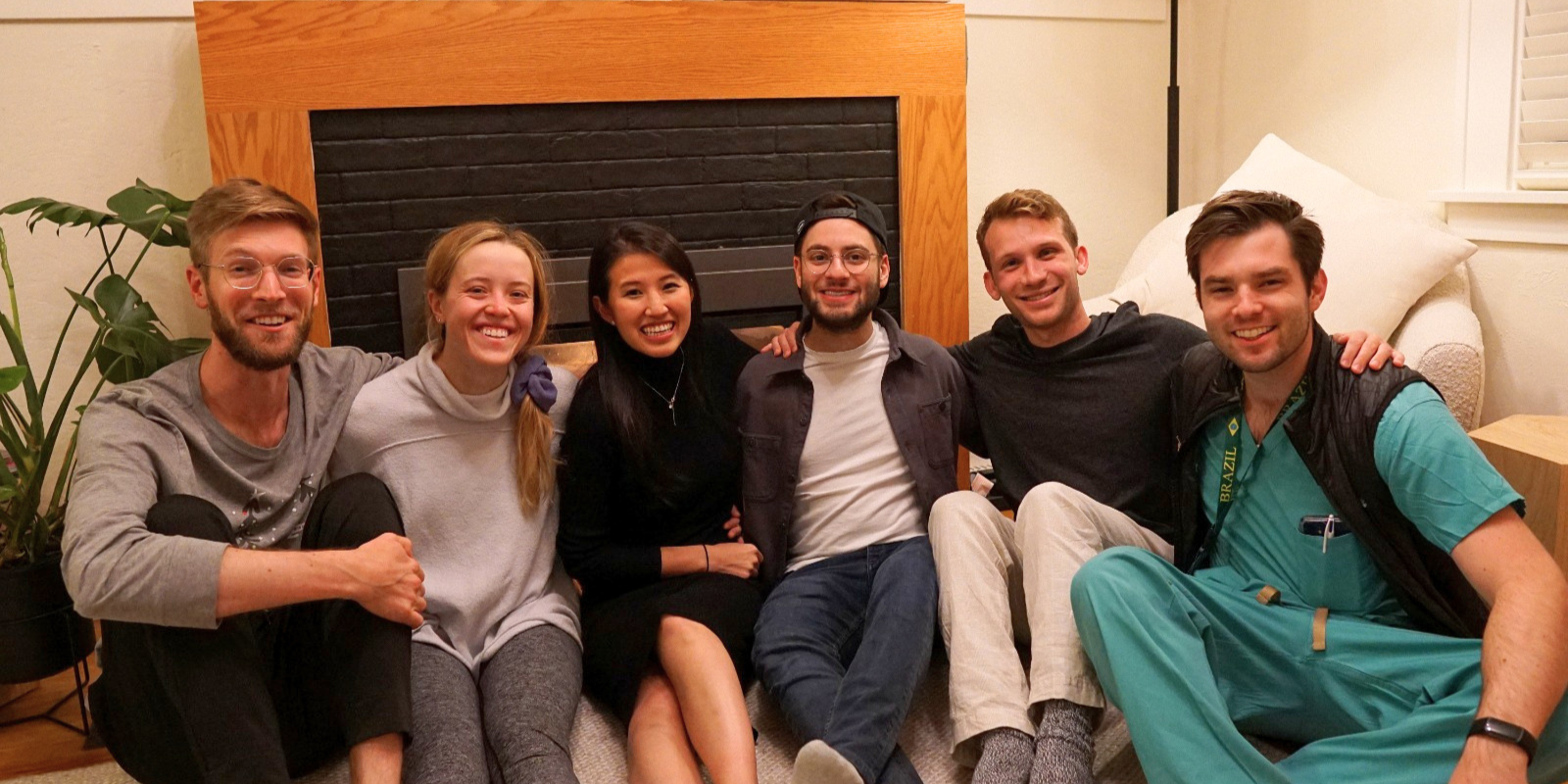 Dallin Milner, MD, far right, smiling with other Class of 2025 ophthalmology residents at CU Anschutz. Image courtesy of Milner.
For current trainees, Gill advises them to lean into their curiosity.
“Even if you don’t think of yourself as a researcher, be curious and find opportunities to make discoveries that can improve clinical care. That can only be done by working with other people, and CU Anschutz makes it easy,” he says. “We find out new information through investigations like this, and at CU Anschutz, we were all on the same page in wanting to use our data to help the people of Colorado and the world in a bigger sense.”