-
Practice nightly eyelid hygiene.
Angela Demetrulias, OD, an instructor of ophthalmology, recommends every person prioritize nightly eyelid hygiene.
“Even if you don't wear makeup, debris can build up at the base of the lashes that can contribute to dry eye, irritation, styes, and an inflammation of the eyelids called blepharitis,” she says. “I usually recommend a gentle cleanser and your fingertips, but you can also buy lid wipes over the counter that are specifically made for the eyelids. Such an easy way to improve the way your eyes look and feel.”
-
Going outside? Protect your eyes.
Protecting your eyes from the sun is important, explains Sophie Liao, MD, associate professor of ophthalmology and associate chief medical officer of ambulatory services for the UCHealth University of Colorado Hospital. She recommends protecting the delicate skin around your eyelids by putting sunscreen on daily — SPF 30 or higher is ideal — and/or wearing a brimmed hat, even in the winter.
“Many people don’t realize just how strong UV rays are here in Colorado, even when the weather is chilly and overcast. Wearing sunglasses or sport goggles is an important part of both eye and sun protection as well,” Liao says. “Taking these simple preventative measures will help protect your eyelids from both skin cancer and wrinkles. Your future self will thank you!”
Jennifer Lopez, MD, an assistant professor of ophthalmology, also urges people to make wearing protective eyewear a habit.
“Use eye protection not just for high-risk jobs, but also for common activities like yard work and home improvement projects,” Lopez says. “Many serious eye injuries are preventable.”
-
Focus on a nutrient-rich diet.
Lopez also recommends people include dark, leafy greens and fatty fish in their diet.
“Diets high in omega-3 fatty acids, lutein, and zeaxanthin have been associated with a lower risk of developing age-related macular degeneration,” she says.
-
Get your routine eye exam.
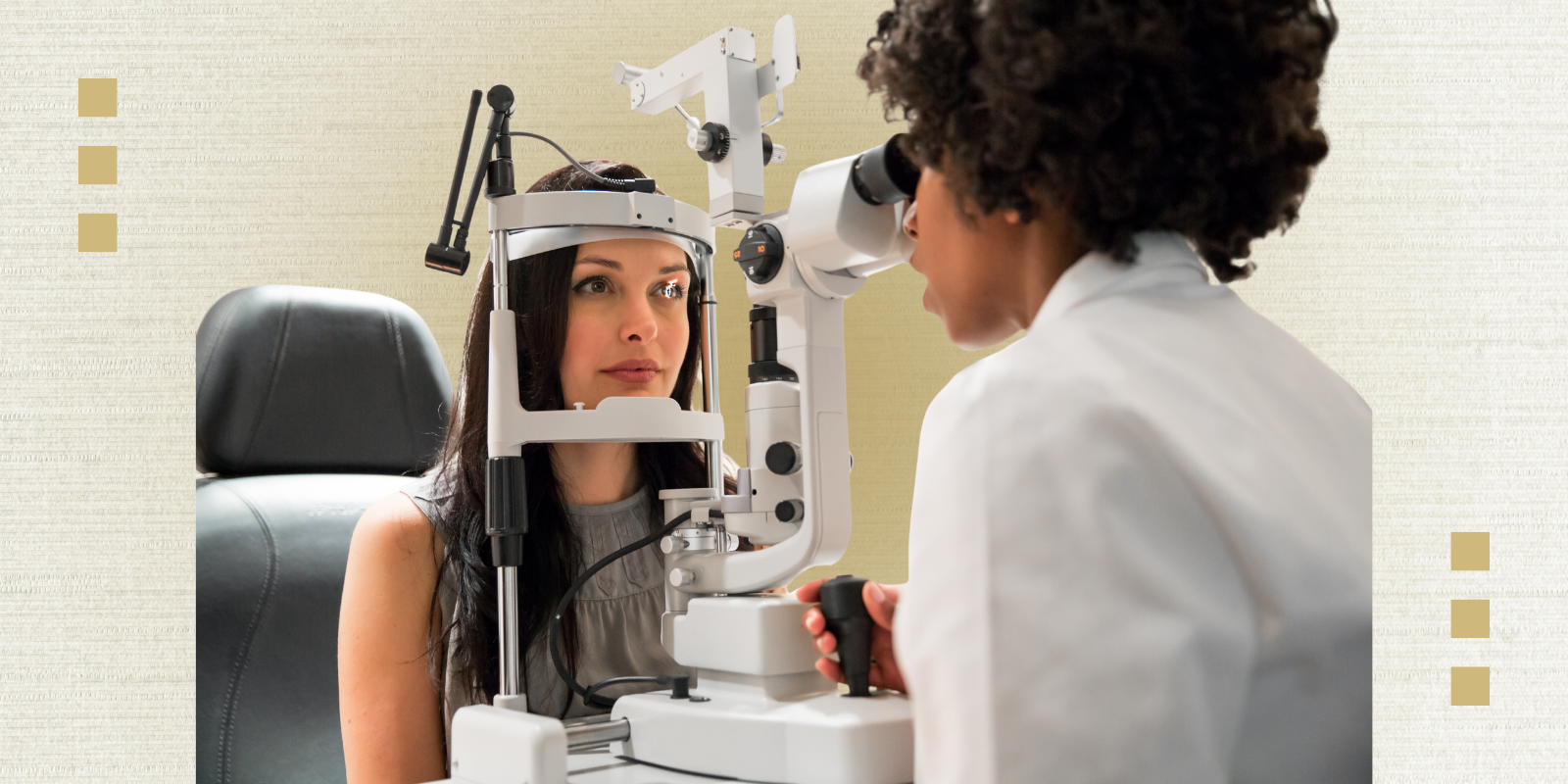
Getting your routine dilated eye exam is also key, Lopez notes, particularly if you have diabetes, high blood pressure, or a family history of retinal disease.
“Many vision-threatening retinal conditions progress silently until significant, and sometimes irreversible damage has occurred,” Lopez warns, underscoring the importance of getting eye exams.
-
Feel that breeze? Check the airflow.
Have you considered how the airflow in your living and working environments may be impacting your eyes? You should, explains Darren Gregory, MD, a professor of ophthalmology.
“For my patients who have irritated eyes, I would ask them to resolve to be more aware of the airflow in the environments they spend time in, particularly in the car or in a workplace when they are using a computer,” he says.
When people drive or concentrate on a screen, they do not blink as often, he notes.
“When you combine that with air blowing from a vent, the cumulative drying stress for the surface of the eye is significant. It doesn’t have to be a big fan blowing in your face. Just some airflow from a ceiling vent is enough to dry our eyes more, especially when our blink rate is decreased,” he says.
His tips include closing the vents, adjusting the thermostat, and changing your positioning.
“Whatever you can do to decrease the airflow and the endless drying stress on the eyes can also decrease the severity of your dry eye misery over time,” he says.






.png)