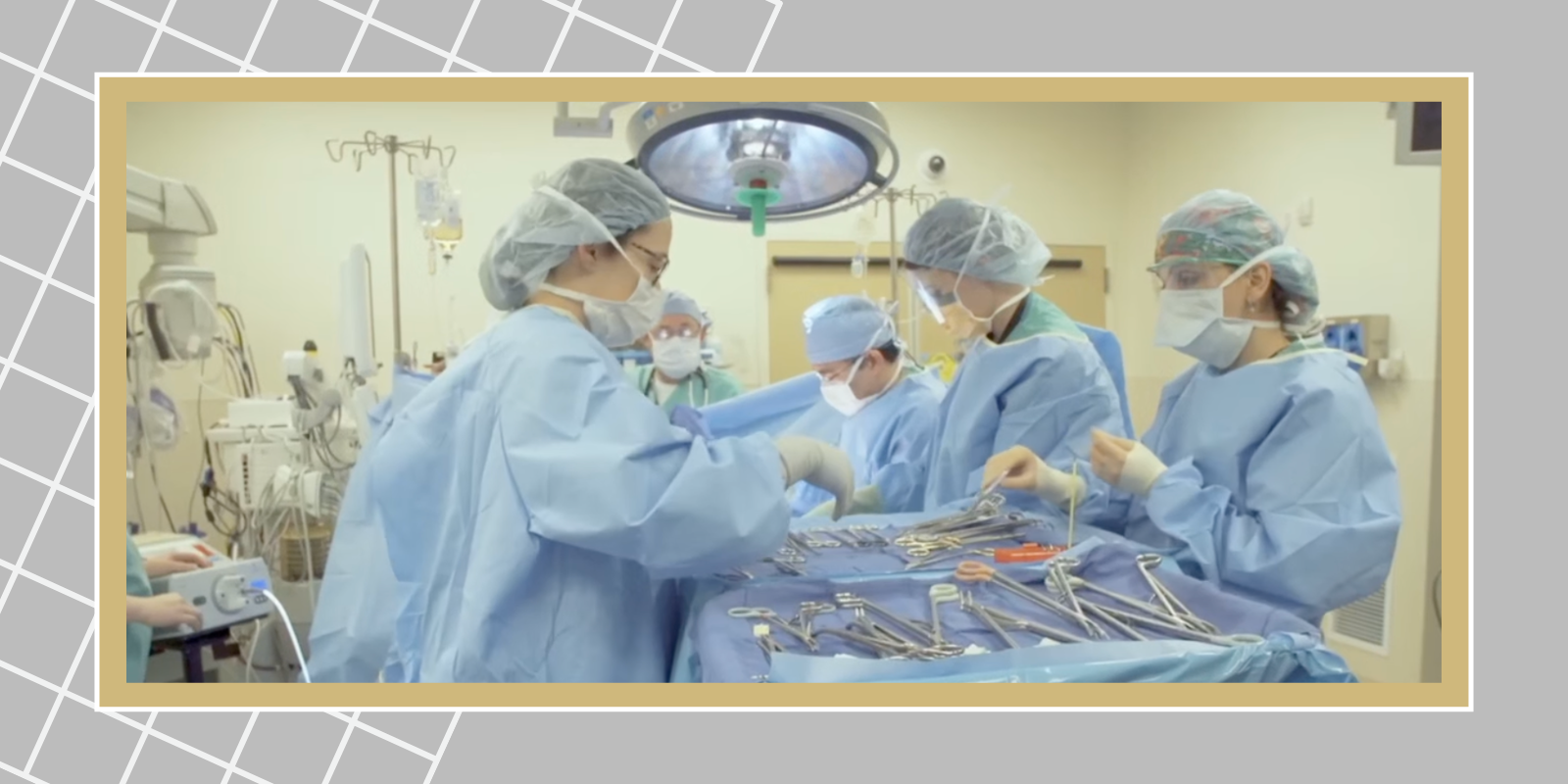
What is the goal of surgery in cancer treatment?
Surgery has different roles in the setting of cancer: curative resection; diagnosis or staging of cancer; cytoreduction or debulking; and palliative or symptom relief.
Curative resection has the goal of completely removing the tumor along with a margin of surrounding healthy tissue with the goal of curing the cancer.
Diagnosis or staging can involve biopsy of a suspicious mass or examining regional lymph nodes (such as a sentinel lymph node biopsy) to determine the exact type and spread of disease.
Cytoreduction or debulking involves removing as much of the tumor as safely possible when complete removal isn’t achievable, making subsequent chemotherapy or radiation more effective.
Surgery can be used with palliative intent or for symptom relief to alleviate pain, restore organ function, or relieve blockages (such as an intestinal obstruction) to improve quality of life, even if the underlying cancer cannot be cured.
Is surgery used in conjunction with other therapies like chemotherapy or radiation?
Cancer surgery is rarely used in isolation but is integrated into a comprehensive multimodal treatment strategy. Neoadjuvant therapy is given before surgery and can include chemotherapy, immunotherapy, or radiation to shrink the tumor to make resection safer or easier. It also can allow the oncology team to understand the cancer’s response to treatment. Adjuvant therapy is given after surgery to address any remaining microscopic disease and improve oncologic outcomes.
Are there risks or side effects to surgery?
Like any major surgical procedure, cancer surgery carries standard and site-specific risks. Short-term risks include bleeding, infection, reactions to anesthesia, blood clots, and post-operative pain. Long-term risks include nerve injury leading to localized numbness or weakness, lymphedema (swelling caused by a buildup of lymphatic fluid), scar tissue formation (adhesions), and organ dysfunction, depending on what was resected.
What does preparation for cancer surgery involve?
Some patients benefit from prehabilitation prior to surgery. This can involve physical exercise, nutritional optimization, and smoking cessation. There are also immediate pre-operative instructions patients receive that describe when to fast before surgery, any specific skin cleaning instructions, and sometimes preparation such as bowel preparation for gastrointestinal procedures.
What is recovery from cancer surgery like?
Recovery ranges from same-day discharge (outpatient procedures such as lumpectomy) to longer hospital stays for more complex surgeries. Physical recovery varies and focuses on pain management, movement, wound care, and pathology review to determine next steps.
What is the most challenging part of cancer surgery?
Oncology surgery has been evolving as multimodal cancer therapy continues to improve. There is a balance between removing enough tissue to clear the cancer and sparing critical structures such as nerves, blood vessels, organs, or other surrounding tissues. Operating in areas where tumors adhere to important structures or in areas where there is significant scar tissue from prior surgery or radiation requires technical precision and real-time decision-making.
What are some of the recent advances in cancer surgery?
In my field, breast surgical oncology, we have been using evidence from clinical trials to move toward precise, tailored interventions. There has been a focus on de-escalating the invasiveness of the surgery we offer. This has been done in the breast with a move toward breast conservation (lumpectomy) procedures when historically patients underwent mastectomy. It has also been done in the lymph nodes under the arm, where we are tailoring our approach based on the type of breast cancer, patient factors, and how the cancer responds to neoadjuvant therapy.
There have also been advances in reconstructive surgery with many more options available and other innovations such as nipple-sparing mastectomy, nerve grafting for skin sensation, and lymphatic reconstruction to prevent lymphedema.