.png)
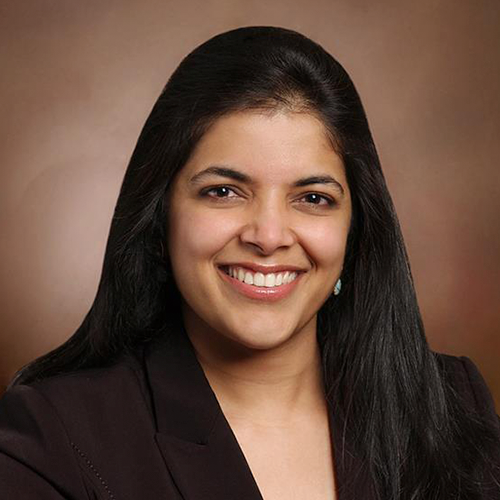
At the 2026 American Society of Clinical Oncology (ASCO) Annual Meeting, University of Colorado Anschutz Cancer Center member Manali Kamdar, MD, associate professor and clinical director of lymphoma services at the University of Colorado Anschutz School of Medicine, presented data confirming that CAR T-cell therapy, specifically lisocabtagene maraleucel (liso-cel), is highly effective, safe, and increasingly accessible for patients with large B-cell lymphoma. Her presentation emphasized the growing confidence in the long-term safety of this advanced therapy.
How CAR T therapy is changing lymphoma care
CAR T-cell therapy represents a major advance in cancer treatment by harnessing a patient’s own immune system to target the disease. T-cells are collected, genetically modified, and reinfused to better recognize and attack cancer cells. “The idea of CAR T-cell therapy is basically taking some blood from a patient, isolating the T-cells, which are your fighter cells, and genetically engineering them to make them super fighter cells,” Kamdar explains. “Think of them as a T-cell with an antenna that can now recognize a lymphoma cell and kill it.” In large B-cell lymphoma, engineered T-cells target CD19, a protein on malignant cells. This targeted approach has significantly improved outcomes. Liso-cel can cure about 40% of patients in the third-line setting and up to 55% in the second line, representing a major advancement for those with previously limited options.
→ CU Anschutz Lymphoma Researcher’s Study Lends Support to Lower Barriers for CAR T-Cell Treatment
Why long-term safety matters
While the benefits of CAR T therapy are well established, long-term safety remains a key concern. Early side effects like cytokine release syndrome (CRS) and neurotoxicity are now predictable and manageable, but less is known about outcomes months or years after treatment. To address this, Kamdar and colleagues conducted a pooled analysis of three prospective trials—TRANSFORM, TRANSCEND, and PILOT—evaluating approximately 420 patients treated with liso-cel in second-line or later settings. Kamdar notes, “The fact that there were almost 420 patients who went through liso-cel allowed us to really understand what long-term safety looks like.” The study assessed five key areas: cytopenias (low blood counts), infection risk, need for supportive care, immune system recovery, and incidence of second cancers.
Key findings: reassuring across the board
The results presented at ASCO were consistently encouraging.
-
Cytopenias improve over time
Low blood counts were most common shortly after infusion but improved over time. By three months, severe anemia and neutropenia had dropped below 5%, and thrombocytopenia had fallen to 3% or less. The need for transfusions and growth factor support was highest within the first 15 days and declined thereafter.
-
Low infection risk over time
Even among patients with early immune suppression, serious infections were uncommon. Rates of grade 3 or higher infections initially ranged from 2%–6% and decreased to 1%–2% over time.
-
Immune recovery takes time, but doesn’t drive risk
Some patients had prolonged laboratory evidence of immune suppression, such as hypogammaglobulinemia and B-cell aplasia. By two years, 41% had recovered immunoglobulin levels, and 26% showed B-cell recovery. Importantly, Kamdar says, these findings did not translate into worse clinical outcomes. “Laboratory immune suppression can persist well beyond the acute CAR T period,” she says, “but the clinical consequences actually appear quite limited.”
-
Second cancers are rare
The incidence of second primary malignancies was about 6%, mostly non-melanoma skin cancers. Hematologic malignancies were rare, with only one case of T-cell lymphoma reported.
A “one-and-done” therapy with broad potential
These findings reinforce that liso-cel is a highly effective, well-tolerated, and accessible single-treatment option for eligible patients. “It basically means this is a one-and-done treatment,” Kamdar says. “It is highly doable and could potentially be offered at most cancer-treating sites.”
These insights are already shaping care delivery. The FDA has recently eased monitoring requirements, allowing eligible patients to return home sooner after treatment. This is an important step toward more patient-centered care.
Moving toward outpatient treatment
A key outcome of this research is the potential for outpatient CAR T therapy. With predictable side effects and minimal long-term toxicity, liso-cel may be safely administered outside inpatient settings. “The fact that CD19 CAR T-cell therapy can be delivered out of the hospital is a big win for everybody,” Kamdar says. “It’s a big win for patients, providers, caregivers, and the health care system.” Outpatient care can improve patient experience by reducing hospital stays, minimizing disruptions to daily life, and enabling recovery closer to home. For health care systems, outpatient administration can ease pressure on inpatient resources and potentially reduce overall treatment costs.
Expanding access to life-saving therapy
Despite its success, access to CAR T therapy remains limited. Kamdar notes that while many patients are eligible, only a small proportion ultimately receive treatment.
“If 10 patients are eligible for CAR T, only two are able to actually get it,” she says. “It’s not about who should get it—it’s about figuring out, if someone needs it, how do we get it to them?” These findings help build clinician confidence and support broader adoption. Demonstrating strong long-term safety, this research paves the way for expanding CAR T therapy across more settings and patient populations.
Looking ahead
Kamdar’s ASCO 2026 presentation makes a strong case that CAR T therapy, such as liso-cel, is safe, manageable, and increasingly available. The evidence supports broader use and earlier access for patients with large B-cell lymphoma.
For individuals with large B-cell lymphoma, the outlook is increasingly hopeful: highly effective, potentially curative therapy is now more accessible and easier to integrate into routine care.
Featured Image: Manali Kamdar, MD, speaking to an interviewer during ASCO 2026 in Chicago.