Two clinical trials underway at the University of Colorado Anschutz Cancer Center may offer new hope to prostate cancer patients who have disease that has spread beyond the prostate gland and is no longer responding to hormone therapies.
The cancer center is a participating site in both national trials, which are being run by the pharmaceutical company Johnson & Johnson.
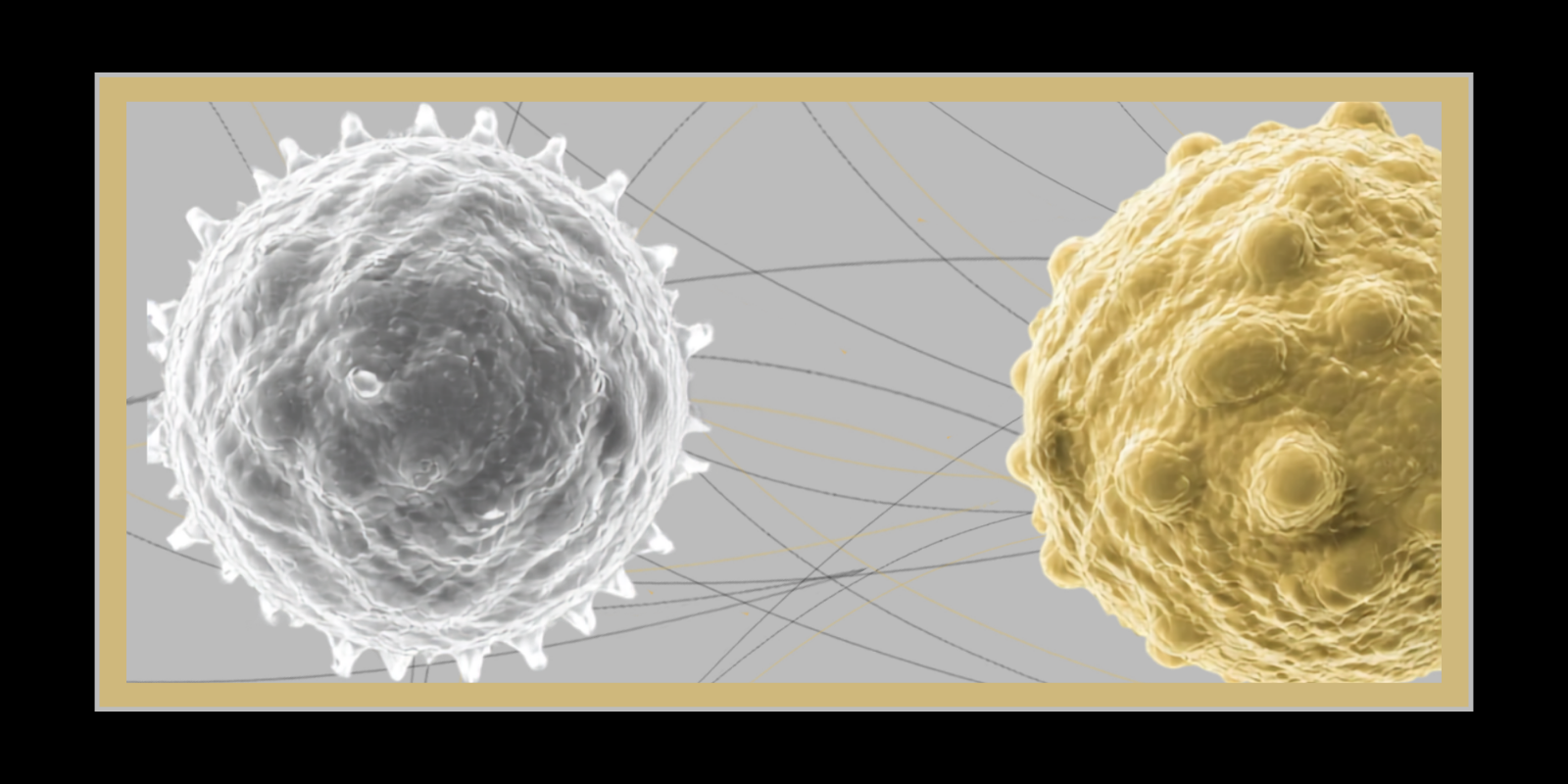
“The trials are looking at a type of immunotherapy called a bispecific T-cell engager, which links a protein on a T cell with a protein on the tumor with the idea that it will help bring the T-cell to the tumor and activate the T cells, leading to cancer cell killing,” says cancer center member Laura Graham, MD, the site principal investigator on both trials. “It is exciting because immunotherapy has been very disappointing in prostate cancer so far, but this looks very promising and very well tolerated.”
Warming up a cold tumor type
The drug under investigation, pasritamig, is designed specifically to target prostate cancer by attaching T cells to an enzyme called kallikrein 2 that is unique to prostate cancer. It is not yet FDA-approved, but results of a phase I study of the drug found that it led to a 42% PSA response rate in late-stage metastatic prostate cancer.
“It’s exciting because prostate cancer is very immune cold,” says Graham, assistant professor of medical oncology in the CU Anschutz School of Medicine. “If you take prostate cancer biopsies, you typically don't see much immune cell infiltration in them, which is in contrast to melanoma, some lung cancers, or other cancers where there's a lot of immunotherapy response.”
The phase I study also found that the drug was safe, Graham says, with only a 9% rate of cytokine release syndrome, one of the most common side effects of these type of immunotherapy drugs.
Alone or in combination
One of the clinical trials open at the CU Anschutz Cancer Center is a phase III trial testing the efficacy of pasritamig on its own compared to best supportive care; the other is a phase I trial investigating the combination of pasritamig with a second T-cell engager that targets a cancer cell protein called PSMA and T-cell protein CD28.
“The idea is that T cells need two signals to activate, so giving the two drugs will enhance tumor killing,” Graham says.
Immunotherapy advance
The initial results of the trial has Graham and other prostate cancer experts excited about the new drug and its potential to treat patients who often have failed other therapies.
“My philosophy has always been that the immune system is going to be very important for prostate cancer treatment, and we just haven't figured it out yet,” she says. “The reason I'm so excited about this drug is that it's really the first time that we've seen an immunotherapy be effective and well tolerated in prostate cancer. If the early success continues, and this becomes FDA-approved, then I'm hopeful that this is going to be a life-prolonging, well-tolerated medication we can offer our patients.
“The trials also give us the chance to learn which patients respond best to the drug and how we can help people respond better,” she adds. “Are there other combination therapies we should try? What are the mechanisms of resistance?”
Graham also expresses her gratitude for all the patients taking part in the pasritamig trials, at CU Anschutz and around the country.
“This is a really exciting early step, and we're just going to keep building on it,” she says. “I’m always so grateful to all the patients who participate, especially in these placebo-controlled trials, because it is a big ask. This has the potential to transform the treatment landscape for prostate cancer, and we can't do it without them.”