<img height="1" width="1" style="display:none" src="https://www.facebook.com/tr?id=799546403794687&amp;ev=PageView&amp;noscript=1">

How Do GLP-1 Receptor Agonist Drugs Like Ozempic Affect Colonoscopy and Endoscopy Prep?

Jennifer Christie, MD, director of the Division of Gastroenterology and Hepatology, explains how the drugs slow emptying of the stomach and bowel and what GI teams advise patients to do prior to the procedure.

minute read

by Greg Glasgow | September 17, 2025
How Do GLP-1s Affect Colonoscopy and Endoscopy Prep | University of Colorado Cancer Center

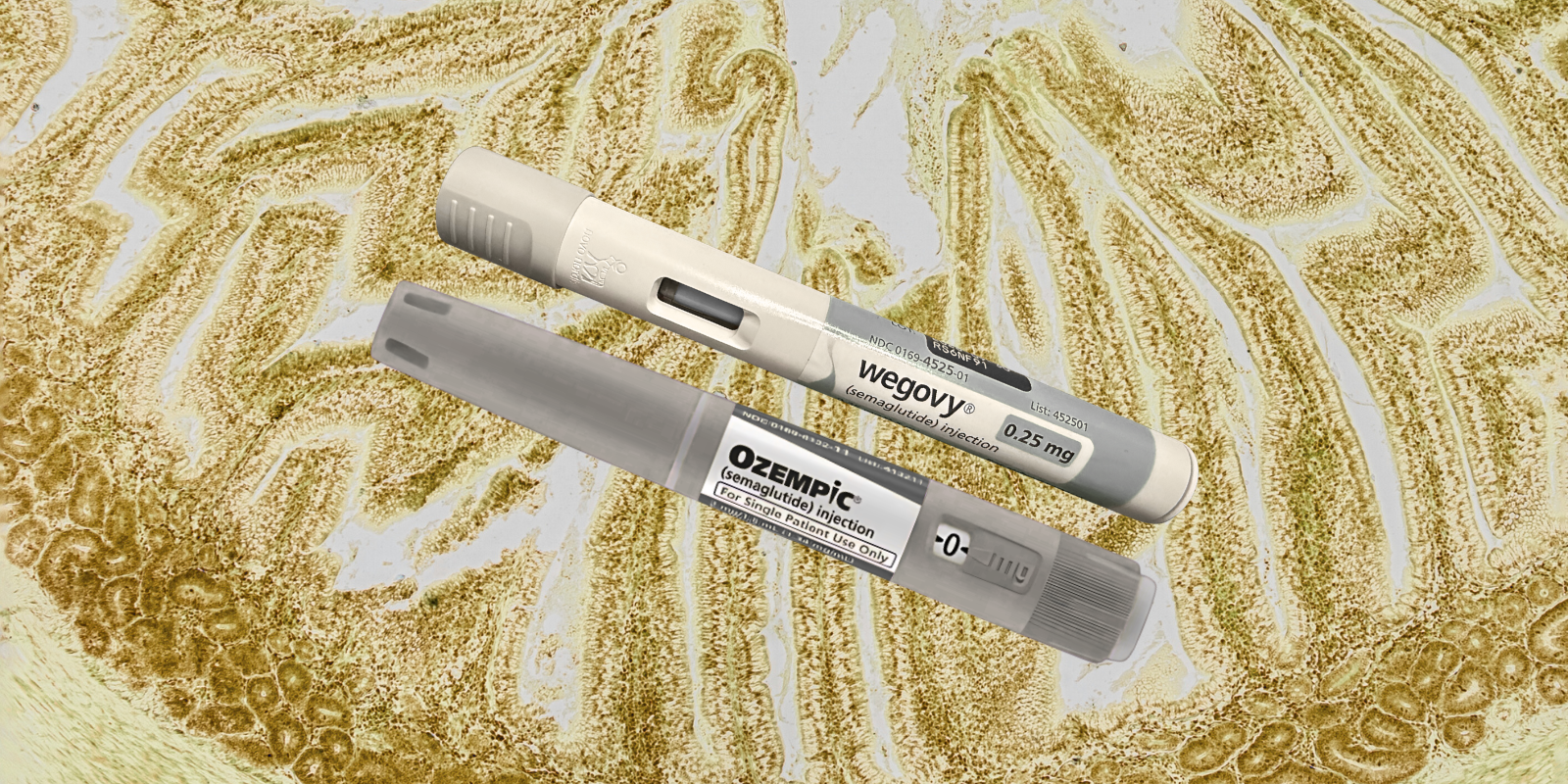
GLP-1 receptor agonist drugs like Trulicity and Ozempic have proved very effective in managing diabetes and obesity, but because of the way they work, they can present problems when it comes to preparing for a colonoscopy and endoscopy.

Though stool-based tests can also help to identify early-stage colorectal cancers, colonoscopy remains the gold standard both for its detection capabilities and because a gastroenterologist can remove suspicious polyps during the procedure, eliminating the need for a follow-up visit.

“One of the intended effects of GLP-1 agonist medications is to slow down the digestive tract,” explains University of Colorado Cancer Center member Swati Patel, associate professor of gastroenterology. “This results in the intended effect of helping individuals feel full with smaller meals, but patients often also experience another effect of a slow GI system — constipation. For people taking GLP-1 agonist medications who are getting ready for a colonoscopy, it’s important to let the GI team know about this. They will likely recommend holding the medication in advance of the procedure to minimize the anesthesia risk of aspiration of retained food material in the stomach. They may also advise a more aggressive bowel preparation to ensure the colon is adequately cleaned and flushed.”

 For more information about the effects of GLP-1 drugs on colonoscopy and endoscopy prep, we sat down with Jennifer Christie, MD, director of the Division of Gastroenterology and Hepatology in the CU Department of Medicine.

Q&A Header

What is the point of emptying the bowels and the intestines as much as possible before a colonoscopy?

It's important to make sure that we get a really good exam when we do a colonoscopy for either screening or symptoms. We ask our patients to take a bowel prep to purge the bowel of stool and debris so that we can get a good look at the colon lining. That helps us look at lesions that could be causing a problem or remove polyps so they don't have the opportunity to turn into cancer. The GLP-1 receptor agonist may, in some cases, prevent that complete washout of the bowel prior to the colonoscopy, so we have to be very cautious about that.

What do you advise patients who are taking GLP-1s when it comes to bowel prep?

What we advise patients is based on which medicine they're taking and when. For patients who are taking a daily dose, we typically tell them to hold that daily dose the day of the procedure. If they're taking a weekly dose, we tell them to hold it for that week. If a patient can't stop the medication because there's a risk that their blood sugar will become out of control, then we'll advise that the patient undergo a two-day prep to make sure that they're cleaned out for the colonoscopy. We try to deliver an individualized approach with each patient.

What about upper endoscopy, the procedure in which a scope is inserted through the throat to look for esophageal cancer and other conditions? Is there a similar risk there with GLP-1 agonists?

GLP-1 receptor agonists can have a few impacts on endoscopy. Number one, we want to be able to see the stomach and the esophagus and the top part of the small intestine really well. Therefore, we don't want food and other debris in that area that will prevent us from getting a good look. But the other concern is, if you have some retained gastric contents, does it increase the risk of patients aspirating or getting food into the lungs? There is data to show that patients who are taking GLP-1 receptor agonists tend to have more retained gastric contents. However, there has not been an associated increased risk of aspiration or pneumonia in these patients.

What is the typical prep process for endoscopy?

The typical prep process is nothing by mouth after midnight. We just don't want food in the stomach. But for patients who have delayed stomach emptying or other issues, we may ask them to be on a clear liquid diet for 24-48 hours prior to the procedure if we think they're at risk for aspiration or any other complications.

If someone is taking a GLP-1 agonist, do you advise them to stop for endoscopy in the same way you do for colonoscopy?

We do advise the patients to stop, similar to what I described for colonoscopy. However, if they are having symptoms of nausea or vomiting, then we suggest that a conversation occur between the endoscopist and the anesthesiology professionals as far as whether to proceed with the procedure or not. If someone did not stop the medication and they're having nausea, vomiting, and fullness or other symptoms that suggest there may be food in the stomach, we may want to reschedule the procedure. But if it's an emergent or urgent procedure, we take the necessary precautions to protect the patient and protect the airway, even if they did not stop their medication.

Featured Experts
Staff Mention

Jennifer Christie, MD