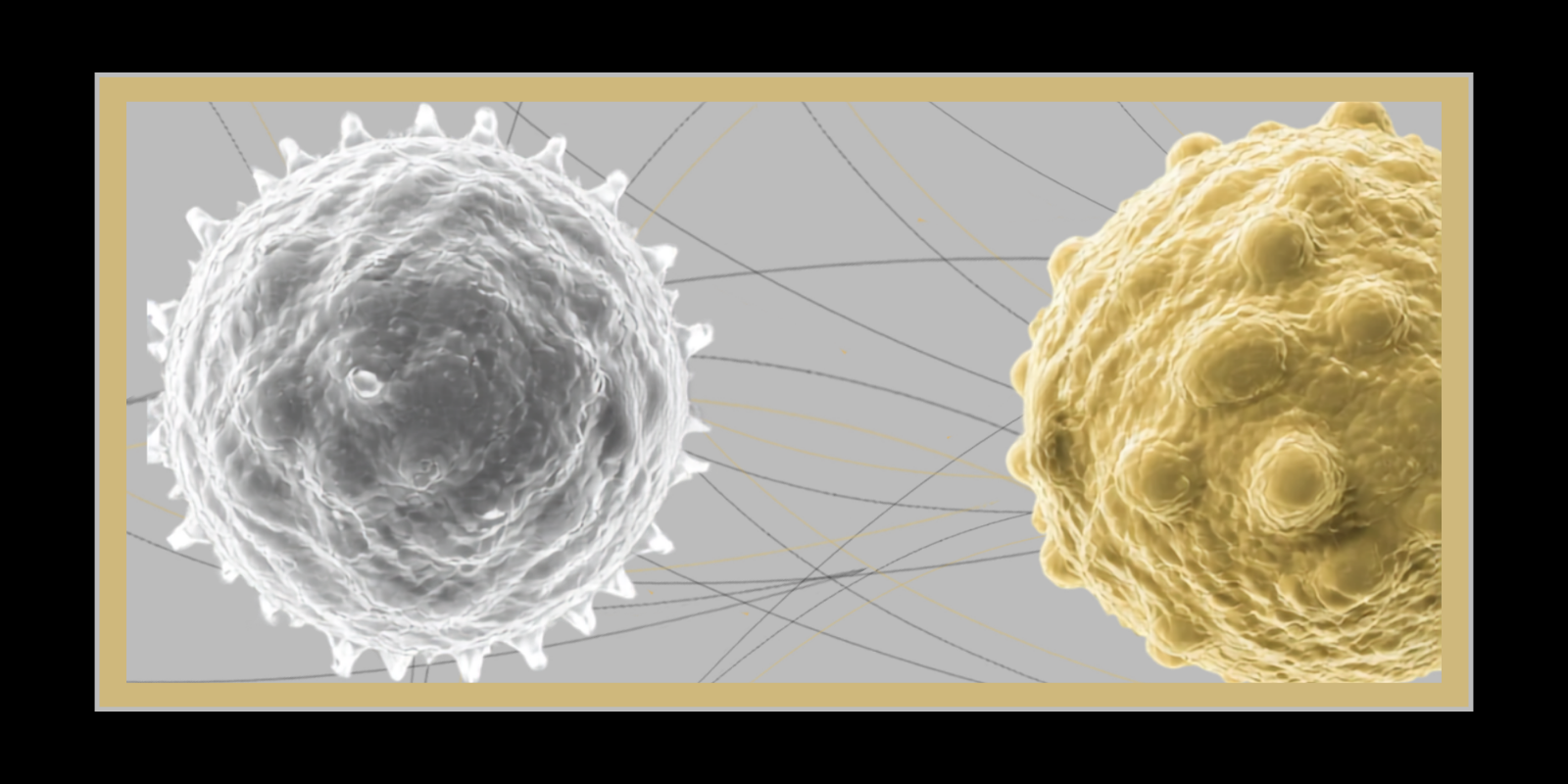
A $1 million grant from the V Foundation for Cancer Research — a nonprofit organization founded in 1993 by ESPN and legendary basketball coach Jim Valvano — will aid University of Colorado Anschutz Cancer Center leader Patricia Ernst, PhD, in her research on new treatments for infant acute lymphoblastic leukemia (ALL), an exceptionally high-risk form of leukemia with very poor prognosis, despite implementation of new immunotherapy and cellular therapies.
Ernst is working on the research with fellow CU Anschutz Cancer Center/Children’s Hospital Colorado researcher Kelly Faulk, MD, who is overseeing a international clinical trial to see if a new type of targeted drug called a menin inhibitor — which blocks a protein that leukemia cells need to survive — combined with chemotherapy, is effective in patients with infant ALL that has either returned after treatment (relapsed) or has not gone away despite initial therapy (refractory).
“The V Foundation grant is for what they call ‘bedside to bench’ research,” says Ernst, Molecular and Cellular Oncology program co-leader at the cancer center. “Kelly is a physician who sees patients who have this high-risk leukemia, and I have studied it from a basic science point of view for a long time, so it's a combination of those two areas of expertise.”
Cellular analysis
Part of the grant will fund Ernst’s analysis of patient samples from Faulk’s clinical trial, where she is looking to see what is happening on the cellular level when patients are treated with the drug combination, and why some respond and some don’t.
“We’re using mostly single-cell sequencing to look at the entire transcriptome,” Ernst says. “When patients decide to go on the trial, we get bone marrow aspirates starting that day. That means nothing has happened yet except for the previous chemo that they might have tried. Then we get samples at day 4, day 8, and day 29 as they're taking this new drug. We want to know, does it look better? What changed? What happened to the cell? We're working on the hypothesis that the drug is useful, but it may have flaws and Achilles’ heels.”
Taking it to the model
The second part of Ernst’s V Foundation-funded research is taking the discoveries made from the cell samples and testing them further in animal models to find the best way to treat patients.
“We take what we discover in the samples and we say, for example, ‘It looks like this gene is turned down, and that might indicate the patient is responding. So let's go and study that gene by knocking it out in the animal model and see if it's deterministic of response,’” Ernst says.
“Or if we learn from the samples that the immune cells are struggling and partially succeeding in killing the leukemia, we can enhance that aspect in the animal model by modulating things we know about how the immune system works. We may discover things going on that could tell us what other FDA-approved approaches could combine with this treatment to make it work better.”
The road to better treatments
Early studies of menin inhibitors, mostly in adults, showed promising results with few side effects, Ernst says, leading to FDA approval of one drug, revumenib, in 2024.
“However, some patients did not respond or later became resistant,” she says. “Our goal is to develop better treatments for infants and young children with this aggressive leukemia, who currently have limited options. This grant will help with that. It’s encouraging, and it allows us to keep the trial going and keep accepting samples. I’m very grateful that private funding is still robust and people still believe in scientists.”