It’s being reported that Pope Leo had surgery after a nodule was found that was suspected to be adenocarcinoma. What is the typical situation when something like that happens?
The most likely scenario would be that he had some type of imaging that led to a CAT scan showing a nodule that was concerning for a malignancy. It's not uncommon for us to go straight to surgery in that setting. There are certain criteria about size as to whether further testing should be done before surgery. But there are nodules where it is appropriate to go straight to a diagnostic and therapeutic resection, meaning the patient has surgery not knowing whether they have cancer.
Leo had a lower lobectomy surgery. How involved is that operation, and what is recovery like?
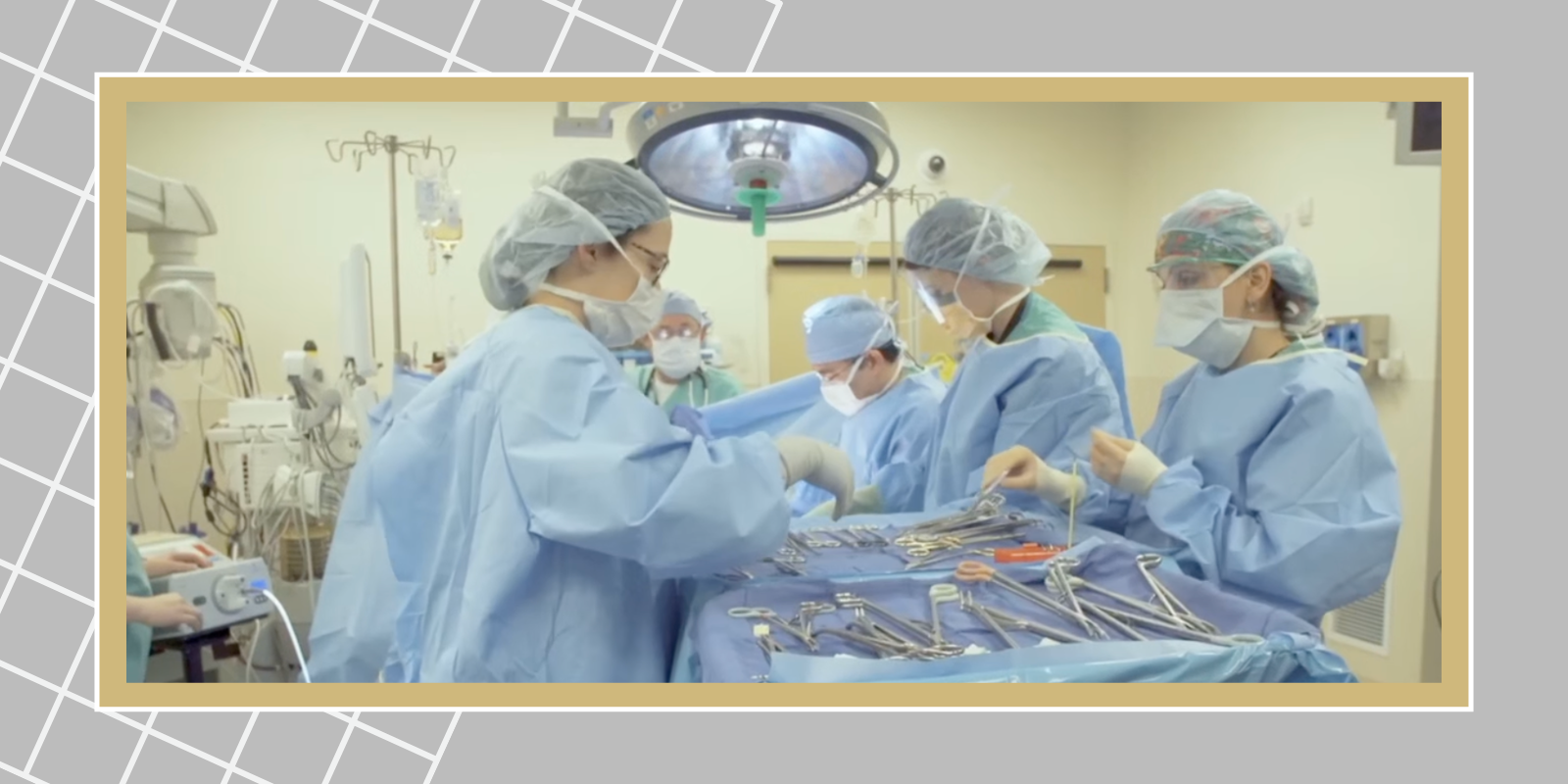
The typical stay for a surgery like that at our institution would be two to three days in the hospital. It's done under general anesthesia. It is a small-incision surgery, but it's still a major operation. But it's a very active recovery. We get our patients up and walking around the day of surgery, and we expect them to walk for about an hour a day each day that they're recovering. I have read that Leo is a pretty active guy who likes to play tennis, so I would imagine that he'll get back to his normal activities pretty quickly.
When someone has a lobe of their lung removed like that, does that have any long-term effects? Is it something people can adjust to?
People can adjust. The standard would be to assess his pulmonary function preoperatively, to understand where his baseline is. In Colorado, we do the same thing, and we also have to take our elevation into account. From a nodule size standpoint and a cancer size and cancer margin standpoint, we try to do operations that spare as much lung parenchyma as possible. We may do a segmentectomy or a wedge resection if the tumor is very small.
Adenocarcinoma is considered a non-small cell lung cancer. What does that mean?
The two big subdivisions within lung cancer are non-small cell and small cell. They're very different diseases in terms of the way they behave biologically, and therefore they're treated differently as well. The two most commonly diagnosed lung cancers, adenocarcinoma and squamous cell carcinoma, are non-small cell carcinomas.
Is it fairly common for people without a smoking history to develop a cancer like this?
Yes, we're seeing that more and more commonly. In our practice in Colorado, our population is not typically a heavy smoking population, so we see a lot of lung cancers in patients who have never smoked. In particular, we're seeing more women without a smoking history be diagnosed for lung cancer, and we don’t know why.
We see a lot of lung cancers being found on imaging studies being done for other reasons. The two most common are the CT calcium score scan that's done for cardiac disease screening and imaging done for breast cancer surveillance. Those can both pick up lung cancers as well.
Have there been advances in the treatment of lung cancer in recent years?
Yes. We're getting better and better at doing the same quality cancer surgery through small incisions, and we do a lot with recovery protocols postoperatively so patients have less downtime after surgery. Radiation is able to be very targeted in the treatment of lung cancer, and in terms of medical oncology, there's been an explosion in terms of treatment options for lung cancer based on biomarkers of the cancers themselves. Those treatments, which include targeted therapy and immunotherapy, are often easier for patients to tolerate than traditional chemotherapy. We have several clinical trials exploring novel ways of administering those therapies to patients. It's an exciting time in lung cancer. We're finally making a lot of progress in the disease.