

As 2025 comes to a close, we’re celebrating a year of groundbreaking discoveries, innovative tools and transformative ideas from the University of Colorado Anschutz Department of Biomedical Informatics. From advancing precision medicine and AI in healthcare to setting new national standards and unlocking genetic mysteries, these stories showcase how our researchers are shaping the future of science and patient care. Here are the Top Ten Stories of the Year, each one a testament to collaboration, creativity and impact.

CU Anschutz Researchers Help Build One of the Most Complete Human Genome Maps Ever
An international team, including scientists from CU Anschutz, has created one of the most detailed maps of the human genome to date. By sequencing DNA from 65 people worldwide and generating 130 complete genome assemblies, this “pangenome” captures far more genetic diversity than previous references—closing gaps and revealing thousands of structural differences that were previously invisible. This breakthrough will improve genetic testing, advance research on complex diseases and make precision medicine more inclusive for people of all backgrounds.

What Powers ChatGPT? Meet Large Language Models (LLMs)
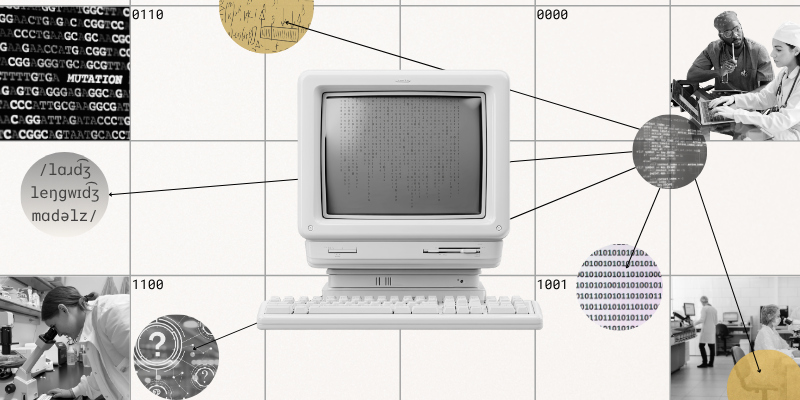
Ever wondered what makes tools like ChatGPT or Microsoft Copilot so smart? They’re built on Large Language Models (LLMs), which are advanced AI systems trained on massive amounts of text to understand and generate human-like language. At CU Anschutz, researchers like Yanjun Gao, PhD, are utilizing LLMs to assist in summarizing patient records, drafting clinical notes and even supporting diagnoses, paving the way for faster, safer and more efficient healthcare.

New Tool Sets the Standard for Evaluating AI-Generated Clinical Summaries
Doctors often face patient charts as long as classic novels, making it hard to quickly find what matters most. Large language models (LLMs) promise to help by summarizing this data, but how do we know those summaries are accurate and useful? Researchers at CU Anschutz developed PDSQI-9, a new evaluation tool that reliably measures the quality of AI-generated clinical summaries—checking for clarity, accuracy and organization. This breakthrough helps ensure AI can safely support clinicians, streamline workflows and improve patient care.

New National Guidelines Recognize Pharmacists as Essential ICU Team Members
Critically ill patients need a team of experts to survive—and now, pharmacists are officially recognized as vital members of that team. New national guidelines, led by CU Anschutz experts including Andrea Sikora, PharmD, elevate the role of pharmacists in the ICU, where they make life-saving decisions about medication safety and effectiveness. Research shows that when pharmacists are fully integrated into critical care, patients have better outcomes, fewer complications and shorter hospital stays, marking a major step toward safer, more personalized treatment.
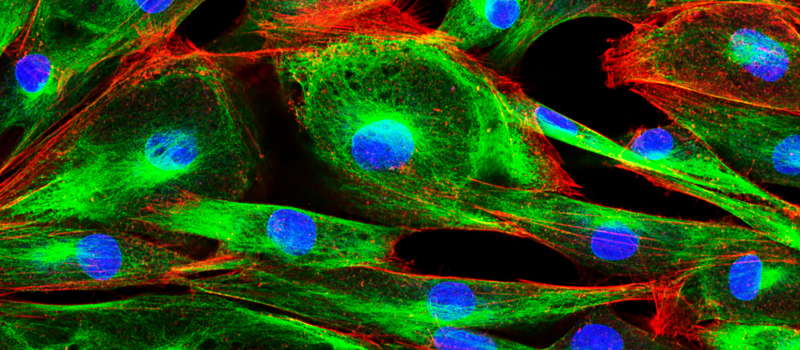
CU Anschutz Study Uses AI and Imaging to Unlock Clues About NF1 Tumor Growth
A new CU Anschutz study combines advanced cell imaging and machine learning to reveal how the loss of a single gene, NF1, alters the structure of nerve-supporting cells. These changes drive tumor growth in people with Neurofibromatosis type 1 (NF1), a genetic disorder that affects 1 in 3,000 people and can lead to painful, disfiguring and sometimes cancerous tumors. By mapping these subtle cellular differences, researchers are laying the groundwork for better diagnostics and future drug discoveries that could prevent or reverse NF1-related tumor growth.

CU Anschutz Study Identifies 17 Genes Linked to Asthma Risk in African-Ancestry Populations
Asthma affects over 250 million people worldwide, yet its genetic roots remain poorly understood, especially in African-ancestry populations who face the highest burden of the disease. A new international study led by CU Anschutz researchers uncovered 17 genes tied to asthma risk and developed tools to predict gene activity in key tissues like nasal lining and immune cells. These discoveries not only advance understanding of asthma but also promote equity in research by improving representation and paving the way for more personalized treatments.
CU Anschutz Engineer Creates ‘Software Gardening Almanack’ to Help Researchers Grow Sustainable Code
Just like a garden needs care to thrive, research software needs ongoing maintenance to stay useful and reliable. To help scientists keep their software healthy, CU Anschutz engineer Dave Bunten developed the Software Gardening Almanack, an open-source handbook and Python toolkit that checks for best practices like proper documentation and version tracking. This resource makes it easier for researchers to build sustainable, reproducible software that supports science for years to come.

New Tool Makes Genetic Research More Accurate and Accessible
Predicting health risks based on genetics has been challenging because people’s ancestry is complex, especially in diverse populations. To address this, University of Colorado researchers developed Summix2, a free tool that enables scientists to adjust for these differences using group-level genetic data, thereby making studies faster, easier and more precise. By utilizing detailed ancestry references, Summix2 enhances research for all populations and supports more personalized medicine.
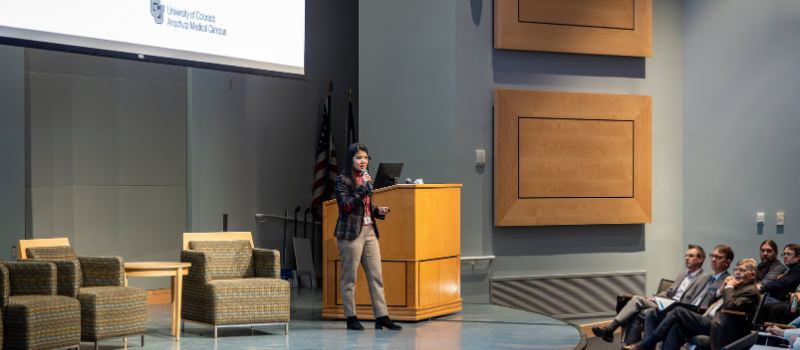
AI in Healthcare: Helpful Partner, Not a Replacement
Artificial intelligence is changing healthcare, but it’s not here to replace doctors; it's here to help them. At CU Anschutz’s first AI conference, experts shared how tools like Cliniciprompt make it easier for clinicians to utilize AI for tasks such as patient messaging and decision support. While these technologies show promise, researchers are working diligently to address challenges such as bias, uncertainty and accuracy, ensuring that AI improves care safely and effectively.

CU Anschutz Researcher Joins Editorial Board of Leading Open Science Journal
Peter DeWitt, PhD, assistant research professor of biomedical informatics at CU Anschutz, has been named to the editorial board of Scientific Data, a prestigious journal in the Nature portfolio. This role highlights his dedication to open science and data sharing, ensuring research is transparent, reusable and accessible to all. As part of the board, DeWitt will help guide the review process for data-focused publications, advancing practices that make scientific discoveries more collaborative and impactful.
.png)