

.png)
Our top stories show how the Gates Institute is turning bold ideas into tangible impact for patients. From first-in-human vaccines and rare disease programs to next-generation CAR T-cell trials and a new translational lab, the Institute is building an end-to-end ecosystem where discoveries do not sit on the shelf but are actively pushed toward real therapies for people who urgently need them.
With every new grant, facility milestone, and patient treated, the Gates Institute strengthens a culture of collaboration across scientists, clinicians, engineers, and staff, proving that when the full campus works together, even the most complex cell and gene therapies can move from “what if” to “what’s next” for patients and families in Colorado and beyond.

Bridging Bench to Bedside: Gates Institute’s Translational Sciences Lab Opens its Doors
The Gates Institute opened a new Translational Sciences Lab to help researchers turn promising cell and gene therapy ideas into treatments ready for human testing. The lab focuses on the “translation” phase which figures out how to make complex therapies safely, consistently, and at a scale that can support clinical trials.
Its first flagship project is a homegrown CAR T-cell therapy for a difficult to treat leukemia, with experts guiding everything from refining the lab recipe to preparing the FDA documents needed to start a trial. By offering this specialized support inhouse, the Gates Institute helps more CU Anschutz discoveries move efficiently from lab bench to patients’ bedsides.
.png?width=600&height=300&name=Swabowski%20(2).png)
Gates Institute Names Michael Swabowski as GBF Director of Operations
The Gates Institute named Michael Swabowski as the new director of operations for the Gates Biomanufacturing Facility, bringing more than two decades of biopharma operations and quality experience. His background in scaling complex manufacturing processes and leading quality systems will help GBF support an expanding pipeline of clinical products.
Swabowski steps into the role at a pivotal moment, as GBF celebrates its 10‑year anniversary and deepens partnerships with the Translational Sciences Lab, campus investigators, and outside collaborators. His leadership is expected to further strengthen GBF’s ability to deliver safe, reliable therapies for patients.
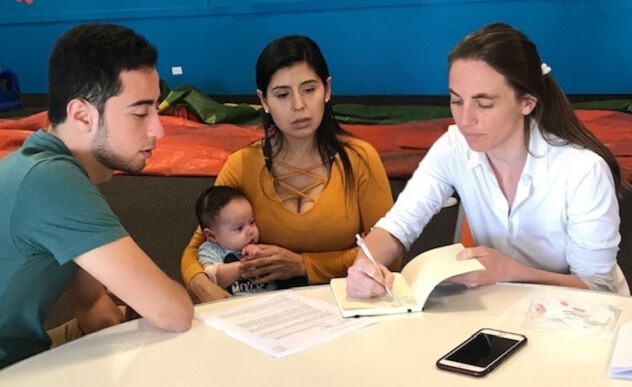
Pioneering Rare Disease Research at Gates Institute
A feature on rare disease research highlighted how Gates Institute scientists are using advanced gene and cell therapy tools to tackle conditions that often have no approved treatments. Many of these diseases affect small numbers of patients, making it hard to attract traditional industry investment--even when the science is promising.
With support from GBF, the Translational Sciences Lab, and internal funding programs, researchers can move rare disease projects from early lab discoveries into structured development plans. This shared infrastructure lowers barriers for rare disease work and offers families new hope that therapies for ultrarare conditions can still reach the clinic.
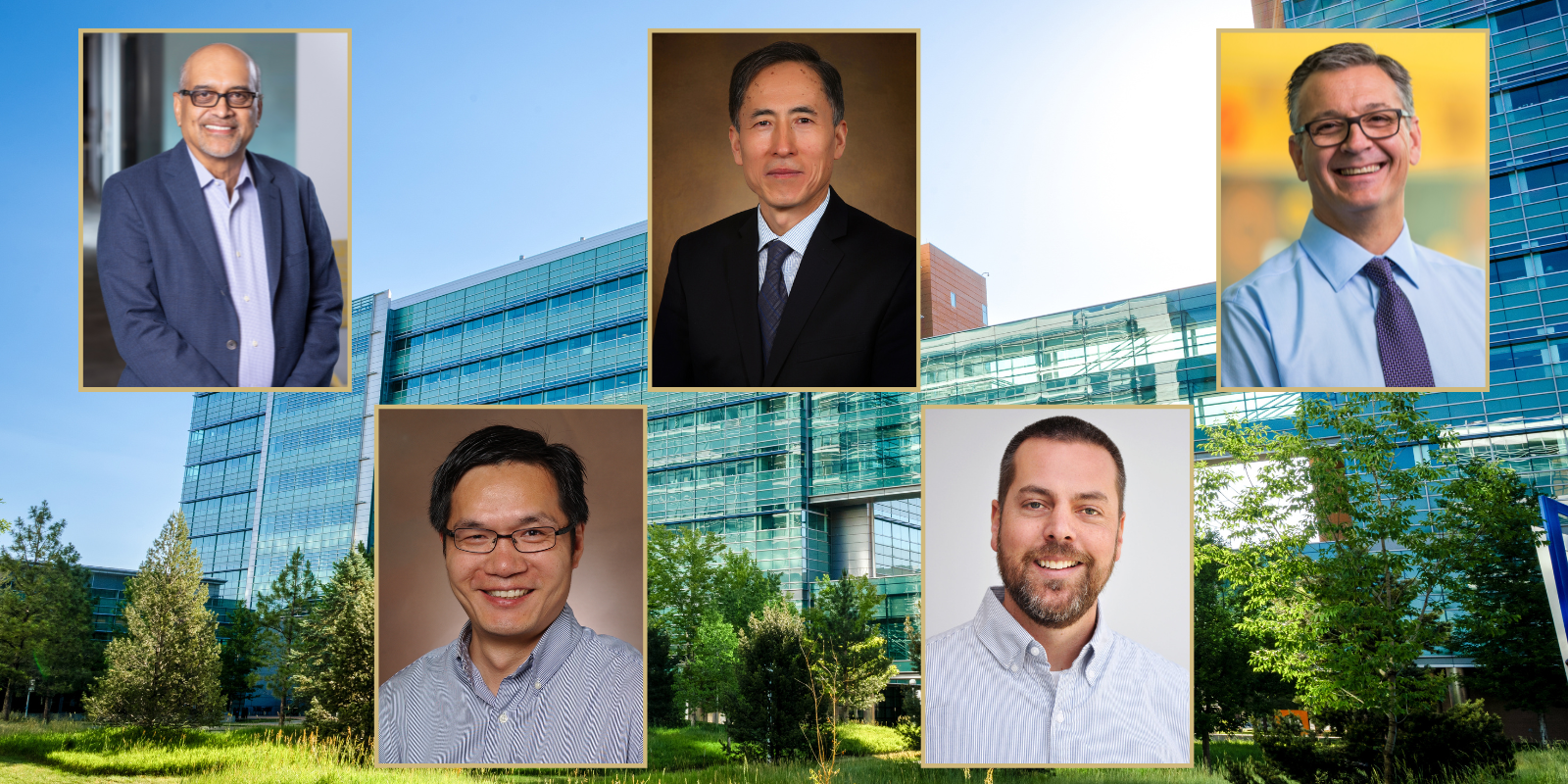
Gates Institute Awards $1.5 Million to Campus Researchers from Gates Grubstake Fund
The Gates Grubstake Fund awarded $1.5 million to CU Anschutz researchers working on early-stage ideas that could become future treatments for eye disease, skin disease, and cancer. This funding is designed to help projects at a vulnerable stage strengthen scientific ideas that still need extra support to become therapies suitable for testing in patients.
Funded projects include a one-time gene therapy injection to protect sight in diabetic retinopathy, new immune based treatments for breast and gynecologic cancers, an innovative biologic cream for people with severe eczema, and an antibody that may boost the body’s own antitumor immune response. By investing early, the Gates Institute increases the odds that these discoveries will one day make a real difference in the clinic.
.png?width=600&height=300&name=Patient%2050%20v1%20(2).png)
Gates Institute Delivers CAR T-Cell Therapy to 50th Patient in CU Anschutz Clinical Trial
The Gates Institute delivered CAR T-cell therapy to its 50th patient in an investigator-led clinical trial at CU Anschutz, marking a major milestone for children and adults with relapsed or treatment resistant blood cancers. In this pediatric trial at Children’s Hospital Colorado, patients with B cell acute lymphoblastic leukemia (BALL) who have run out of standard options receive personalized immune cells engineered to recognize and destroy their cancer.
Each treatment is custom made; T cells are collected from the patient, genetically modified at the Gates Biomanufacturing Facility to target leukemia markers (CD19 and CD22), expanded, rigorously tested, and then returned for infusion in a roughly two-week process. Housed next to the medical campus in Bioscience 1, GBF’s proximity allows rapid coordination between manufacturing, regulatory, and clinical teams, enabling faster turnaround for critically ill patients and supporting up to four CART products per month.
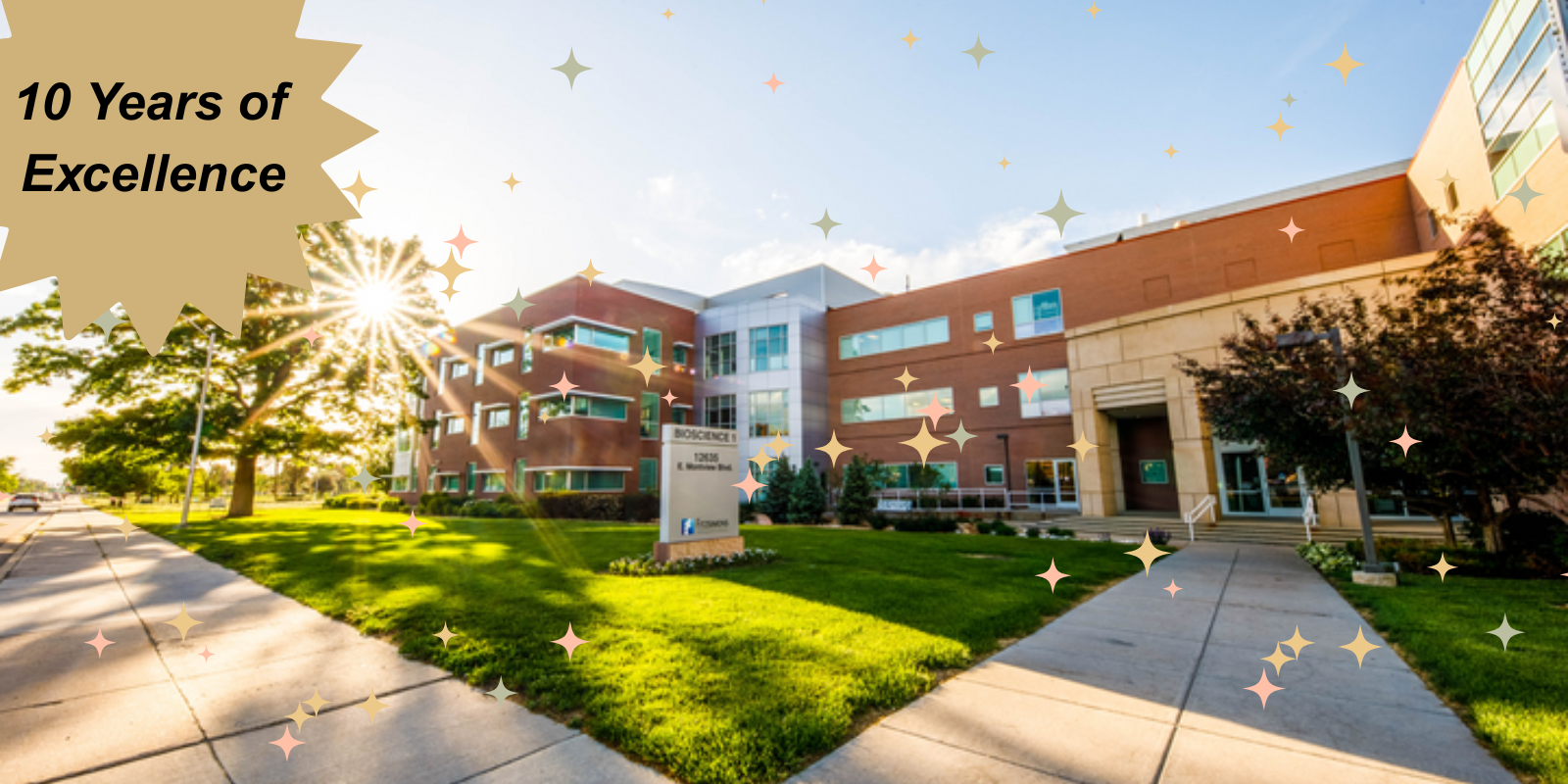
Gates Biomanufacturing Facility Marks 10 Years of Discovery and Innovation
The Gates Biomanufacturing Facility celebrated a decade of helping scientists turn their ideas into real products for clinical trials, including cell therapies, gene therapies, and biologic drugs. Over its first 10 years, GBF has produced dozens of complex clinical grade products and become a key partner for investigators on campus and beyond.
Leaders and staff reflected on how the facility grew from a small, ambitious team into a full service, FDA compliant manufacturing center. With its unique combination of biologics and cell therapy capabilities under one roof, GBF plays a central role in bringing cutting edge treatments to patients faster.
.png?width=600&height=300&name=Bertina%20(2).png)
Tribute: Bertina Minjares
A special tribute honored the legacy of Bertina Minjares, whose leadership and mentorship helped lay the foundation for GBF’s culture and quality standards. Colleagues remembered her as a steady, patient focused presence who guided teams through the challenges of building a high stake, clinical grade manufacturing operation.
Her influence is still felt in the facility’s strong training, teamwork, and commitment to doing things the right way for patients. As GBF marks 10 years, the tribute highlighted how much of its success rests on the groundwork she helped establish.
Sujatha Venkataraman, PhD, Receives Funding for Pediatric Brain Cancer Research
Sujatha Venkataraman, PhD, received a major grant to tackle diffuse intrinsic pontine glioma (DIPG), a universally fatal brain cancer in children that currently has no cure. Her team is developing “gated” CAR T cells, engineered immune cells that can better distinguish cancer cells from healthy brain tissue, so they can attack tumors more precisely and safely.
The project brings together experts in immunotherapy, pediatric oncology, and advanced manufacturing at CU Anschutz and Seattle Children’s. With GBF supporting the complex manufacturing steps, the long-term goal is to launch a clinical trial that offers children with DIPG a more targeted and hopeful treatment option.
Alzheimer’s Vaccine Manufactured at GBF Heads to Clinical Trials
Scientists at the Gates Biomanufacturing Facility (GBF) helped create a new vaccine that aims to prevent or slow Alzheimer’s disease by training the immune system to attack two main troublemaking proteins in the brain. One part of the vaccine targets sticky beta amyloid “plaques,” and the other targets abnormal tau proteins, both of which are linked to memory loss and brain cell damage.
Because each protein behaved differently during production, the team spent years finetuning how the vaccine is made so it stays stable, safe, and effective when produced at larger, FDA grade scale. Early studies in the lab and in animals show that the approach is safe and triggers a strong immune response, paving the way for first in human clinical trials.
.png)
-1.png)